
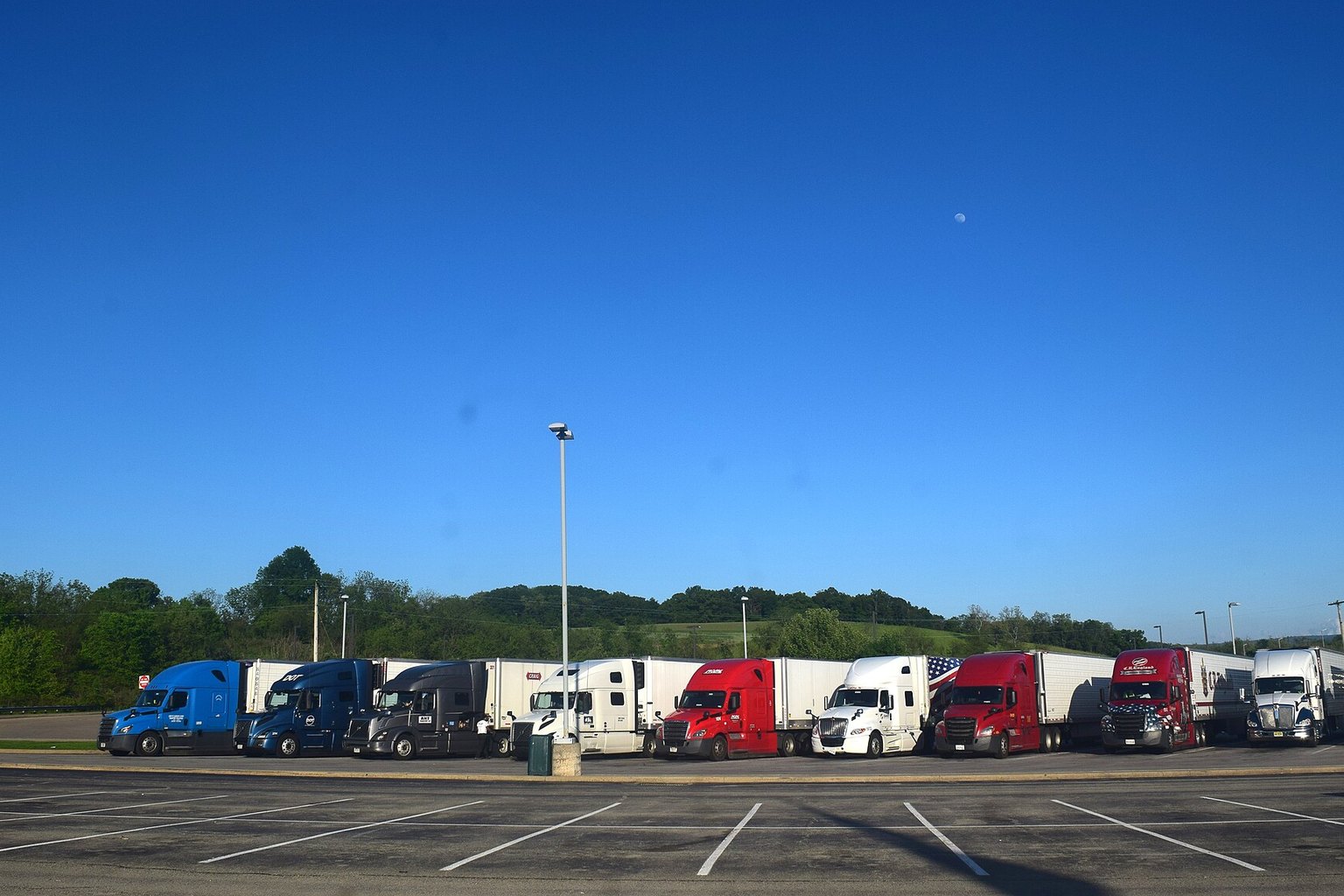
A broker with no equipment and no port plan looks like a bargain — until a chassis shortage, a missed terminal appointment, or a bonded-compliance slip turns the cheap quote into a demurrage bill.
The quote is the smallest part of the cost
When you're moving import freight through the Ports of Seattle and Tacoma, the drayage rate on the quote is almost never where the money actually goes. The rate is a known, fixed number. The costs that hurt are the ones that show up later and aren't on any quote: demurrage when a box misses its Last Free Day, per-diem when a container or chassis goes back late, terminal exam and reposition fees, and the plain lost revenue when parts aren't on the shelf because they're stuck at a terminal.
A broker with no equipment can absolutely give you the lowest number on the page. What they can't give you is control over any of the expensive stuff downstream. That's the trade being made when 'cheapest' wins, and at the port it's a bad trade more often than not.
Where the non-asset model breaks
Picture a broker who doesn't own a single tractor or chassis. Your container is available at the terminal, and now the broker has to go source equipment on the spot market to move it. In a normal week, fine. In a chassis-short week — and the Pacific Northwest has them — there's no chassis to be found at your price, so the box waits. Every day it waits is a demurrage day the broker isn't paying; you are.
The same fragility shows up at every friction point. A tight terminal appointment window gets missed because the sourced trucker had another load. A hazmat container needs proper placarding and a driver endorsed to haul it, and the spot-market driver isn't. A customs-bonded move needs the right paperwork and the right handling, and a compliance slip there isn't a small fee — it's a fine plus a held container plus more demurrage. None of these are freak events. They're the predictable failure modes of not owning your equipment and not staffing the account.
What owning the equipment actually buys you
Ad Hoc Logistics is asset-based — their own trucks, their own chassis — and that ownership is what converts the expensive unknowns back into controllable ones. When the container is available, Ad Hoc's equipment moves it; there's no spot-market gap for a chassis shortage to open up. When a terminal appointment is tight, it's Ad Hoc's driver making it, on Ad Hoc's schedule. When a load is hazmat or customs-bonded, it's handled inside a company that does that work as a standing service, not improvised through a subcontractor.
Layer on the dedicated account manager per client, available 24/7, and the last big variable — attention — gets controlled too. One person tracking every box's Last Free Day and every empty's per-diem clock is how demurrage and per-diem get prevented instead of explained after the fact. The asset base controls the equipment risk; the account manager controls the timing risk. Together they're why the slightly higher line-item quote is usually the lower total bill.
Quality-over-price, priced honestly
- Own trucks and chassis — no spot-market scramble when equipment is tight, so containers move on their available date.
- A dedicated account manager who tracks every Last Free Day and per-diem clock, closing the timing gaps that generate charges.
- HAZMAT capability in-house — proper placarding, endorsed drivers, correct handling, not a subcontracted guess.
- Customs-bonded services handled as a standing competency, so a compliance slip doesn't turn into fines and held freight.
- Integrated one-team handoff from terminal to final delivery, instead of a chain of vendors pointing at each other.
The math a fleet buyer already understands
Anyone who runs a fleet knows this instinct cold: the cheapest tire, the cheapest brake shoe, the cheapest part is rarely the cheapest to own once you count downtime and replacement. Port logistics runs on the exact same logic. The cheapest carrier is the one most likely to hand you a demurrage invoice, a per-diem invoice, and a stockout all in the same month.
It's the same reason PartStop stocks premium-quality aftermarket direct replacement parts rather than the absolute cheapest thing on the market — total cost and reliability beat the sticker price. Choosing an asset-based, account-managed carrier for the containers those parts arrive in is that principle applied one link further up the chain.
Work with our partners
Compare the total cost, not just the line item — Ad Hoc's asset-based fleet and dedicated account manager are built to keep demurrage, per-diem, and compliance surprises off your invoice.
Get a Quote from Ad Hoc LogisticsShop related parts
Premium-quality aftermarket direct replacements — nationwide same-day shipping, 6+ month warranty.
Need the part, not just the reading?
Every part below is a Premium Quality aftermarket Direct Replacement with published OEM cross-reference numbers, a 6+ month warranty and same-business-day shipping from Tacoma, WA. Not sure it fits? Run your VIN — or call and a person who knows trucks will verify fitment before you pay.