
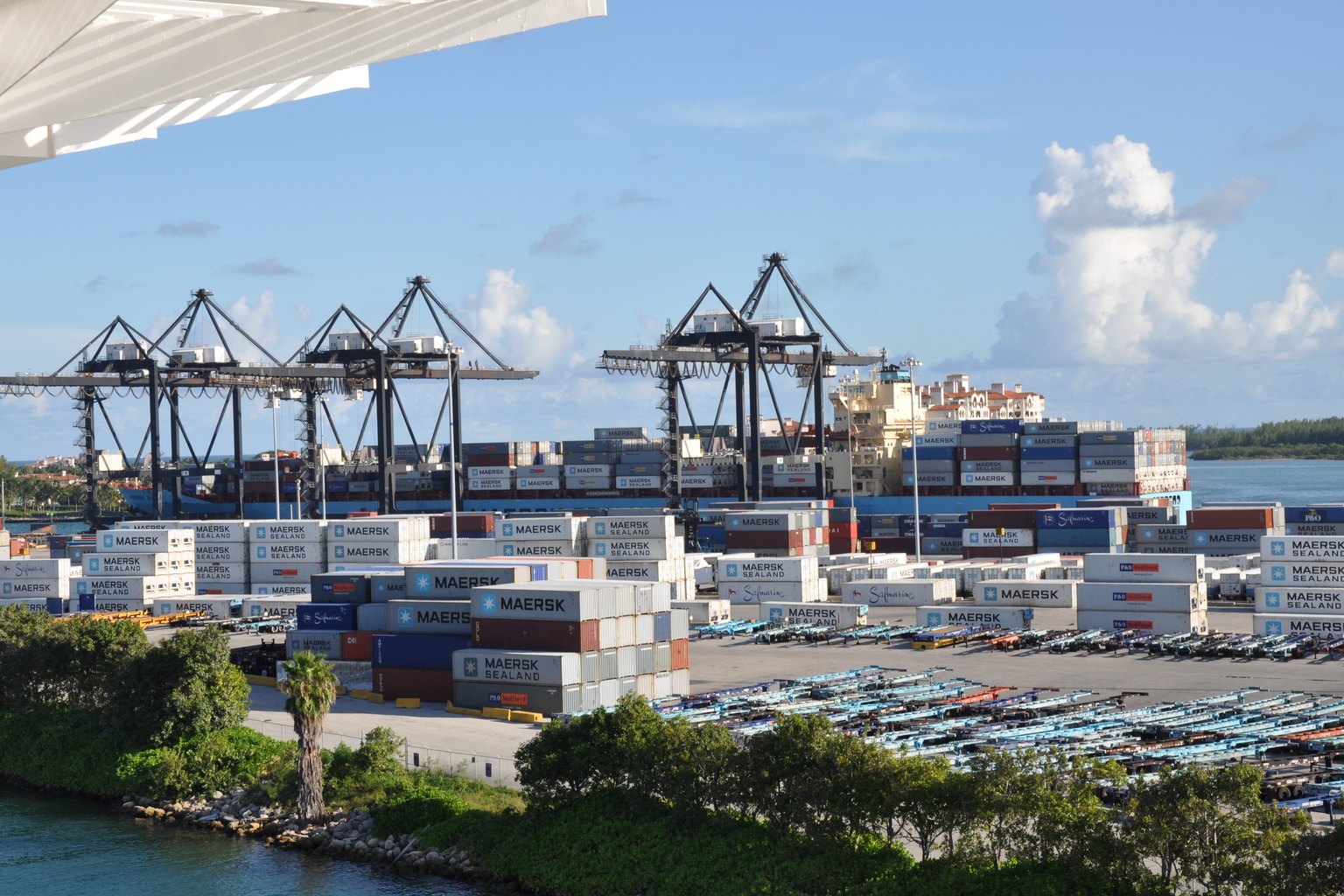
Every import container has a clock ticking on it the moment it's discharged. Here's how Ad Hoc's asset-based port drayage keeps PartStop's parts moving before demurrage and per-diem bite.
The clock nobody warns you about
A shipping container full of heavy-duty truck parts doesn't just sit at the Port of Tacoma waiting for you to get around to it. The moment it's discharged off the vessel and available for pickup, a countdown starts. Terminals give you a handful of days of free time — the Last Free Day — and once you cross it, the demurrage charges begin accruing per container, per day, whether you noticed or not. Miss it on a stack of boxes and the number gets ugly fast.
PartStop imports a real volume of aftermarket parts through the Seattle and Tacoma gateways. Filters, air dryers, brake components, suspension pieces — a lot of it comes across the Pacific in ocean containers. If those boxes stall at the terminal, two things happen at once: the parts aren't on the shelf when a fleet customer needs them, and the demurrage clock is quietly eating margin. The difference between a smooth import and an expensive one usually comes down to who's watching that clock, and whether they have the equipment to act on it.
Why 'asset-based' is the whole game at the port
Here's the trap a lot of importers fall into. They hire a broker who quotes a cheap drayage rate, and the broker doesn't actually own any trucks or chassis — they're just going to find someone who does, when the time comes. That works fine right up until the Pacific Northwest hits a chassis shortage, which it does, seasonally and predictably. Suddenly there's no chassis to mount the container on, the box can't move, and the Last Free Day sails past while everyone's on the phone hunting equipment.
Ad Hoc Logistics runs an asset-based model, and at the port that's not a marketing word — it's the reason boxes actually move. They own their trucks and they own their chassis. When a PartStop container hits its available date, there's a tractor and a chassis that belong to Ad Hoc ready to go get it, not a request thrown into a spot market and a prayer. No chassis hunt, no 'we'll get to it,' no watching a per-diem chassis clock run because someone else's equipment went missing. The container comes off the terminal on Ad Hoc's own gear.
One account manager who actually knows your boxes
Ad Hoc assigns a dedicated account manager to each client, available around the clock, and for port work that structure matters more than it sounds. Terminals shift appointment windows. Vessels arrive late. A box that was supposed to be available Tuesday shows up Thursday. When there's one person who knows every container number in your import pipeline, tracks each one's Last Free Day, and can make a terminal appointment the instant a box is available, the demurrage exposure drops dramatically.
Instead of a generic dispatch line where you re-explain your situation every call, PartStop-style importers get a single point of contact who already knows the containers, the parts inside them, and where each one is in the process. That's the operational difference between reacting to a demurrage invoice and preventing it.
What Ad Hoc handles once the box is off the terminal
- Local and long-haul container drayage from the Ports of Seattle, Tacoma, and Everett on their own trucks and chassis.
- Last Free Day tracking and demurrage prevention — watching the terminal clock so containers move before charges accrue.
- Per-diem management on empty containers and chassis, so equipment goes back on time instead of racking up daily fees.
- Container handling, repair, cleaning, and storage — the terminal-adjacent services that keep an import flow from clogging.
- Transloading straight from the container onto pallets, so parts move into the supply chain instead of sitting in a box.
- HAZMAT-capable and customs-bonded services for the loads that need proper handling and compliance.
Why this matters for PartStop customers
None of this port machinery is visible on the storefront. A fleet manager searching a part number and hitting 'add to cart' doesn't see the container that carried it, the chassis it rode on, or the Last Free Day that got beaten. What they see is that the part is in stock and ships quickly. That availability is downstream of drayage done right.
When Ad Hoc keeps PartStop's containers moving out of Seattle and Tacoma without demurrage drag or chassis-shortage delays, the parts land on the shelf sooner and the cost of getting them there stays predictable. Reliable inbound logistics is one of the quiet reasons a premium-quality aftermarket direct replacement is on the shelf and shippable the same week you need it.
Work with our partners
If you're importing through Seattle or Tacoma, Ad Hoc's asset-based drayage and Last Free Day tracking can keep your containers moving before demurrage ever hits.
Get a Quote from Ad Hoc LogisticsShop related parts
Premium-quality aftermarket direct replacements — nationwide same-day shipping, 6+ month warranty.
Need the part, not just the reading?
Every part below is a Premium Quality aftermarket Direct Replacement with published OEM cross-reference numbers, a 6+ month warranty and same-business-day shipping from Tacoma, WA. Not sure it fits? Run your VIN — or call and a person who knows trucks will verify fitment before you pay.