
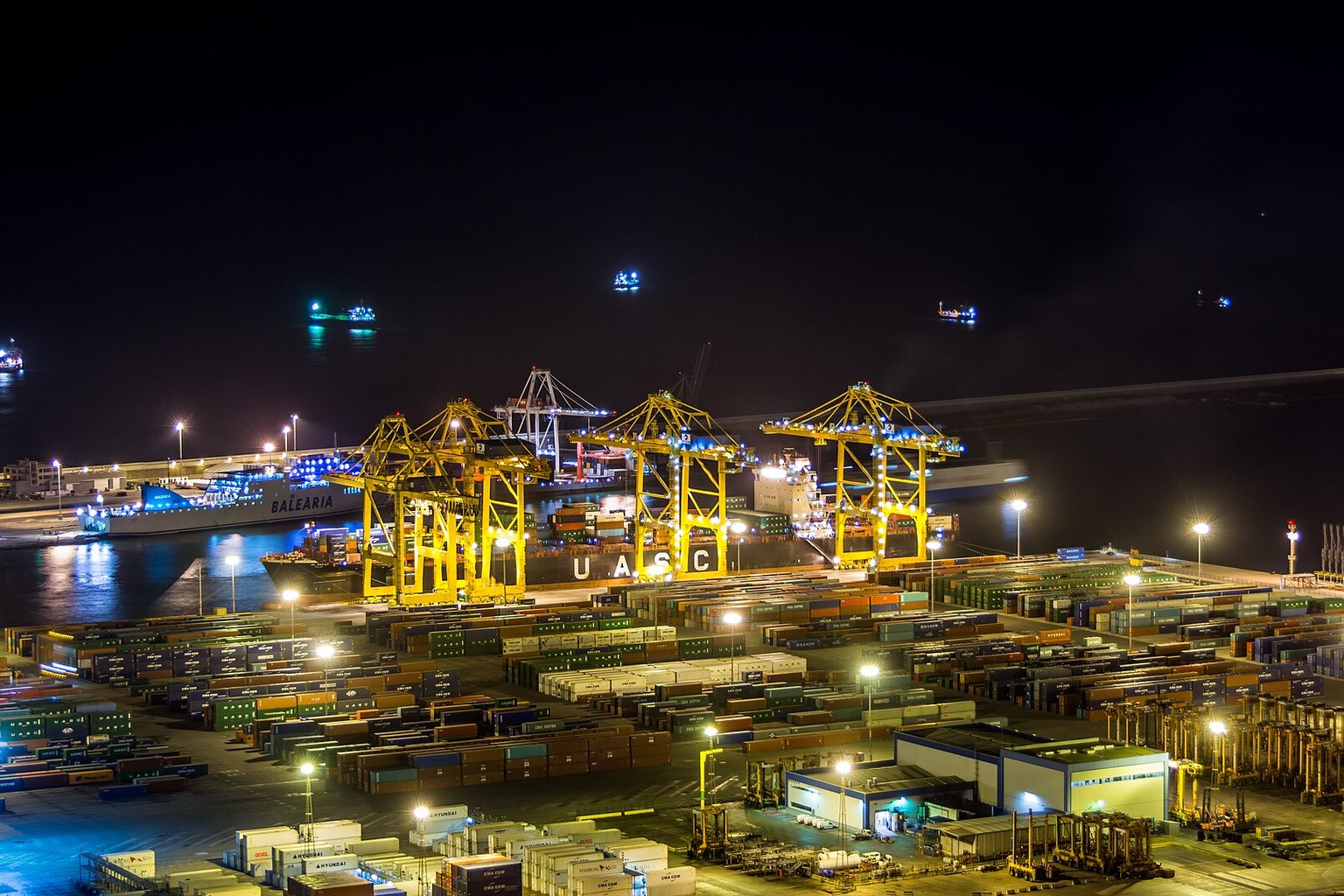
In semi-truck-parts sales, a part you cannot ship is a part you cannot sell. The freight forwarder moving your import containers quietly controls your shelf, your stock, and your revenue.
A container sitting at the port is a sale you already lost
Picture a customer with a truck down in a repair bay. They need a specific water pump or a set of brake shoes, and they need them this week, not next month. If your listing says in stock, you make the sale. If it says backordered, they buy from the next seller who had the part on a shelf. That is the entire game in aftermarket heavy-duty parts, and most sellers never connect it back to the one link in the chain that quietly decides it: the freight forwarder moving product from the factory overseas to a warehouse in the United States.
PartStop imports its parts. That is not a weakness, it is how the aftermarket works, but it means every SKU we sell has to survive an ocean crossing, a customs entry, and a final truck ride to Tacoma before a single dollar of it can be earned. When that journey is smooth, the shelf stays full and the listings stay live. When it stalls, the shelf empties in slow motion, and by the time the container clears, the demand has already walked to a competitor. The freight forwarder is the difference between those two outcomes far more often than most sellers realize.
Speed is not about the boat, it is about everything around the boat
People assume ocean transit time is fixed, and to a point it is. What is not fixed is everything that bookends the sailing. Getting the cargo booked and loaded at origin on time, having the paperwork correct before the vessel even leaves, and being ready to clear customs the moment it lands, those are the levers a strong forwarder actually pulls. A week saved at origin because the booking was handled cleanly, and another week saved on the back end because the entry was filed right the first time, adds up to parts hitting the shelf while the demand is still there.
This is where a forwarder built for importers earns its keep. Platton books carriers at origin, manages the ocean leg, and lines up drayage and last-mile delivery so the container does not lose days idling at each handoff. One team owning the full move means the parts are not waiting for someone to notice they arrived. For a parts seller, that compression at both ends is the difference between restocking a hot SKU in three weeks versus five, and three weeks of in-stock listings sells a lot more brake kits than five weeks of out-of-stock ones.
Customs clearance is where inventory goes to die
Ask any importer where their worst delays came from and customs will be near the top of the list. A misclassified line, a missing document, an entry that trips an exam, any of these can strand a container for days or weeks while the product sits untouched inside the port. And here is the cruel part: the cargo is physically in the country, close enough to touch, and you still cannot sell it. Every day of a customs hold is a day your listing says backordered while the inventory sits a few miles away behind a chain-link fence.
Smooth customs clearance is not luck. It comes from a forwarder who prepares the entry correctly, knows the commodity, and communicates with the broker so problems get caught before they become holds. Platton handles customs clearance as part of the same managed move, which means the people who booked the freight are the same people making sure it clears cleanly, not a stranger you have to chase. For a heavy-duty parts business that lives on availability, avoiding a single two-week exam hold on a container of fast-moving SKUs can protect an entire month of sales.
The part nobody talks about: a human who actually answers
Rate quotes are easy to get. What is hard to get, when a container is stuck and you have customers waiting, is a real person who picks up the phone, knows your shipment, and tells you the truth about what is happening. Most sellers only discover the difference between a cheap forwarder and a good one on the day something goes wrong, and on that day the cheap quote suddenly costs a fortune in lost sales and silence.
A single point of contact from booking through delivery is not a luxury feature, it is what lets a parts seller plan. When you know your container is three days from the warehouse because someone told you, you can time your listings, warn your B2B accounts, and prep your team. Platton is built around exactly this: one team managing every leg, a multilingual staff that can talk to origin partners in their own language, and an online portal for real-time tracking so you are never guessing where your parts are. In a business where being in stock at the right moment is the whole margin, that visibility is not a nice-to-have, it is inventory strategy.
What a parts seller should actually demand from a forwarder
- Ownership of the full move, from carrier booking at origin through customs clearance, drayage, and last-mile delivery to your warehouse, so no leg becomes an orphan nobody is watching.
- A single, named point of contact who knows your shipments by name instead of a ticket queue that resets every time you call.
- Proactive customs handling that catches classification and documentation problems before they become exam holds that strand your inventory.
- Real-time tracking you can actually see, so you can time listings and restocks around real arrival dates instead of hopeful guesses.
- A partner who understands that for an importer, transit time and clearance speed translate directly into shelf availability and revenue, not just a line on an invoice.
Work with our partners
If you import parts or product, Platton manages the full move so your shelf stays stocked and your listings stay live.
Get a Freight Quote from PlattonShop related parts
Premium-quality aftermarket direct replacements — nationwide same-day shipping, 6+ month warranty.
Need the part, not just the reading?
Every part below is a Premium Quality aftermarket Direct Replacement with published OEM cross-reference numbers, a 6+ month warranty and same-business-day shipping from Tacoma, WA. Not sure it fits? Run your VIN — or call and a person who knows trucks will verify fitment before you pay.