
Juggling marketplaces by hand is how oversells and late shipments happen. Here is how one integrated 3PL lets PartStop sell across Amazon, Walmart, Target, eBay and more.
The Multichannel Problem Nobody Warns You About
Adding a marketplace sounds like pure upside. More channels, more buyers, more revenue. Then reality arrives. Every channel wants its own labels, its own packing rules, its own shipping cutoffs, and its own inventory feed — and each one assumes it has your full stock to sell. Run three or four of them off a single pool of inventory by hand and you are one busy afternoon away from selling the same part twice and cancelling on a customer.
PartStop lists heavy-duty aftermarket parts across several marketplaces at the same time, and doing that manually would be a full-time firefight. The fix is not more spreadsheets or a bigger team babysitting dashboards. It is a single integrated 3PL that treats every channel as one continuous flow of orders drawing from one accurate pool of stock. Multichannel fulfillment done right means the seller stops thinking about channels at all and just thinks about orders.
Why One Integrated 3PL Beats Juggling Channels Manually
When your marketplaces are wired into a single warehouse, three problems solve themselves. Inventory stays synced because every channel draws from the same live count, so the last unit is committed everywhere the instant it sells. Fulfillment stays consistent because the same team picks, packs, and ships to each marketplace's spec, whether that is FBA prep for Amazon or a particular label for Walmart. And shipping speed holds up because one operation with same-day capability is handling the whole board instead of a person copying orders between portals at midnight.
The alternative — a different arrangement per channel, reconciled by hand — does not just cost labor. It costs the accuracy that marketplaces grade you on. Late shipments and cancellations quietly suppress your listings, and a suppressed listing earns nothing no matter how good the price is. Consolidating fulfillment under one 3PL is how you protect the seller metrics that decide whether your products are even visible.
The Marketplace Integrations Behind PartStop
Long Road Warehouse names a broad set of marketplace and retail integrations on its site, which is what makes running many channels from one warehouse practical rather than aspirational. The list is not a handful of the obvious ones — it spans the platforms a serious multichannel brand actually needs.
- Amazon — including FBA prep so inventory ships in to fulfillment centers correctly labeled.
- Walmart Marketplace.
- eBay.
- Etsy.
- Target.
- Home Depot.
- Lowe's.
- Costco.
- Fred Meyer.
- Shopify — for direct-to-consumer storefronts alongside the marketplaces.
What This Unlocks for PartStop
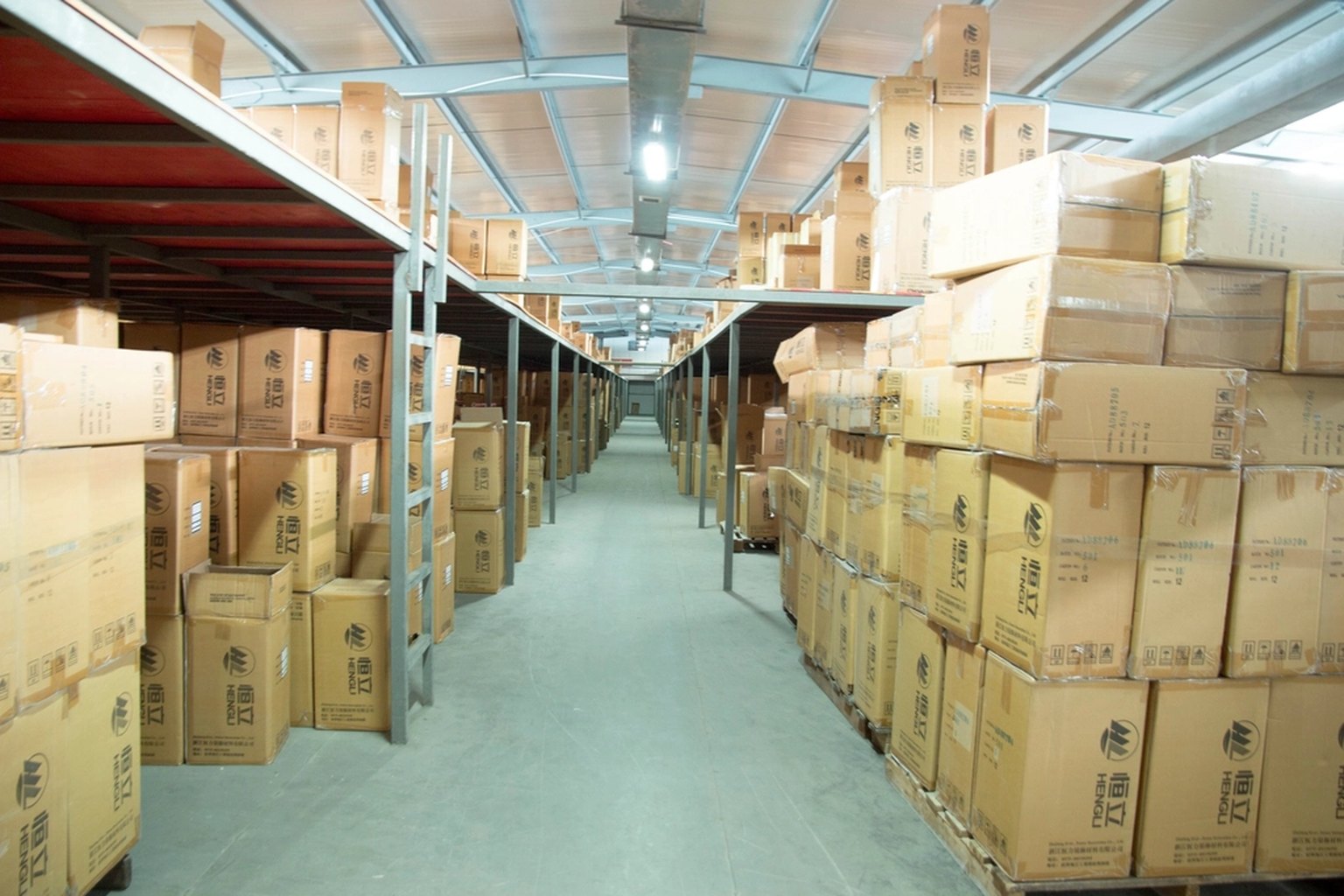
Because PartStop stores inventory and fulfills through Long Road Warehouse, one pool of stock feeds the PartStop storefront and every marketplace at once, all reading from the same live count. That is the practical reason PartStop can offer same-day shipping and appear across so many channels without the stock chaos that usually comes with it. The warehouse is the reason 'available everywhere' does not turn into 'oversold everywhere.'
For any brand weighing whether to add its next marketplace, the real question is not whether the channel is worth it — it usually is — but whether the fulfillment behind it can keep up. A 3PL with the integrations already built and the accuracy to back them turns a scary expansion into a feed connection. That is the difference between multichannel growth that compounds and multichannel growth that collapses under its own cancellations.
Work with our partners
Long Road Warehouse's marketplace integrations let you sell across Amazon, Walmart, Target, eBay and more from one synced pool of inventory.
Work with Long Road WarehouseShop related parts
Premium-quality aftermarket direct replacements — nationwide same-day shipping, 6+ month warranty.
Need the part, not just the reading?
Every part below is a Premium Quality aftermarket Direct Replacement with published OEM cross-reference numbers, a 6+ month warranty and same-business-day shipping from Tacoma, WA. Not sure it fits? Run your VIN — or call and a person who knows trucks will verify fitment before you pay.