
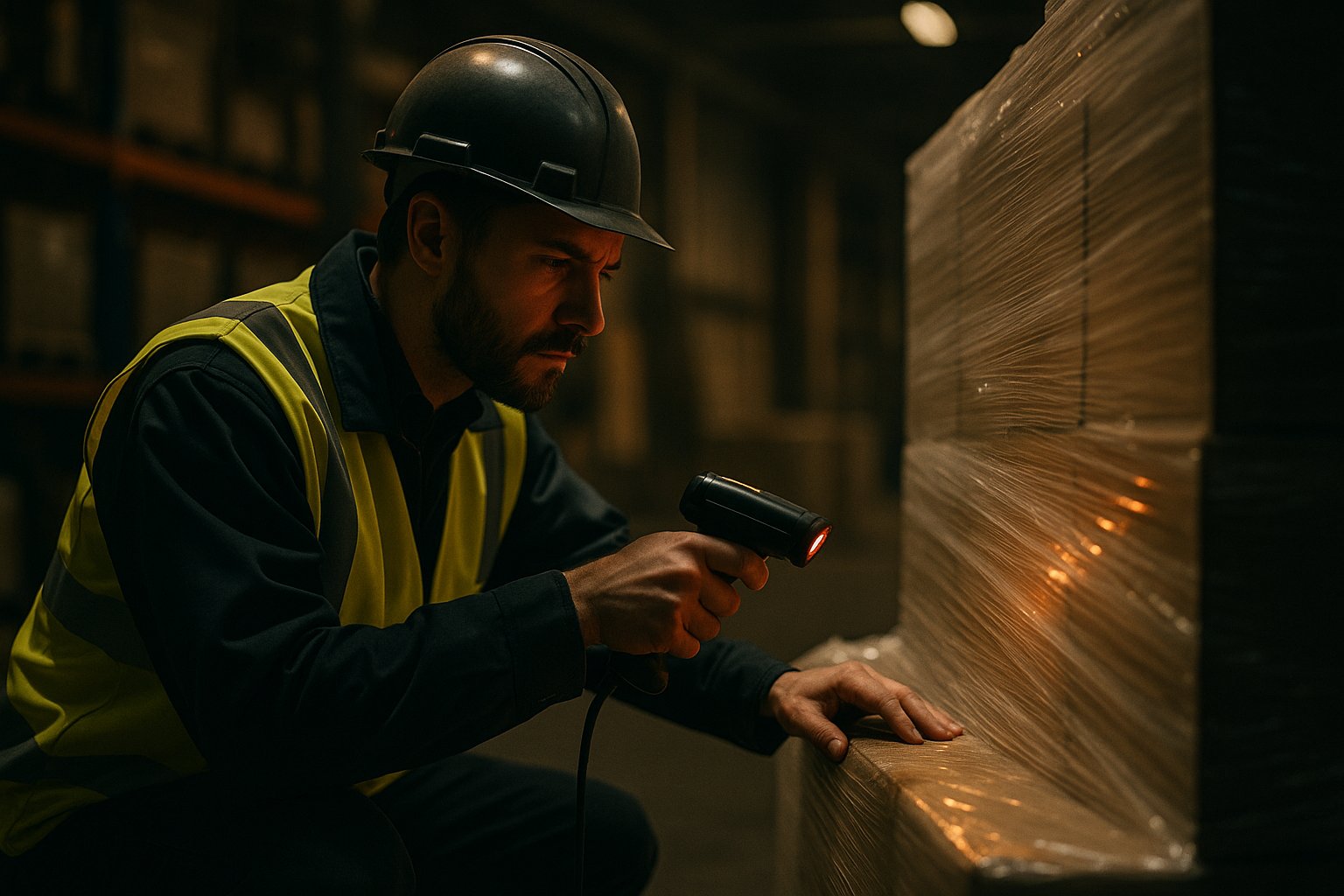
Lost boxes and damaged freight are not rare, they are routine. The difference between a shrug and a resolution is having a supply-chain partner who investigates, files the claim, and sees it through.
Exceptions are not the exception
Ship enough freight and the math catches up with you. A pallet gets misrouted. A carton arrives crushed. A shipment goes quiet at a transfer point and nobody can say exactly where it is. These are not freak events, they are the normal background noise of moving goods across oceans, ports, and highways at scale. Anyone who tells you their supply chain never has an exception is either very small or not telling you everything. The real question is not whether a shipment will occasionally go wrong, but what your partner does when it does.
This is the part of logistics that never makes the sales brochure and matters more than almost anything on it. Rates and transit times are what you compare when everything is fine. Exception handling is what you actually live with when it is not, and for an importer of heavy-duty parts, a lost or damaged shipment is not an abstraction. It is inventory you paid for that is now missing or unsellable, and a hole in your shelf until it is replaced.
Visibility is the first thing that saves you
You cannot fix what you cannot see. When a shipment goes missing, the first and most valuable thing a good partner gives you is a clear picture of where the trail went cold, which leg it happened on, and who was holding the freight at the time. Without that visibility, a lost shipment becomes a guessing game where everyone points at everyone else and nothing gets resolved. With it, you have the beginning of an actual investigation instead of a mystery.
This is why end-to-end tracking is not just a convenience feature for watching your cargo on a good day, it is the evidence trail on a bad one. A forwarder who owns and can see every leg of the move, from origin booking through customs, drayage, and last-mile, can pinpoint where the problem happened because they were watching the whole way. Platton's real-time tracking and online portal exist for exactly this reason: when something goes wrong, you are not starting from zero, you are starting from a record of where your shipment actually was.
Accountability across the whole chain, not finger-pointing
The nightmare version of a lost shipment is the one where you have five different vendors for five different legs and every one of them insists the problem happened on someone else's watch. The ocean carrier blames the port. The port blames the trucker. The trucker blames the warehouse. You, the importer, are left holding the loss and the phone, chasing people who have no incentive to own the problem. Fragmented supply chains are where accountability goes to die.
The alternative is a single partner who owns the full move and therefore owns the outcome. When one team manages every leg with a single point of contact, there is no seam for the problem to fall through and nobody to pass the blame to. That structure is the whole point of a managed, end-to-end forwarder like Platton: one relationship accountable for the shipment from booking to delivery, which means when something breaks, you have one number to call and one team responsible for making it right, instead of a committee of vendors avoiding each other's eyes.
Filing the claim and actually closing it out
When freight is lost or damaged, there is usually a claim to file, and claims are their own small ordeal. There is documentation to gather, deadlines that are easy to miss, evidence of the damage or the value to assemble, and a process to navigate that most parts sellers were never trained to handle. Left to do it alone, a busy importer often lets a valid claim lapse simply because chasing it fell to the bottom of the list, and that is money and inventory quietly written off for no good reason.
A real supply-chain partner does not just hand you a claim form and wish you luck. They help investigate what happened, help assemble the documentation, and help move the claim toward an actual resolution instead of leaving it to rot. Platton's model of managing the full move with a single point of contact is built for exactly this kind of end-to-end problem resolution, where the same team that moved the freight helps you close the case when the move goes wrong. For a business where every missing shipment is a hole in the shelf, having someone in your corner through the whole claims process is not a nicety, it is how you get made whole.
What real exception handling looks like
- End-to-end visibility so a problem can be located instead of guessed at, backed by real-time tracking across every leg.
- Single-point accountability, so no vendor can pass the blame down the chain while your loss sits unresolved.
- Active investigation when a shipment is lost or damaged, using the record of where the freight actually traveled.
- Hands-on help filing and pursuing claims, including documentation and deadlines, so valid claims do not quietly lapse.
- A team that treats resolution as part of the service, not an afterthought once the invoice is paid.
Why a parts seller cannot afford a passive partner
For a heavy-duty parts business, a lost or damaged inbound shipment is not a paperwork problem, it is a stockout waiting to happen and a customer promise at risk. Every unit that goes missing or arrives broken is a listing that goes dark and a sale that migrates to a competitor. That makes exception handling a direct input to revenue, not a back-office chore, and it makes a passive freight partner a genuine liability the day something goes wrong.
The right supply-chain partner turns those bad days from disasters into managed incidents. Visibility to find the problem, accountability to own it, and real help to resolve it and recover the loss, that combination is what lets a parts business keep its shelves stocked and its promises kept even when the chain hiccups. Platton is built around managing the entire move with one accountable team, which is precisely the kind of partner you want standing beside you on the day a shipment does not show up where it should.
Work with our partners
When a shipment goes sideways, Platton's single accountable team helps investigate, file, and resolve it end to end.
Get a Freight Quote from PlattonShop related parts
Premium-quality aftermarket direct replacements — nationwide same-day shipping, 6+ month warranty.
Need the part, not just the reading?
Every part below is a Premium Quality aftermarket Direct Replacement with published OEM cross-reference numbers, a 6+ month warranty and same-business-day shipping from Tacoma, WA. Not sure it fits? Run your VIN — or call and a person who knows trucks will verify fitment before you pay.