
Trust the restriction gauge, not the calendar
An air filter's job gets better as it loads — trapped dust catches more dust — right up until restriction starts starving the engine. That's why the filter minder (restriction indicator) on the intake is the only honest change signal: most engines call for replacement around 20–25 inches of water restriction. Locked at green after a year? Leave it alone. Red-flagged in four months of gravel work? It's done, whatever the calendar says.
Symptoms of a choked filter mirror fuel problems: sluggish boost, black smoke under load, worse fuel economy. The difference is the gauge on the housing tells you instantly which one it is.
Buying the right element
Air filters match by housing, not by engine — the same ISX can wear different filters in different chassis. The number off the old element's end cap is the ground truth, and our listings cross-reference the common Fleetguard, Donaldson and Baldwin numbers so whatever the last shop installed maps across. Measure outer diameter, inner diameter and length if the label's gone.
Check the sealing surfaces when the new element goes in: the radial or axial gasket has to seat on clean, undamaged metal. A dented housing lip leaks dirty air around the best filter made.
The one rule: never run open, never blow it out
Two habits kill turbos. Running the intake open "just to move the truck" — thirty seconds of unfiltered air feeds the compressor wheel grit at 100,000 RPM. And blowing elements out with shop air to reuse them — the pressure ruptures the paper invisibly, and everything the filter caught for a year goes downstream the next week. Elements are consumables; the turbo is not.
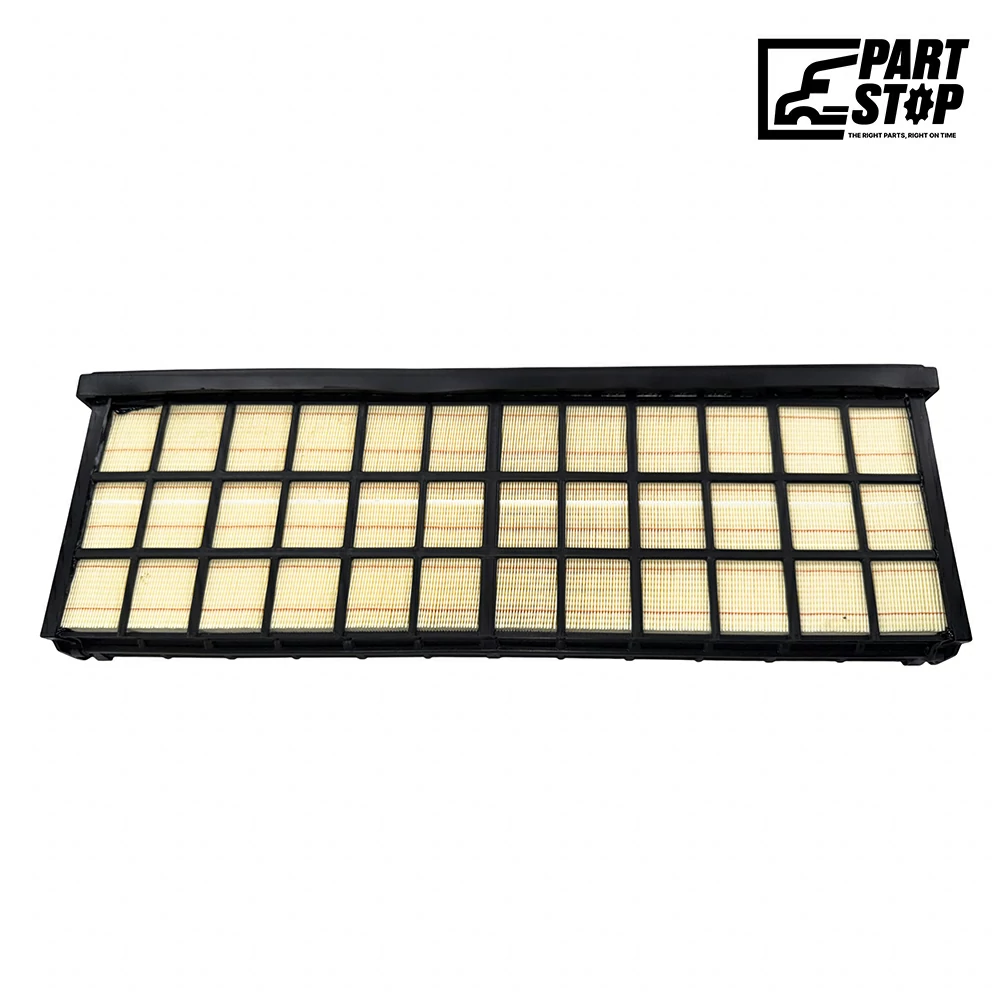
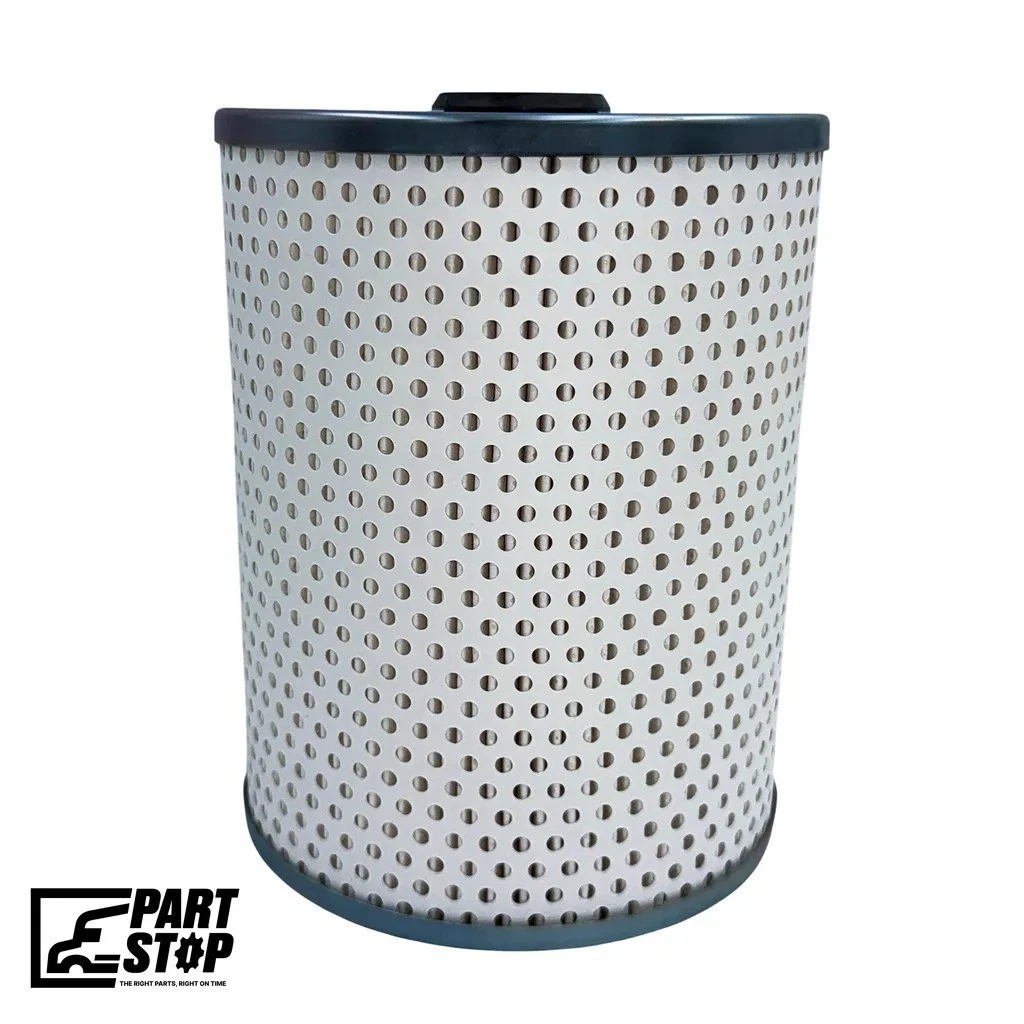
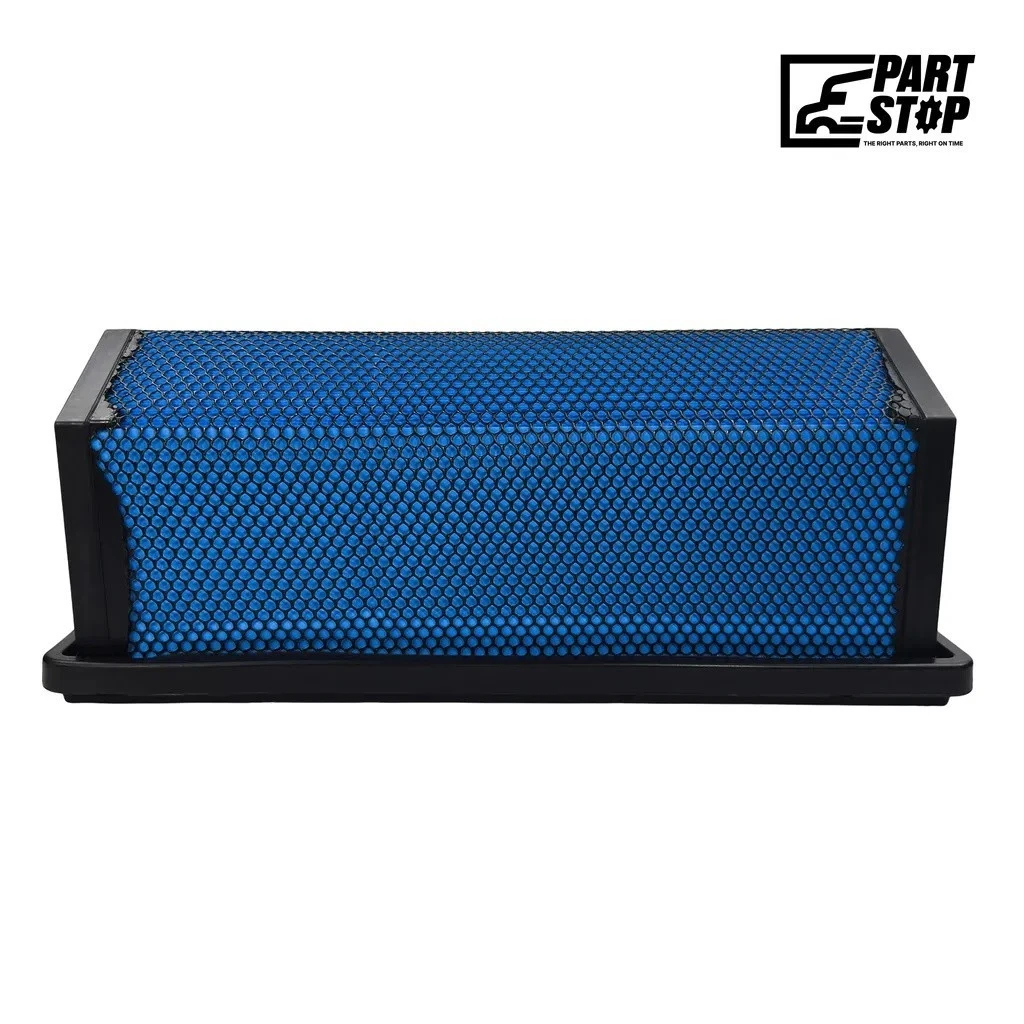
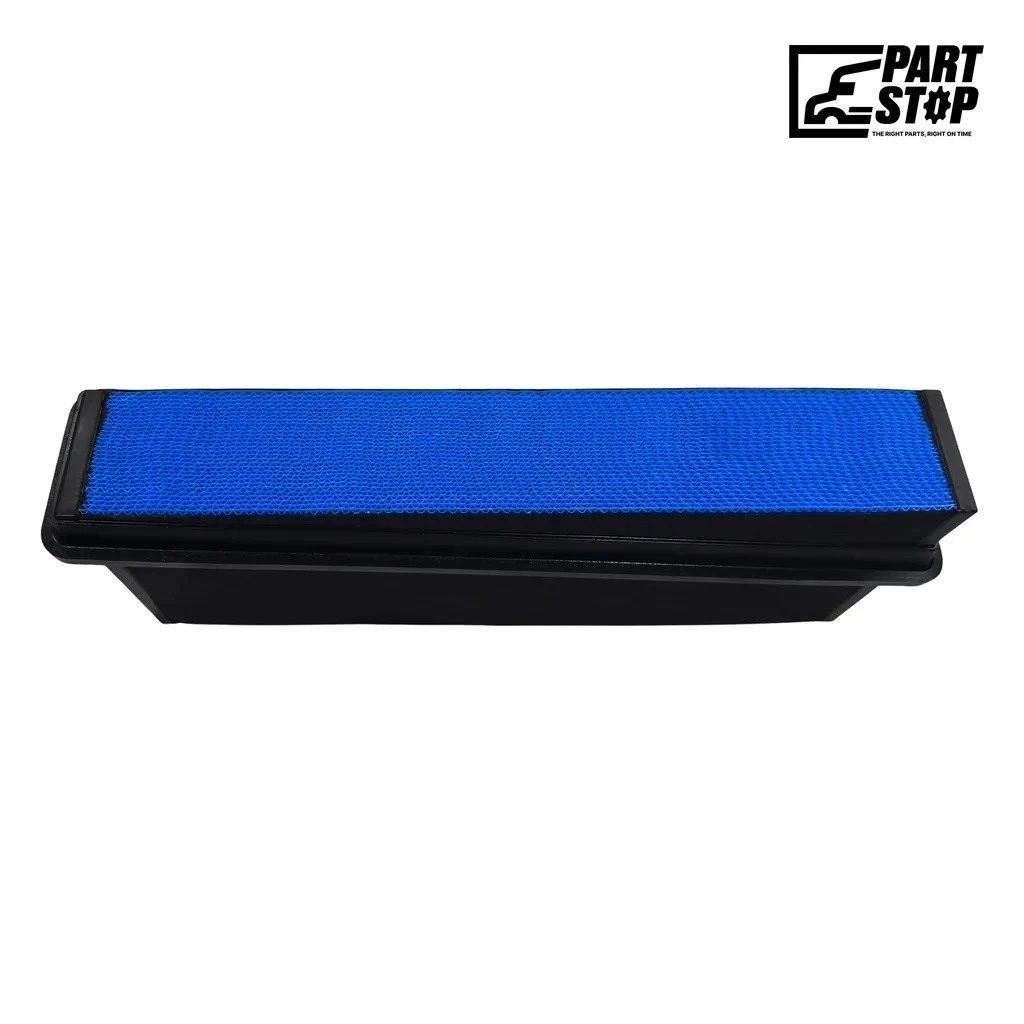
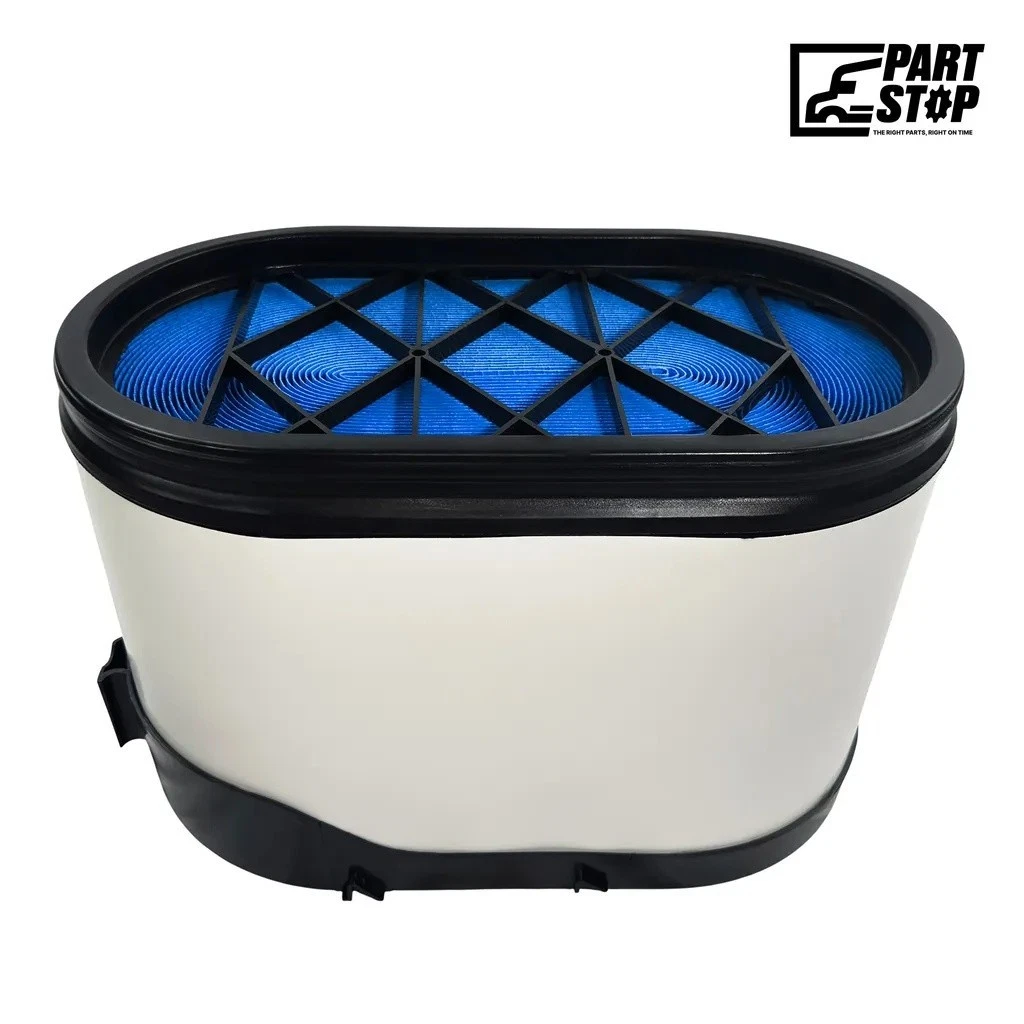
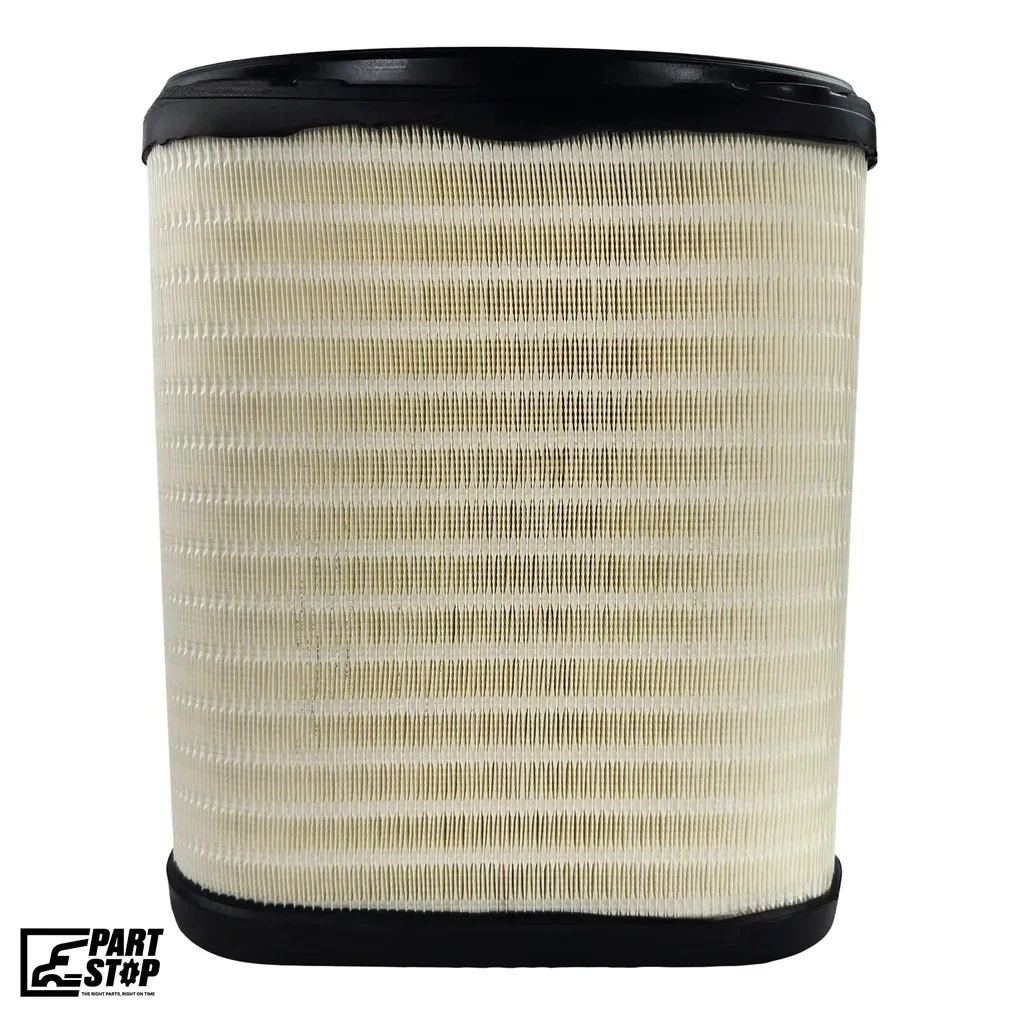
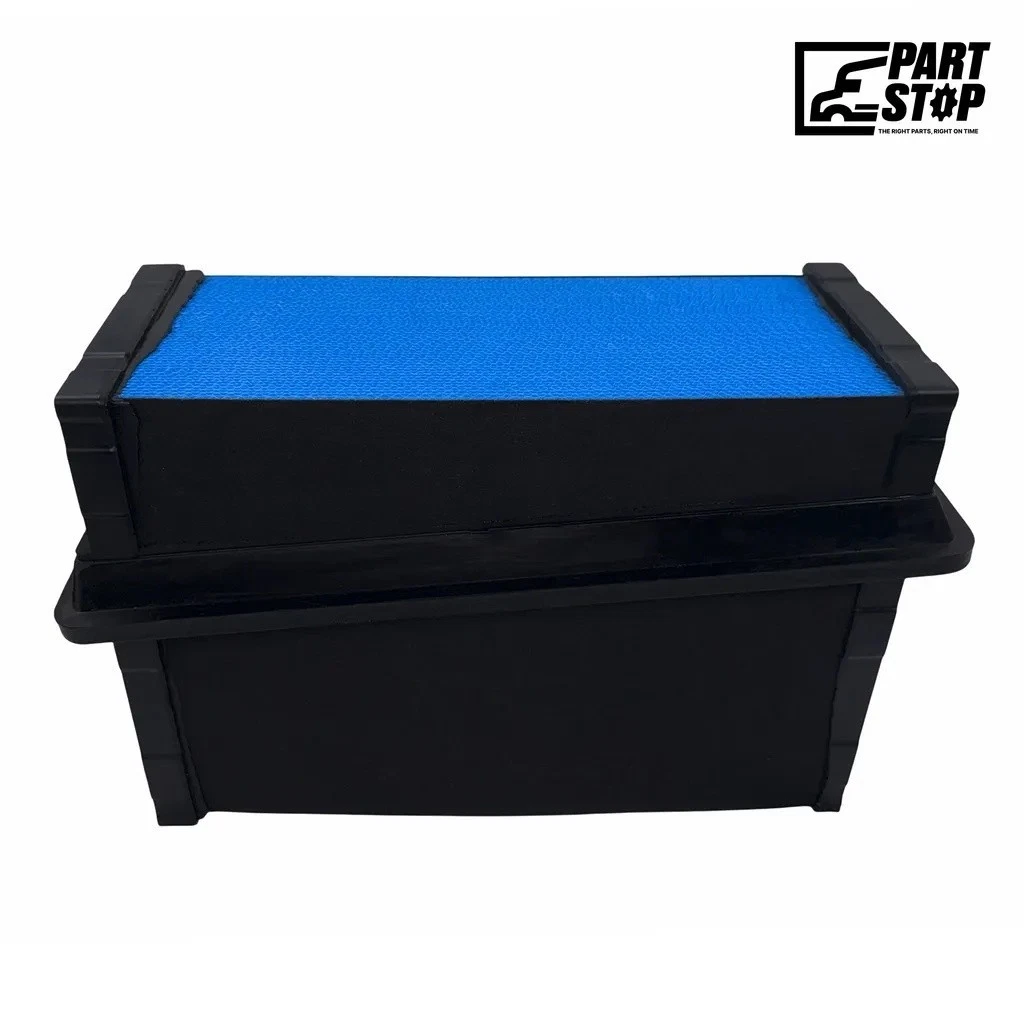
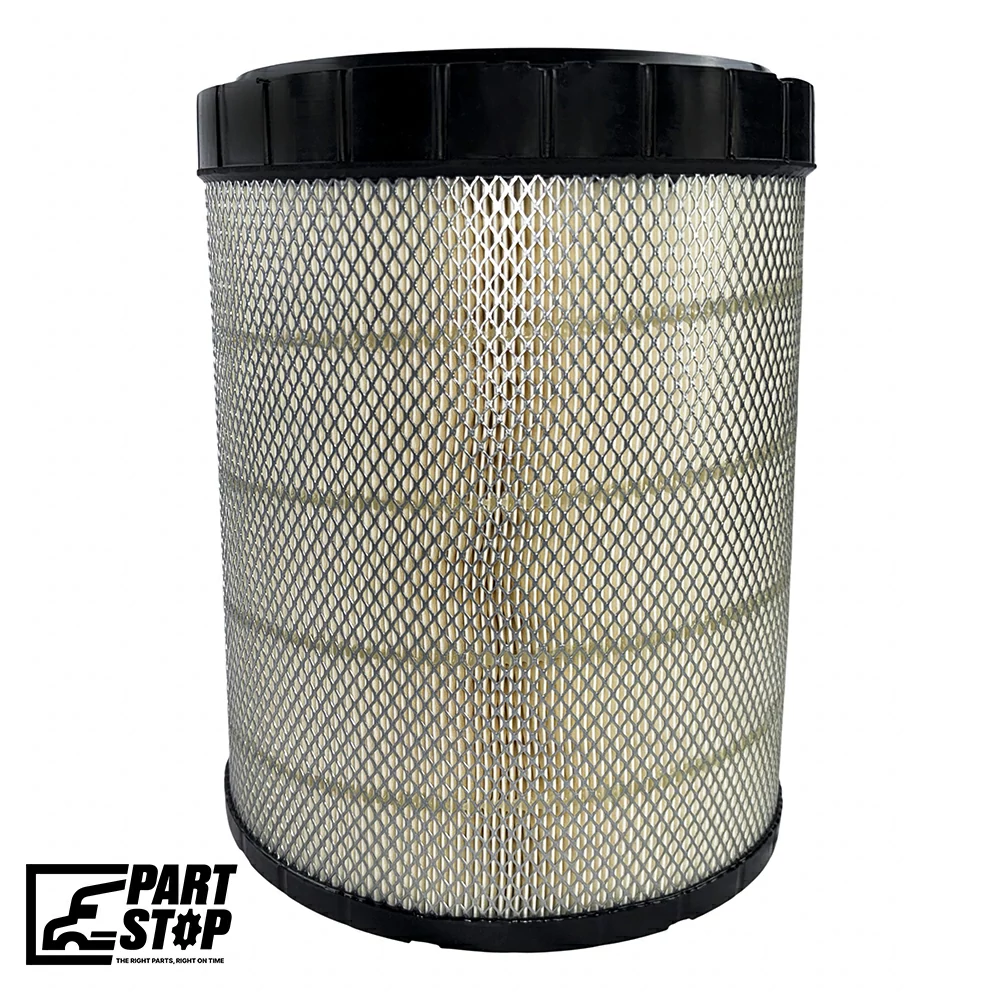
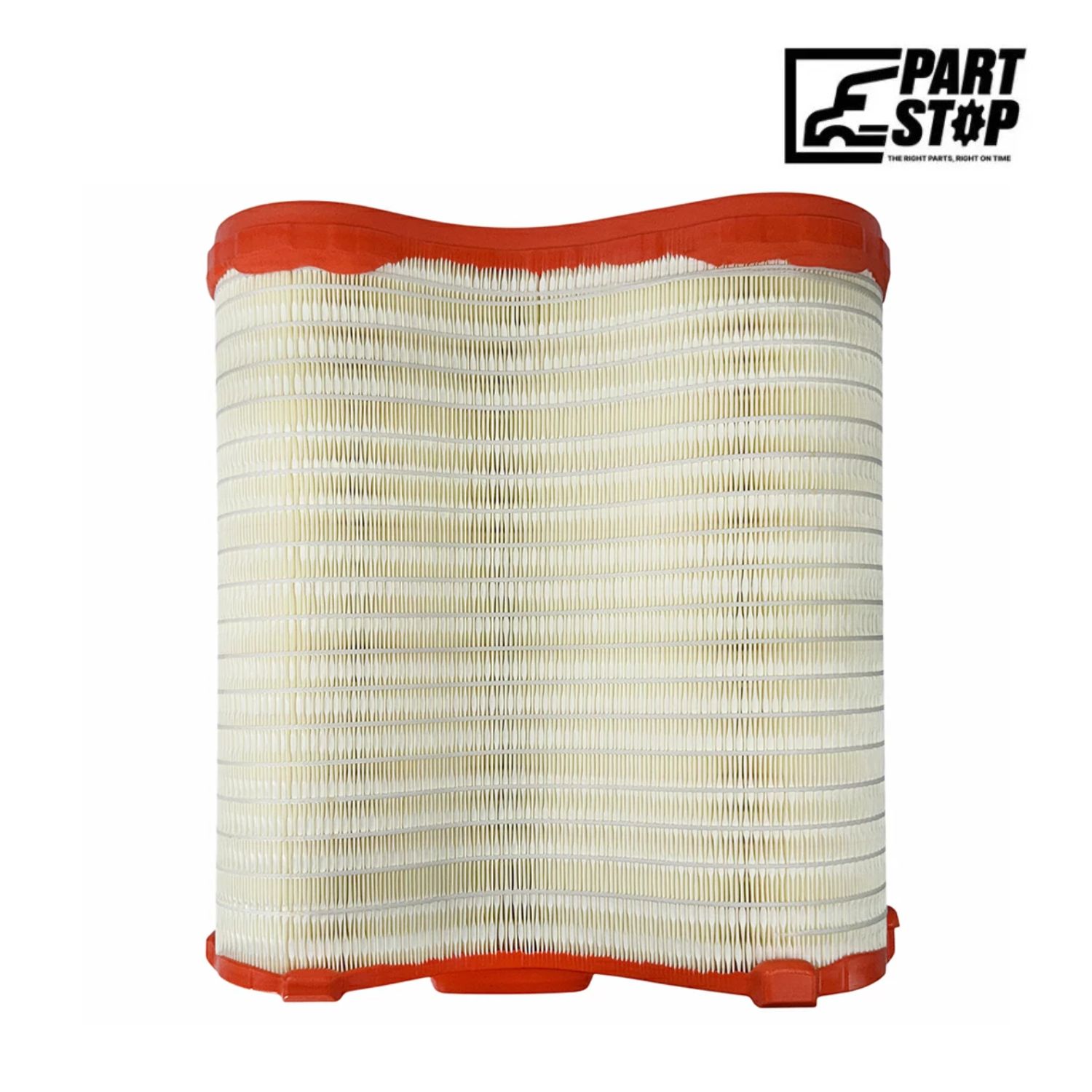
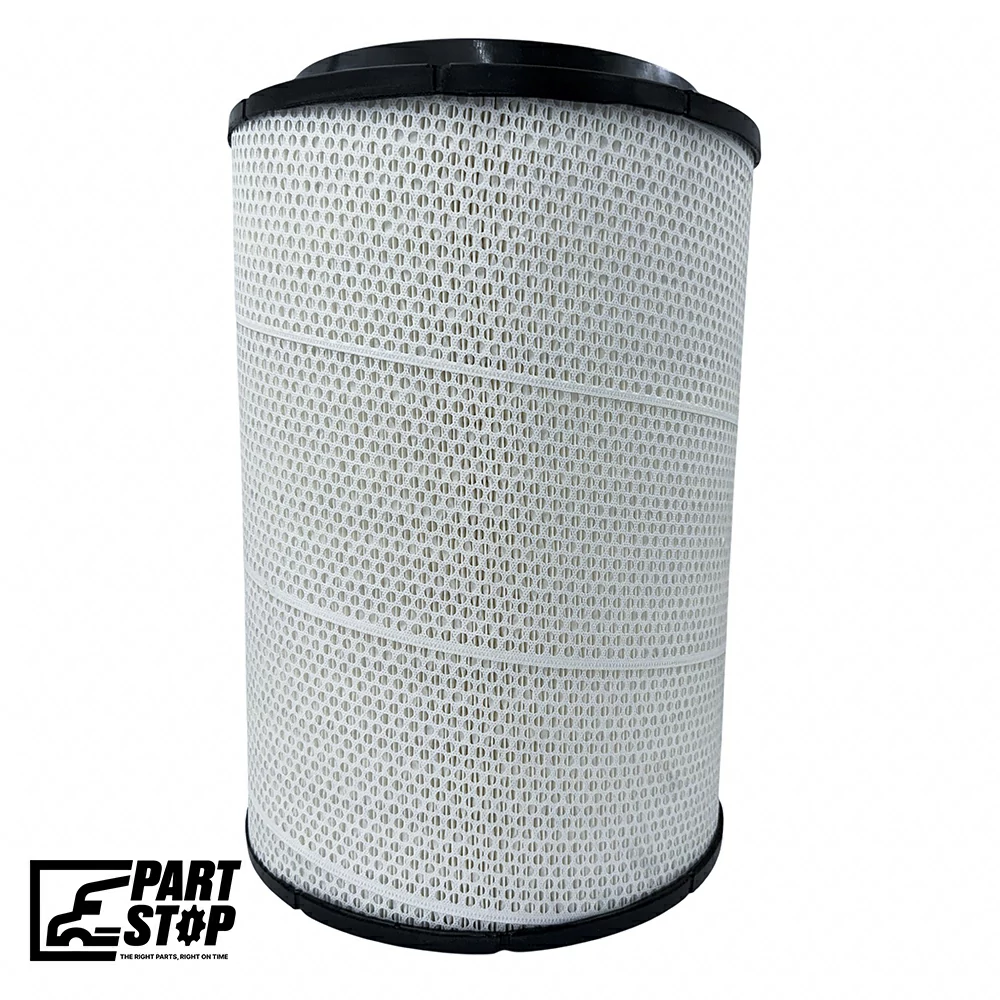
Air Filters we stock right now
Live prices and stock from our Tacoma, WA warehouse — every part a Premium Quality aftermarket Direct Replacement with a 6+ month warranty and published cross-reference numbers.
Frequently asked questions
How often should I change a semi truck air filter?
When the restriction indicator says so — typically 20–25" H₂O — not on a calendar. Highway trucks often run 18–24 months per element; gravel and vocational work can kill one in a season.
Can I clean and reuse an air filter?
No. Compressed air ruptures the media invisibly, and a washed element never regains its rating. The element price is trivial next to a dusted turbo or engine.
What does the filter minder actually measure?
Vacuum (restriction) between the filter and the turbo inlet — how hard the engine is sucking to breathe. It latches at the worst reading, so check it after a hard pull, and reset it only when you install a new element.
Black smoke under load — air filter or injectors?
Check the cheap thing first: a restriction gauge in the red means the engine is fuel-rich because it can't breathe. New element, reset the gauge, retest. If the smoke stays, then talk fuel system.
Not sure it fits? We check before you pay.
Run your VIN and we’ll match parts to your exact truck, or call the counter — a person who knows trucks verifies fitment by OEM number before the order ships.
More part guides
Need the part, not just the reading?
Every part below is a Premium Quality aftermarket Direct Replacement with published OEM cross-reference numbers, a 6+ month warranty and same-business-day shipping from Tacoma, WA. Not sure it fits? Run your VIN — or call and a person who knows trucks will verify fitment before you pay.