
Chase the leak uphill — it's never where it drips
Oil travels: airflow and gravity carry it back and down, so the wet spot on the pan rail may start at a valve cover three feet uphill. Degrease the area, drive it a day, and look again — the freshest trace is the source. Color helps too: engine oil is amber-to-black, coolant leaves dried pink/orange/green crust, fuel washes clean and smells. Front-of-engine drips after sitting overnight point at the crank seal; drips only under load point at pressurized joints.
A UV dye kit turns a mystery leak into a ten-minute answer — cheap insurance before replacing gaskets on speculation.
Matching gaskets: engine serial beats parts-book guessing
Diesel gasket sets changed mid-production more than any other part class — the same engine family can have three valve-cover gasket revisions. The engine serial number (on the dataplate) plus the OEM number on our listings is the reliable match; the cross-references cover the common ISX, DD13/15 and MX-13 applications. Buying the full set (e.g., an upper set) is often cheaper than three single gaskets bought as the job grows — and the job always grows.
Install discipline: clean, dry, torqued in sequence
Gaskets fail at installation more than in service. The rules that matter: scrape both surfaces to bare clean metal without gouging; no silicone unless the engine maker calls for it and only where called for; torque in the published sequence to the published spec — uneven torque is how a new gasket leaks in a week. Rubber and Viton seals want a film of clean oil on the lip, and crank seals want the wear-sleeve checked: a grooved shaft eats new seals for breakfast.
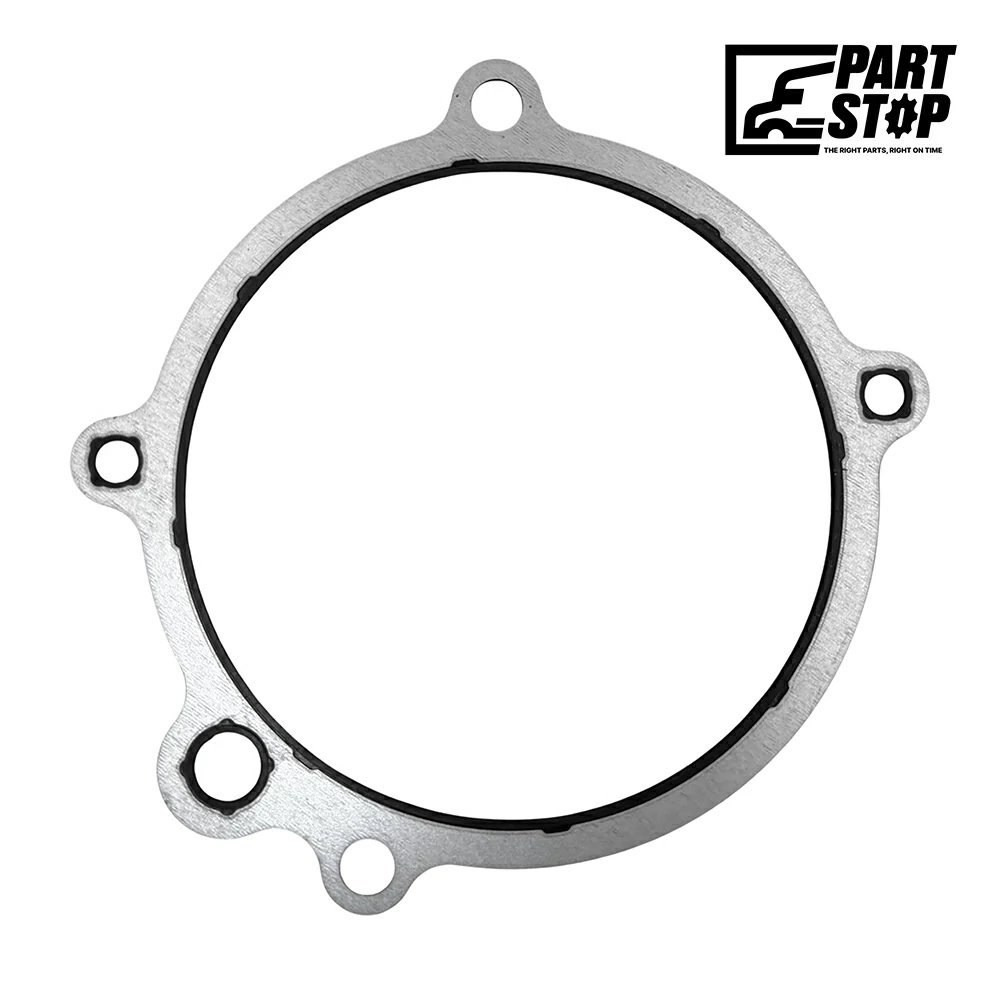
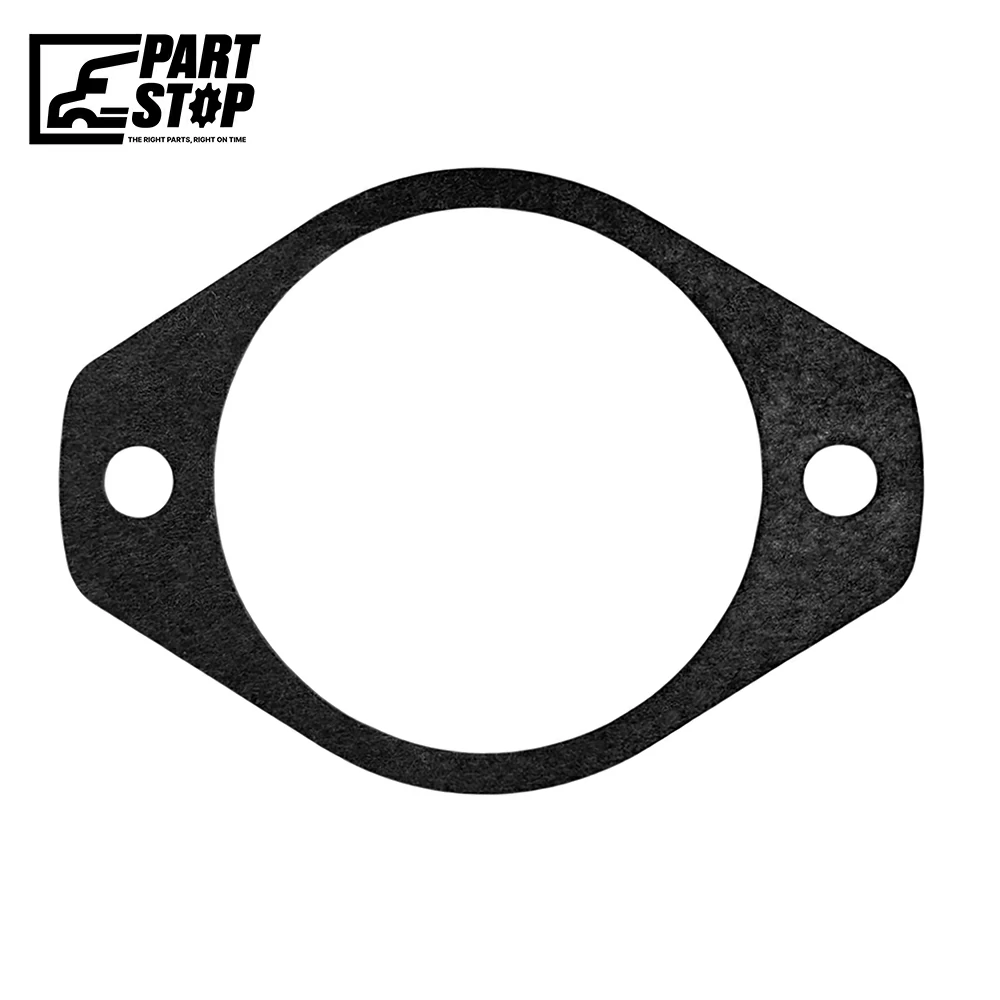
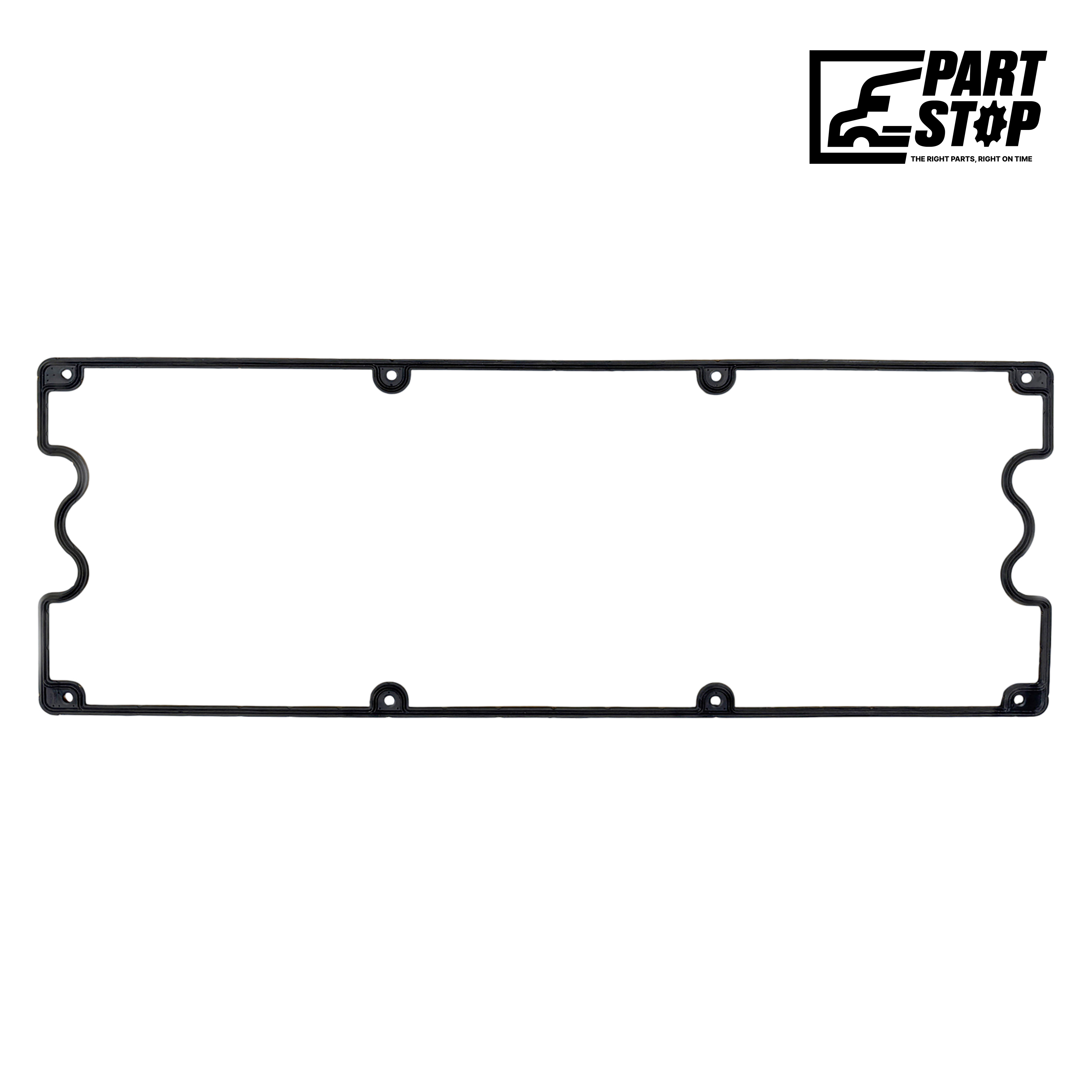
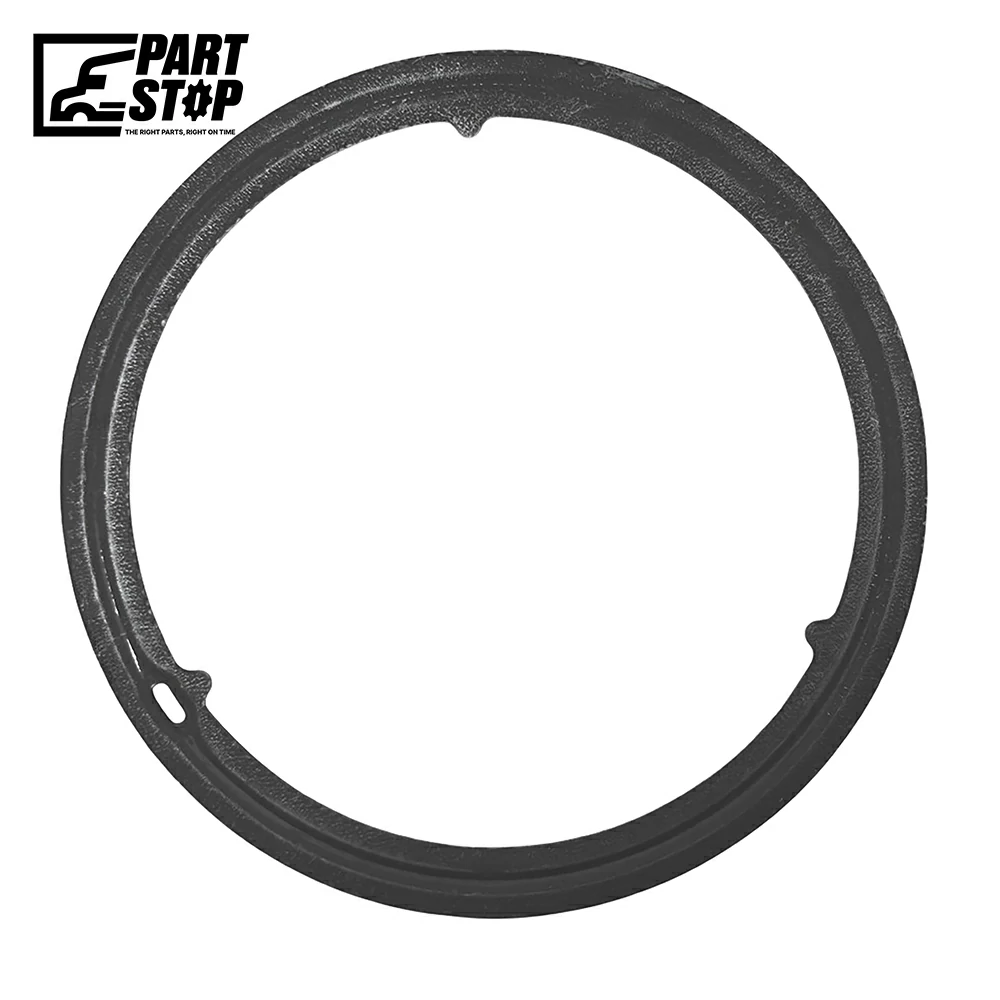
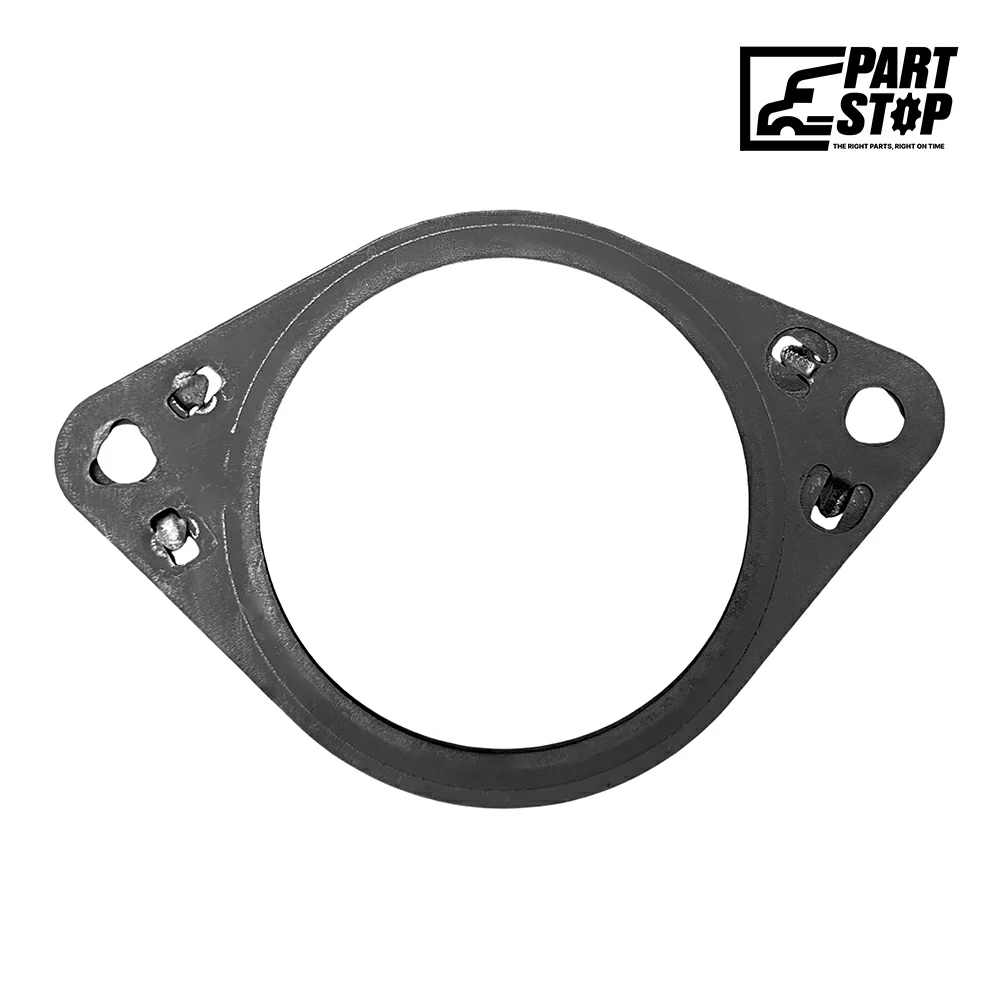
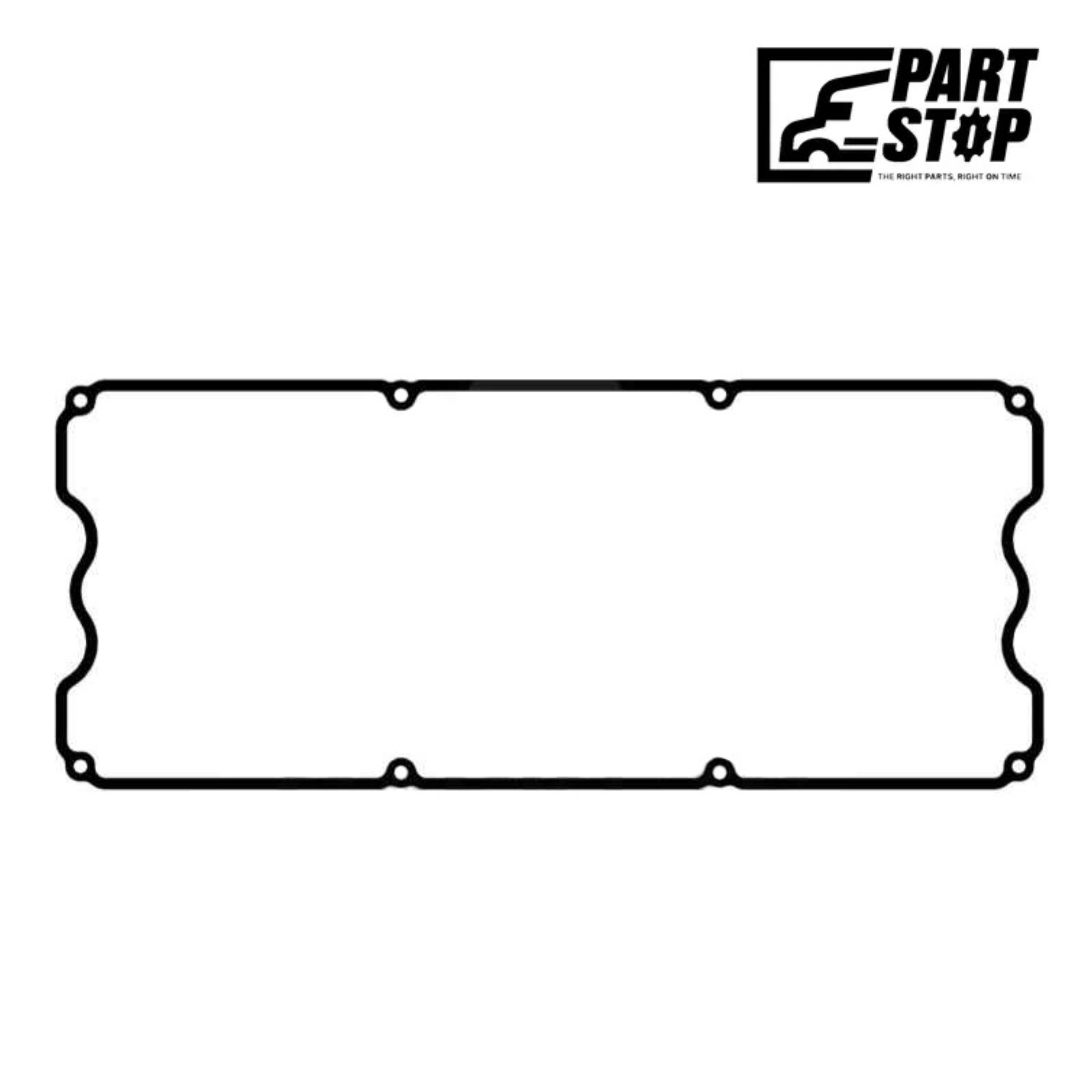
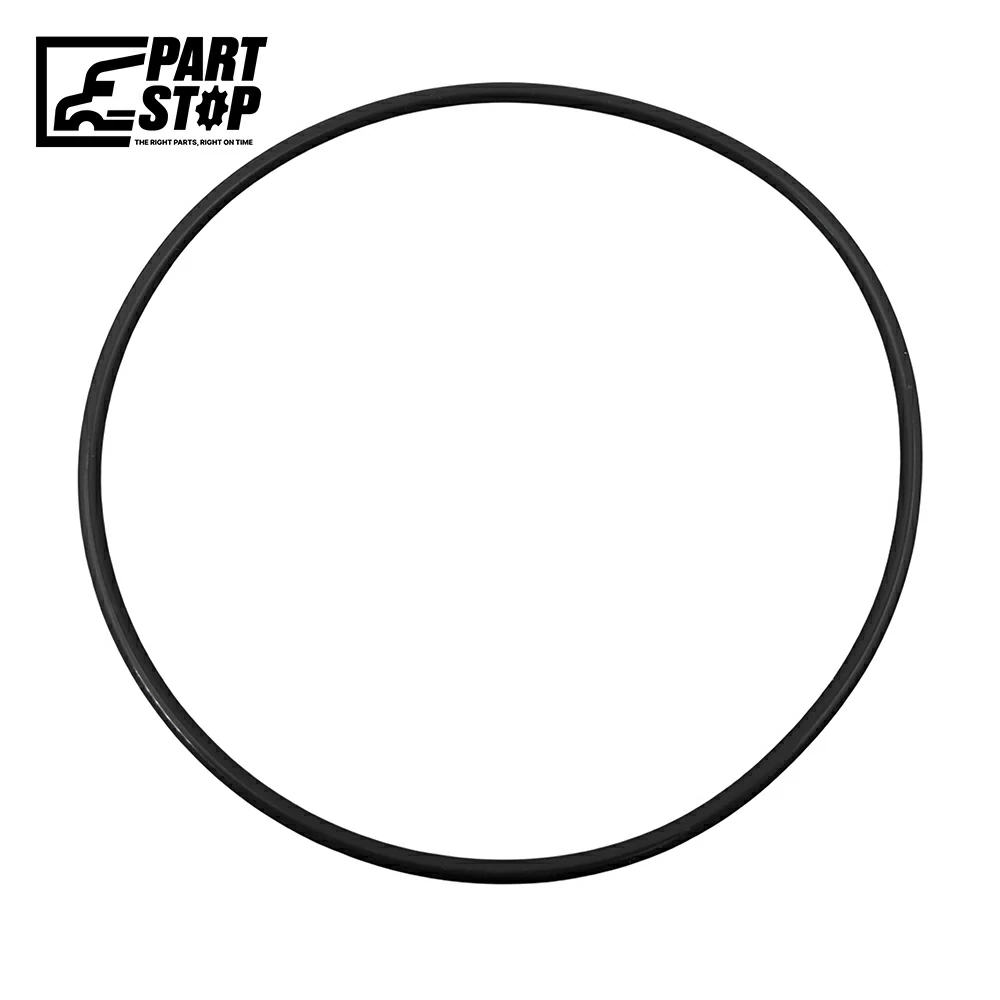
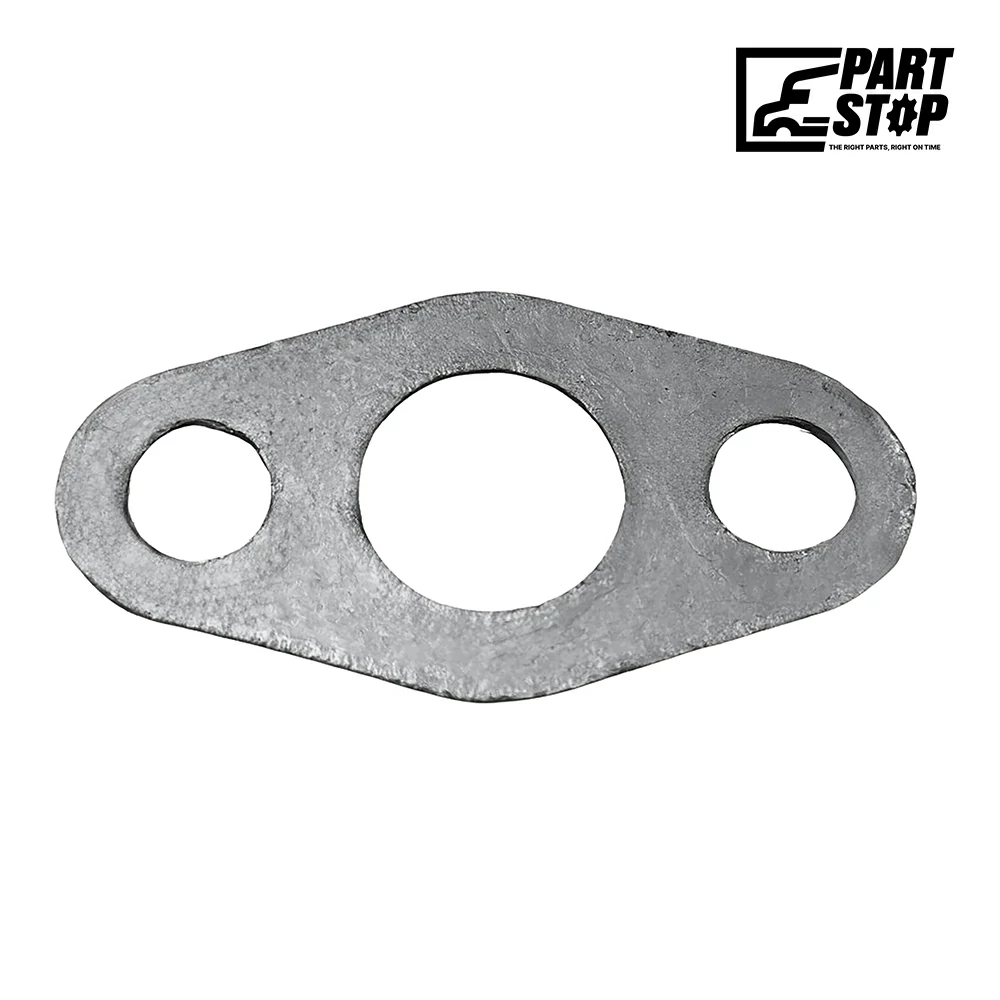
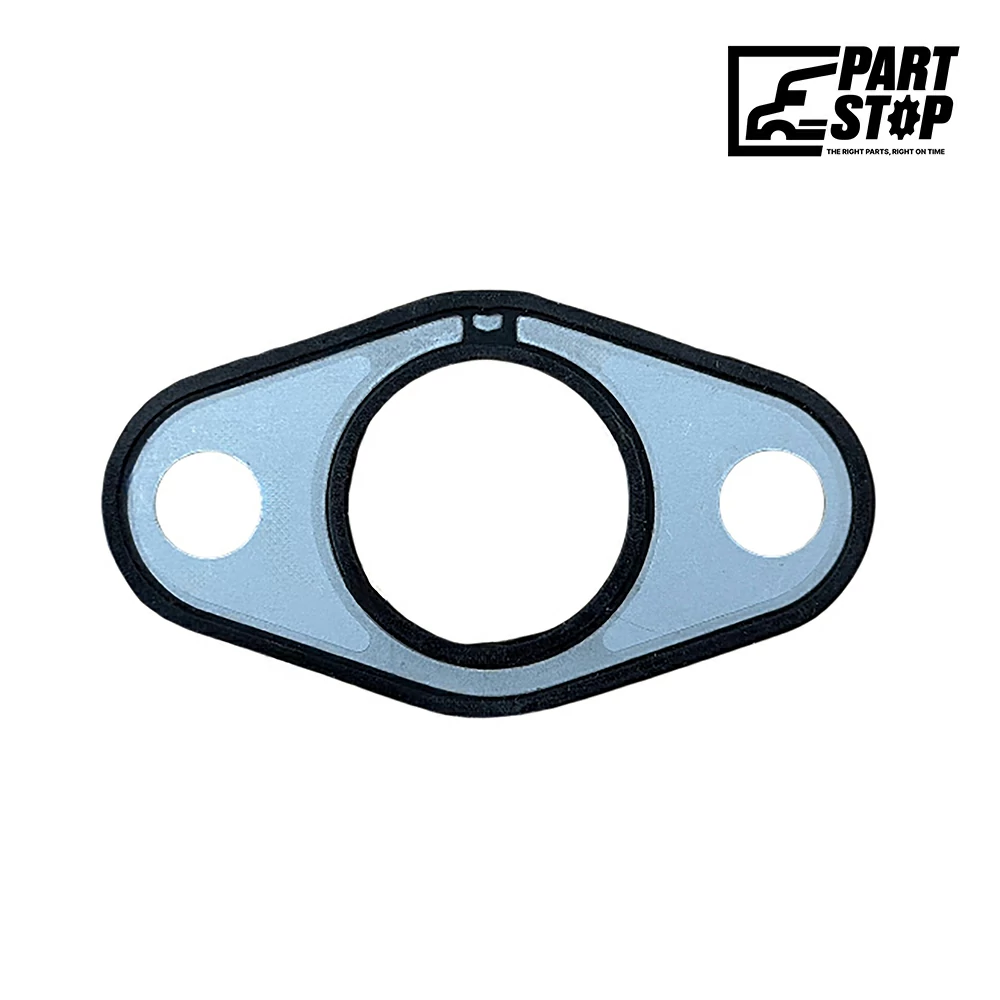
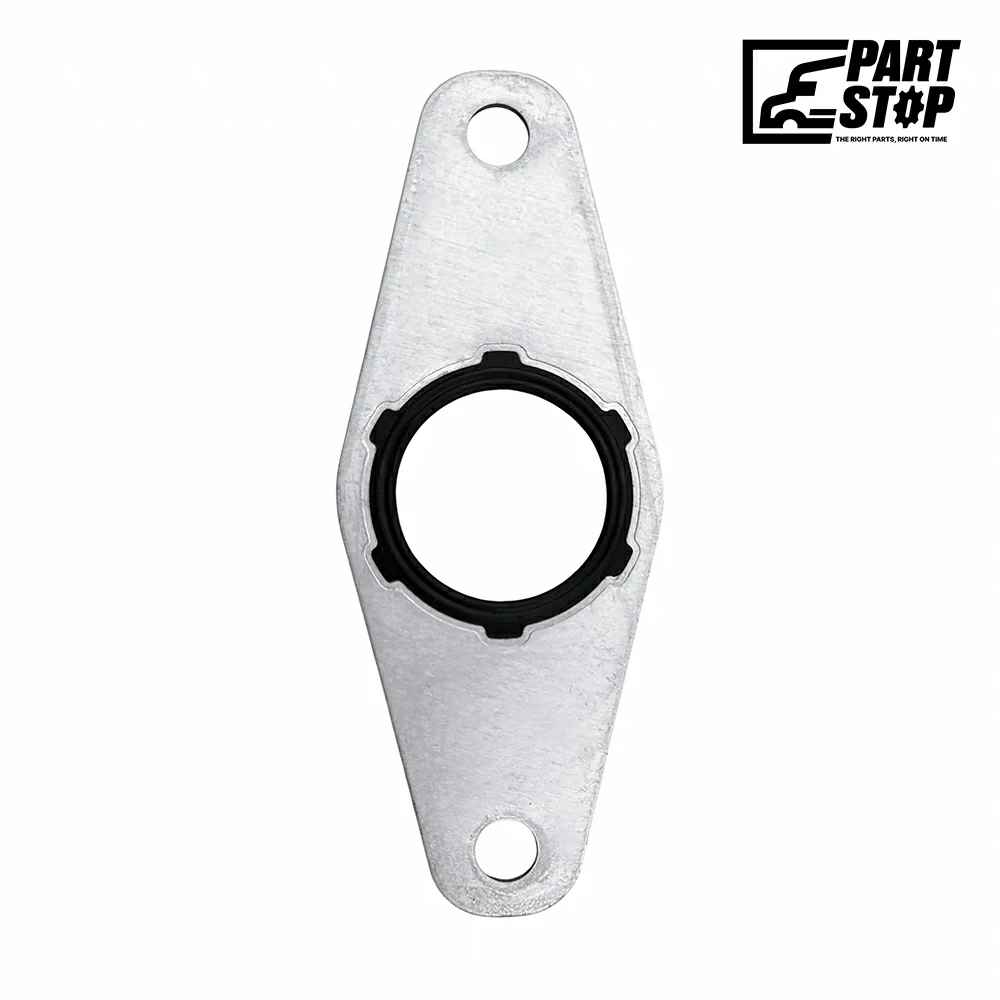
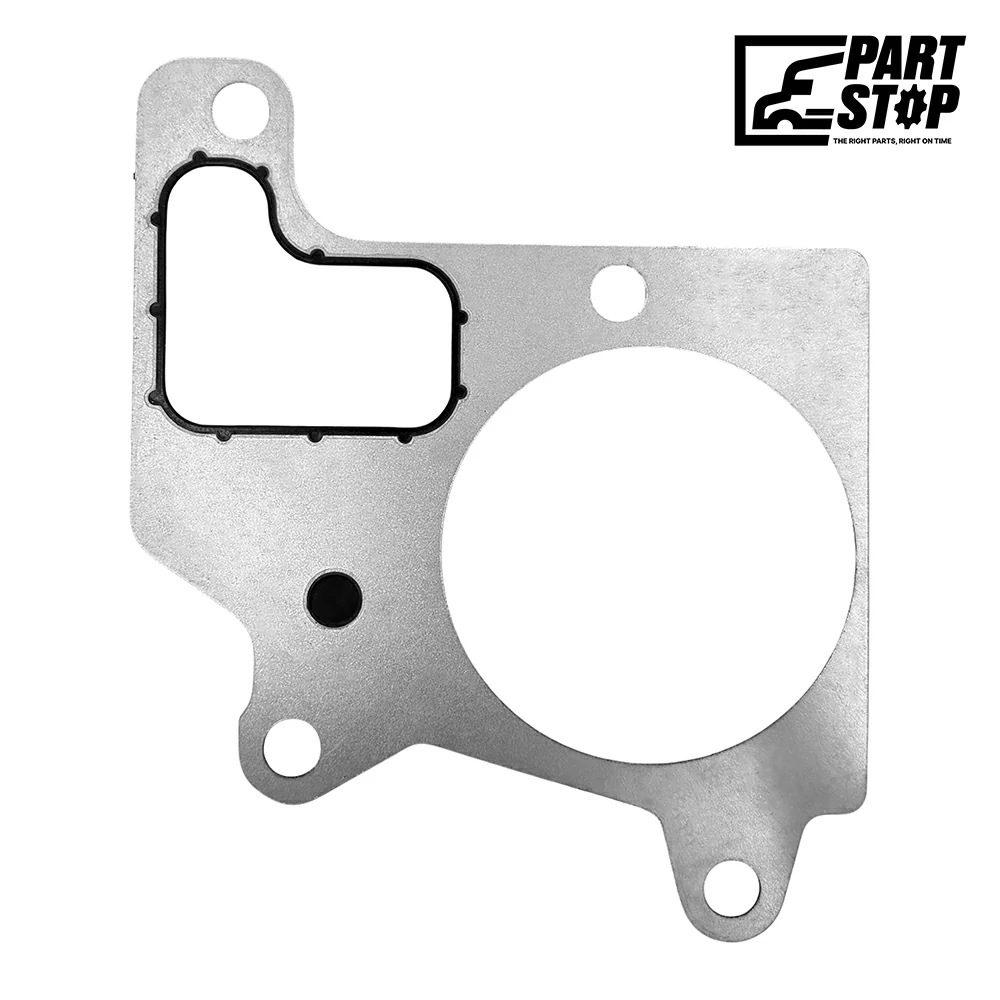
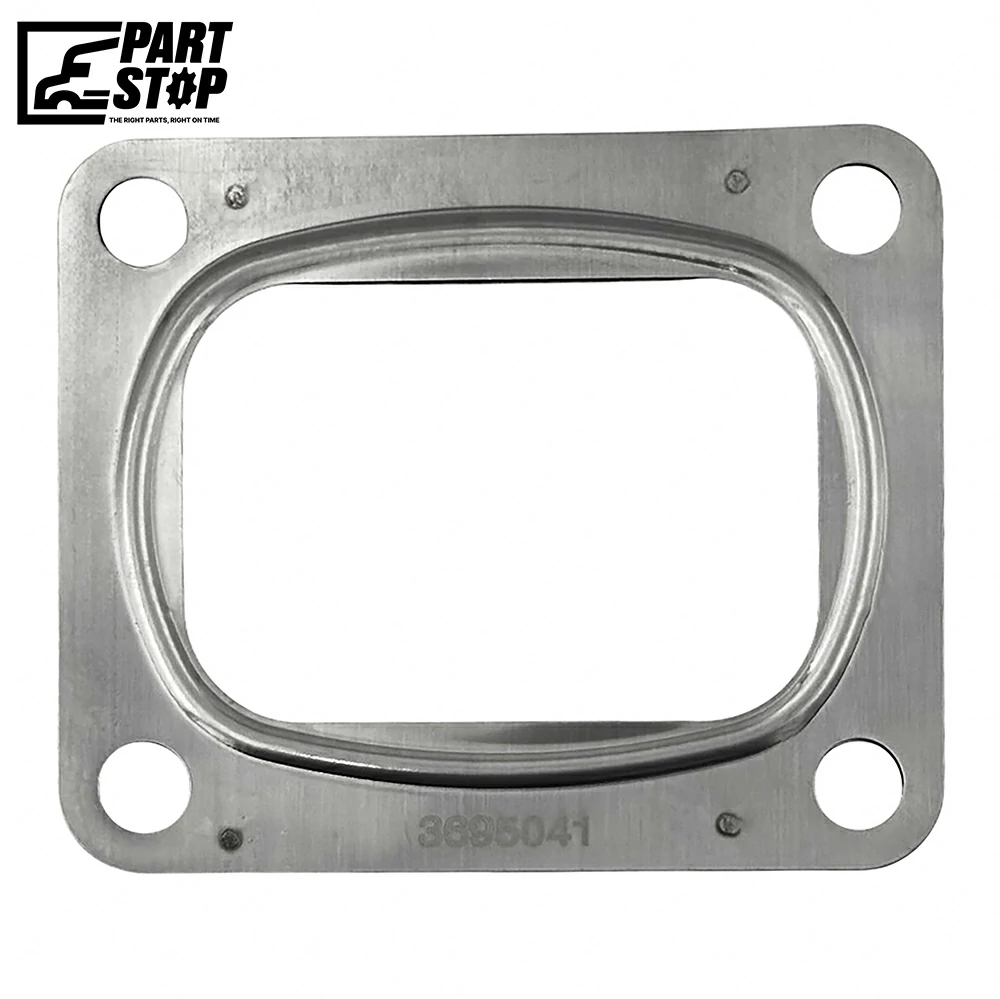
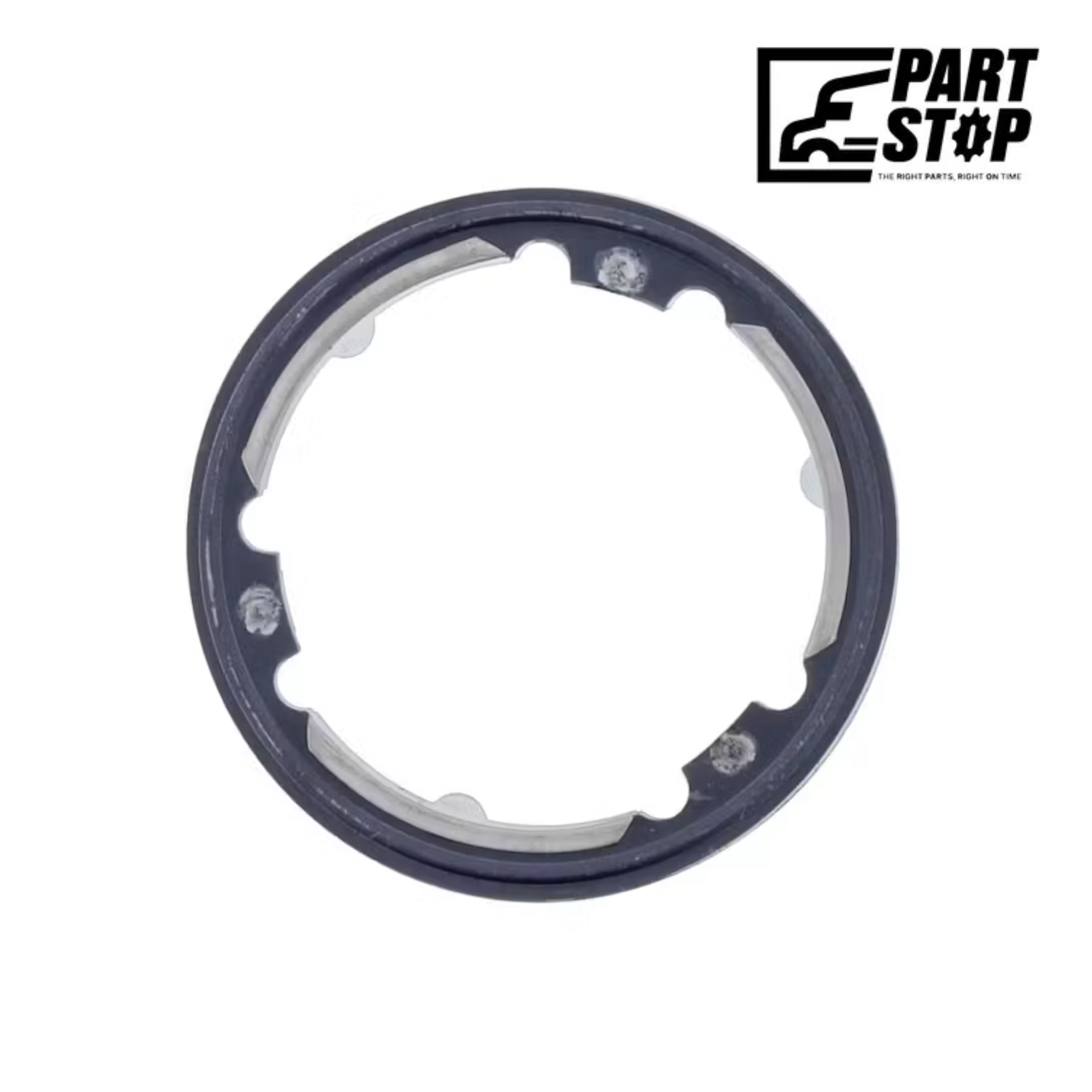
Gaskets & Seals we stock right now
Live prices and stock from our Tacoma, WA warehouse — every part a Premium Quality aftermarket Direct Replacement with a 6+ month warranty and published cross-reference numbers.
See all Gaskets & Seals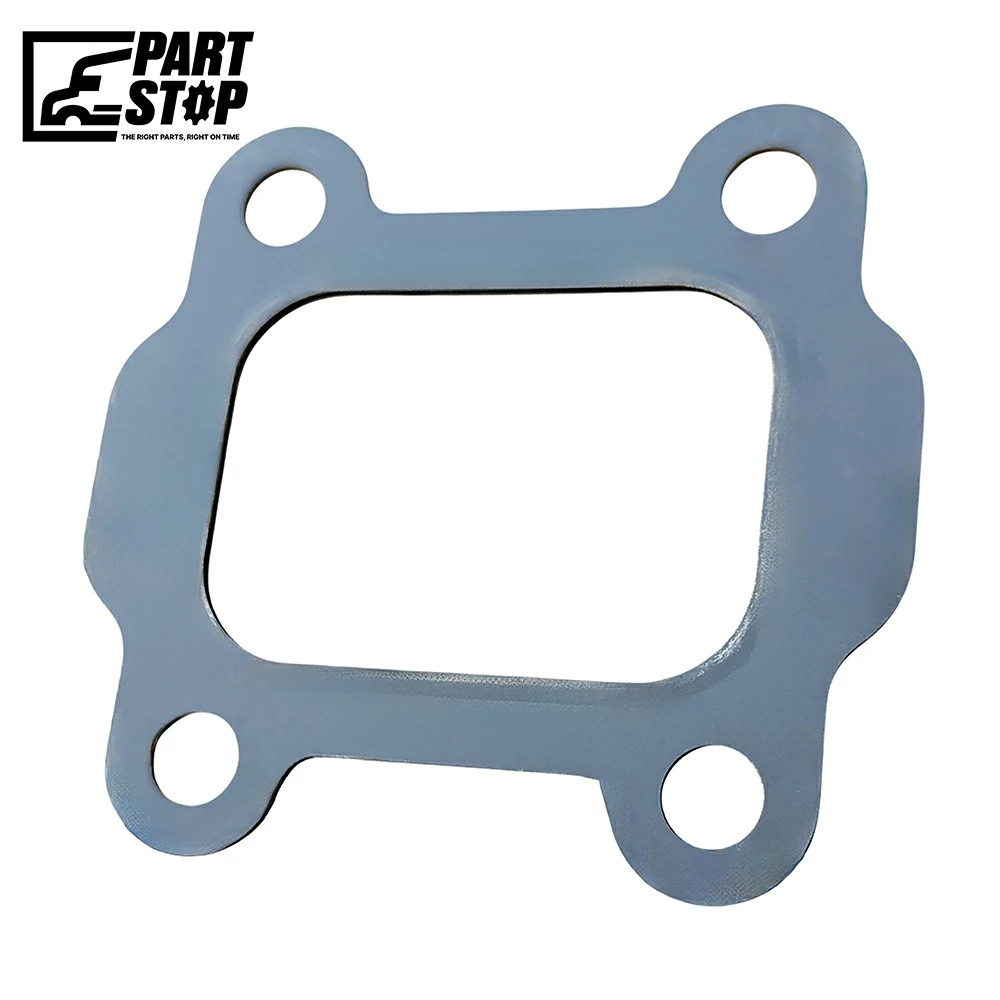
Frequently asked questions
Can I just snug the bolts on a weeping gasket?
Once, gently, if the joint has torque left — but a gasket that's relaxed enough to weep is telling you its crush is gone. Re-torquing buys weeks; the fix is the gasket.
Are aftermarket gasket sets as good as OEM?
The quality aftermarket sets we cross-reference use the same materials — graphite, MLS, Viton — as the originals they replace, and the listings show exactly which OEM numbers each set covers. Match the engine serial and revision, and the material does the rest.
Why does my new valve cover gasket still leak?
Usually one of three: a warped cover flange (straightedge it), torque out of sequence, or the old gasket's residue left on the sealing surface. Occasionally it's not the gasket at all — crankcase pressure from a plugged breather pushes oil past everything.
Is stop-leak safe in a diesel?
As a get-home measure, maybe. As a repair, no — cooling-system stop-leak also finds the radiator, heater core and EGR cooler passages, and the cleanup costs more than the gasket ever would.
Not sure it fits? We check before you pay.
Run your VIN and we’ll match parts to your exact truck, or call the counter — a person who knows trucks verifies fitment by OEM number before the order ships.
More part guides
Need the part, not just the reading?
Every part below is a Premium Quality aftermarket Direct Replacement with published OEM cross-reference numbers, a 6+ month warranty and same-business-day shipping from Tacoma, WA. Not sure it fits? Run your VIN — or call and a person who knows trucks will verify fitment before you pay.