
Quick answer
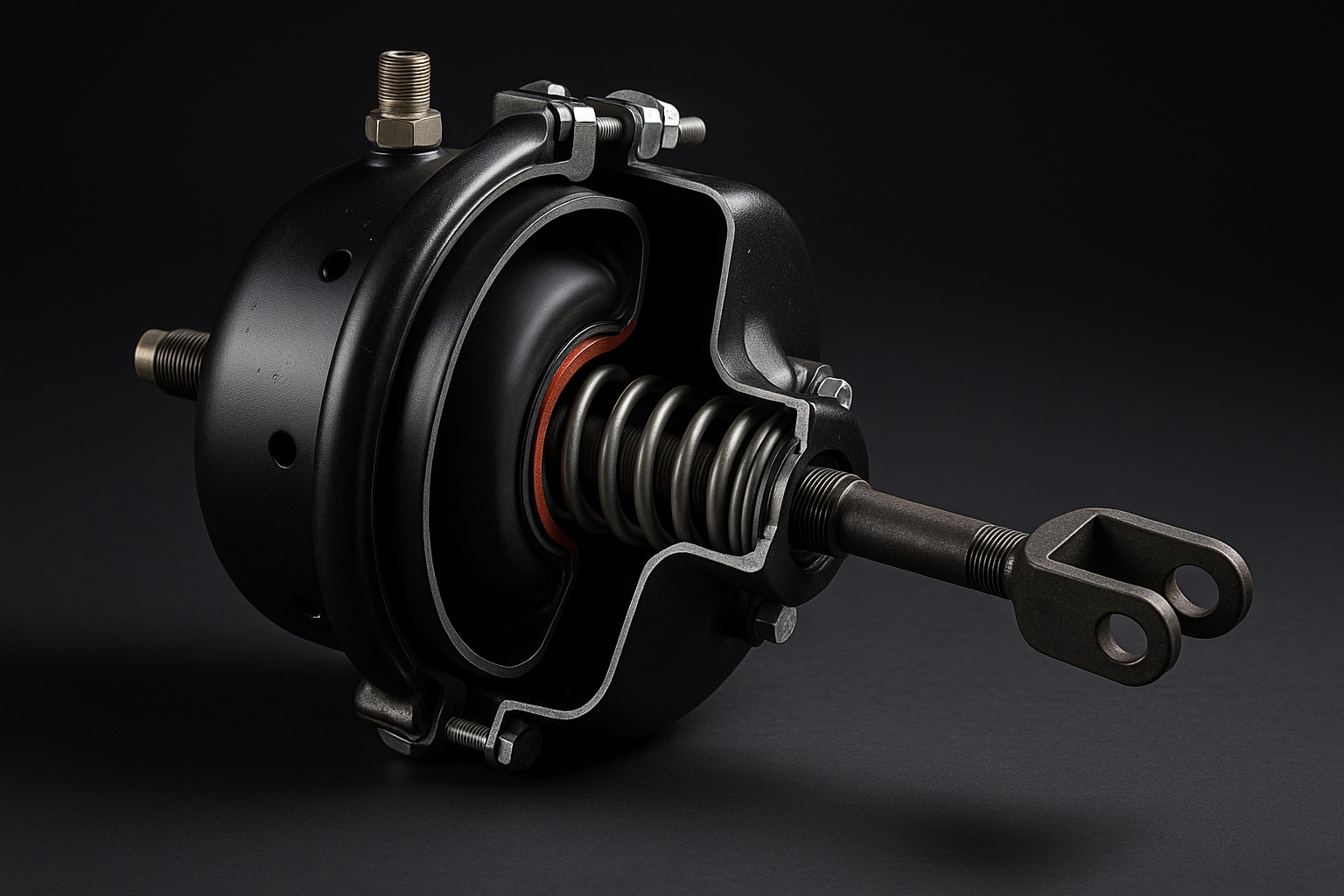
An air brake chamber turns air pressure into braking force: pressing the pedal sends compressed air against a rubber diaphragm, which pushes a pushrod that swings the slack adjuster and clamps the brake; releasing lets the air out and a spring returns the rod. Drive and trailer axles add a spring-brake section — a big coil spring held compressed by air — that applies the brake mechanically when air is released, so the truck fails safe (loses air, it stops) and the parking brake works with no air. That stored spring energy is also why a spring brake must never be cut open.
Air pushes a rubber diaphragm, a rod swings a lever, the brakes clamp. Simple — until you add the spring that parks the truck. Here's the whole thing in plain English, no engineering degree required.
The service side: how the truck stops
Press the brake pedal and you send compressed air into the chamber. Inside is a flexible rubber diaphragm; the air pushes on it, the diaphragm pushes a pushrod out, and the pushrod swings the slack adjuster, which twists the S-cam (or squeezes the caliper) and clamps the brake. Let off the pedal, the air escapes, a return spring pulls the rod back, and the brake releases. That's the service brake — the everyday stop.
The 'type' number (30, 24, 20) is just how big that diaphragm is. Bigger diaphragm, more push at the same pressure, harder clamp.
The spring side: how the truck parks — and fails safe
Drive and trailer axles add a second section bolted behind the first — the spring brake, which makes the whole thing a '30/30' double. Inside it is a big, powerful coil spring. Here's the clever bit: air pressure holds that spring compressed so the brake is released while you drive. Set the parking brake (or lose air to a leak) and the air bleeds off, the spring pushes out, and the brake applies mechanically — no air required.
That's the fail-safe at the heart of air brakes: lose your air and the truck stops itself instead of rolling free. It's also why you can never just cut a spring brake open — that stored spring energy is dangerous.
Why 'stroke' matters
Stroke is how far the pushrod travels to apply the brake. As the lining wears, the rod has to reach farther; the slack adjuster is supposed to take that up automatically. When stroke gets too long — a tired chamber, worn hardware — the brake stops making full contact. That's 'out of adjustment,' and it's the number a DOT inspector checks. It's also why matching long vs short stroke on a replacement matters so much.
Why chambers wear out
- The diaphragm folds and unfolds millions of times and eventually cracks — the most common failure.
- Moisture in the air system rusts the housing and spring from the inside.
- Road salt and grit corrode the outside and the pushrod.
- A torn diaphragm leaks air; a corroded spring won't release — either way it's a complete-unit replacement.
Now you know what you're buying
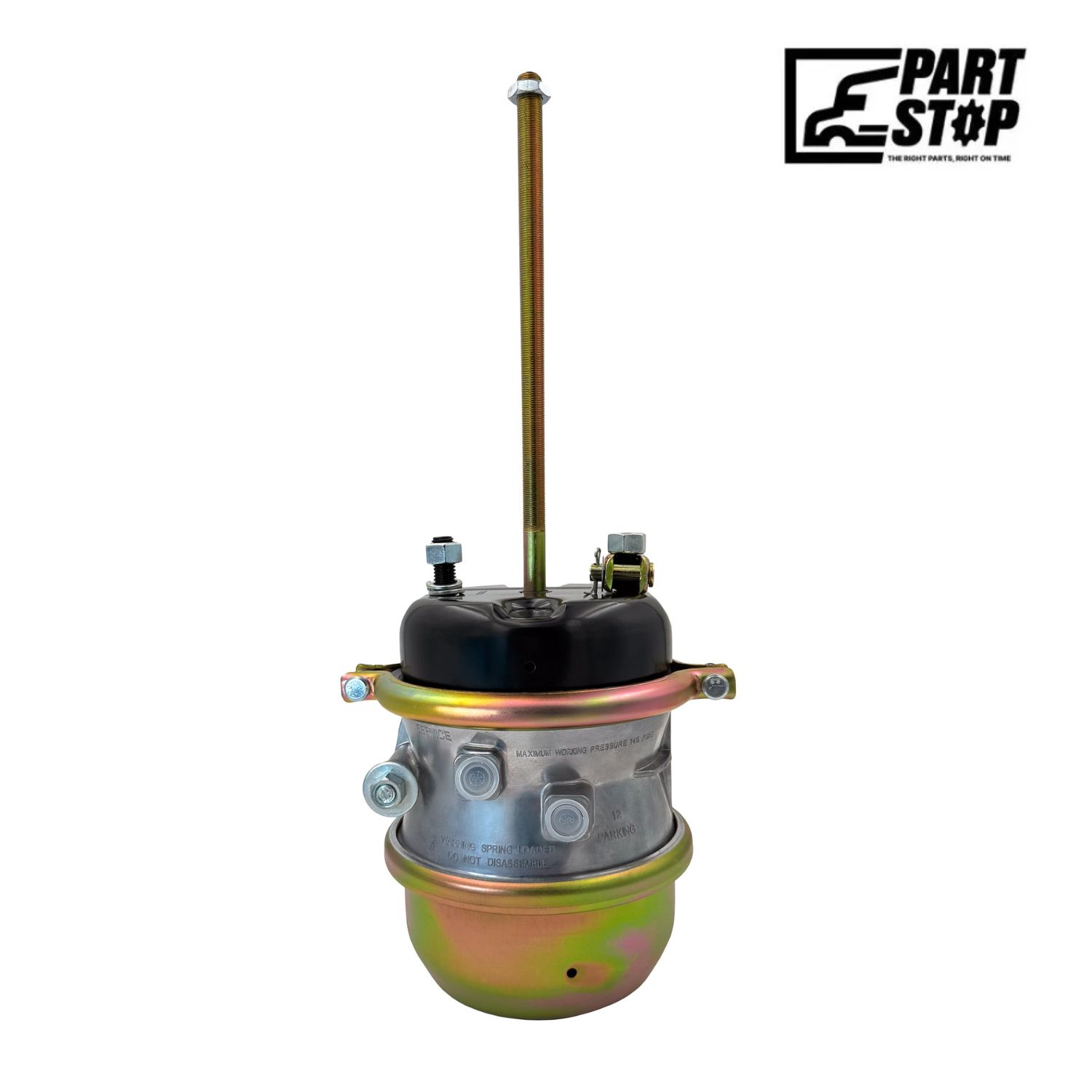
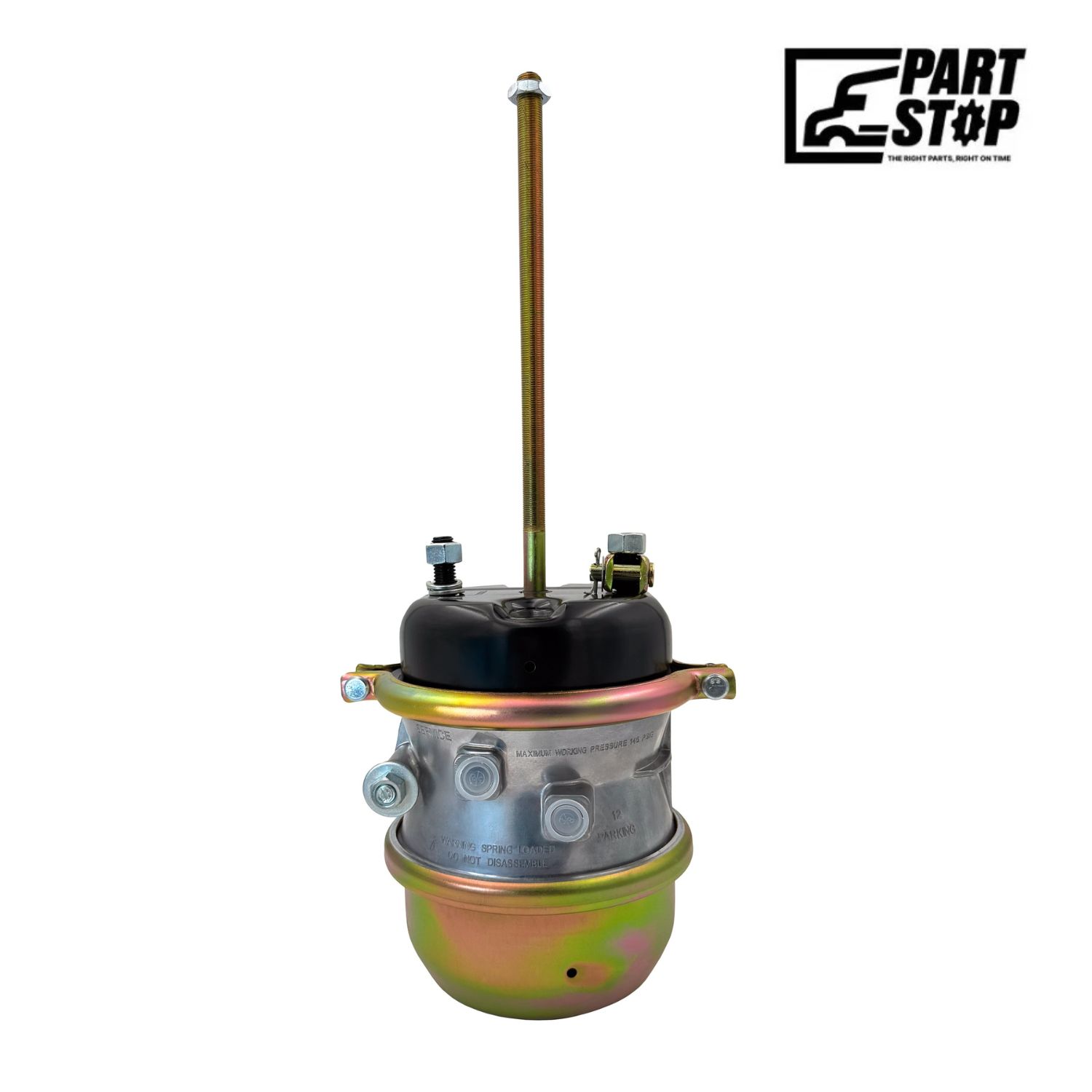
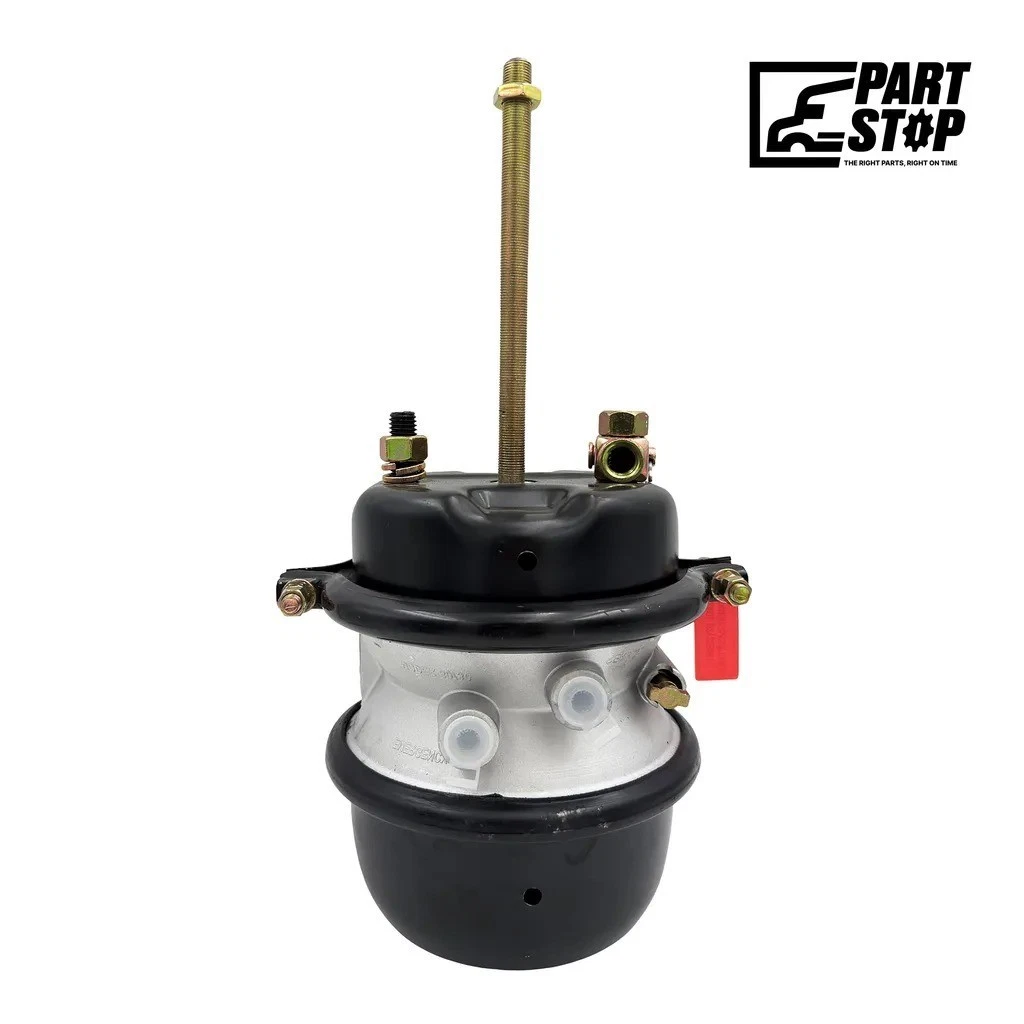
Understand the service side, the spring side, and stroke, and picking a replacement is easy: match the type, the stroke, and the mounting on the old can. PartStop stocks service chambers and 30/30 spring brakes as premium-quality aftermarket direct replacements, cross-referenced to Bendix, Haldex and Meritor, 6+ month warranty, same-day from Tacoma, singles and 2/4/10-packs.
Frequently asked questions
How does a spring brake chamber work?
A spring brake holds a powerful coil spring compressed with air pressure so the brake is released while you drive. Set the parking brake or lose air, and the air bleeds off, the spring extends, and the brake applies mechanically — no air needed. That fail-safe is why air brakes stop a truck when it loses air instead of letting it roll.
What is brake chamber stroke?
Stroke is how far the pushrod travels to apply the brake. As linings wear, the rod travels farther and the slack adjuster takes it up automatically; when stroke exceeds the limit, the brake stops making full contact — that's 'out of adjustment,' the number a DOT inspector checks. It's also why long vs short stroke must be matched on a replacement.
In stock at PartStop
Shop these air brake chambers
Premium-quality aftermarket direct replacements — cross-referenced to Bendix, Haldex and Meritor. Same-day shipping from Tacoma, 6+ month warranty.
Fleet pricing
Running a fleet? Buy in packs and save
Chambers are a wear item — stock the shelf and a torn diaphragm is a quick swap, not a parked truck. 2-, 4- and 10-packs drop the per-unit price.
Also Available As a Deal
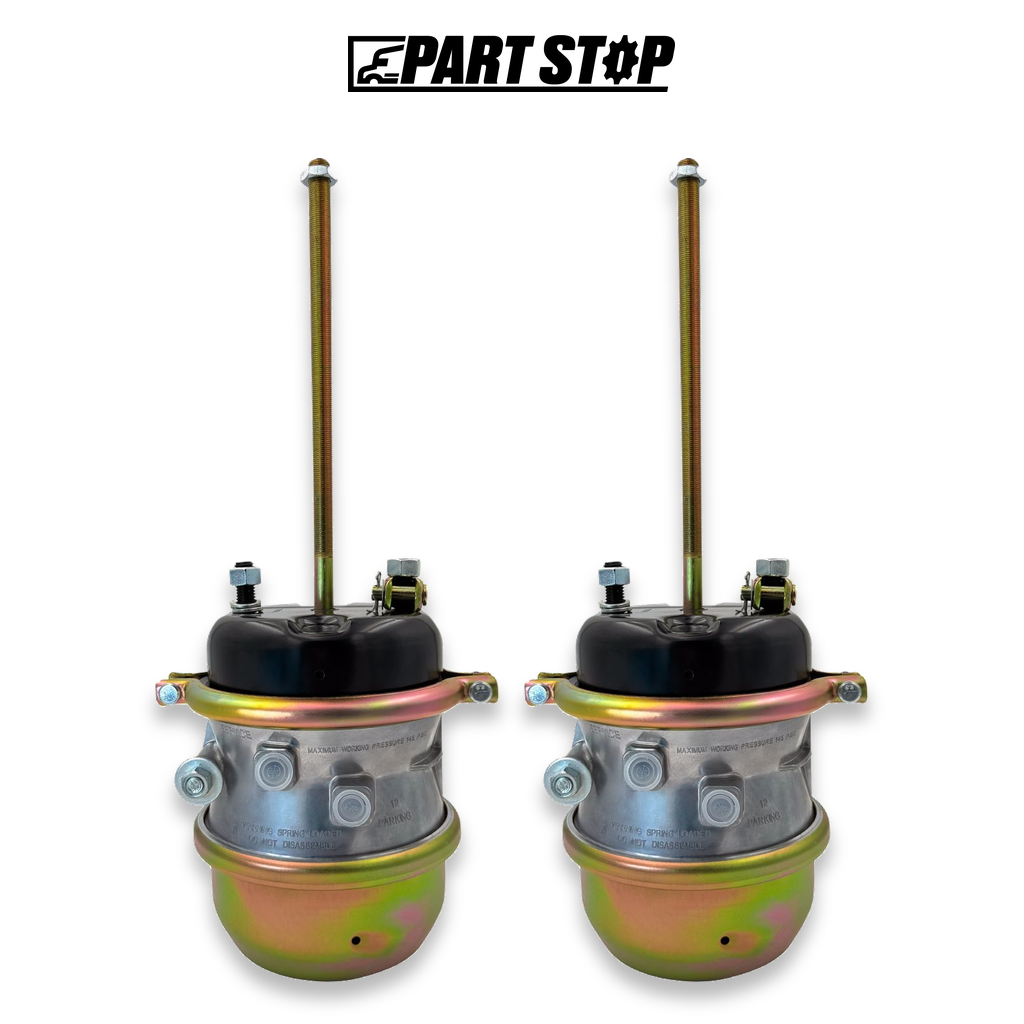
Buy the 2-PackSave 15%
NT3030ELS80 2-Pack Spring Air Brake Chamber Long for Freightliner FL112
$131.99$141.16
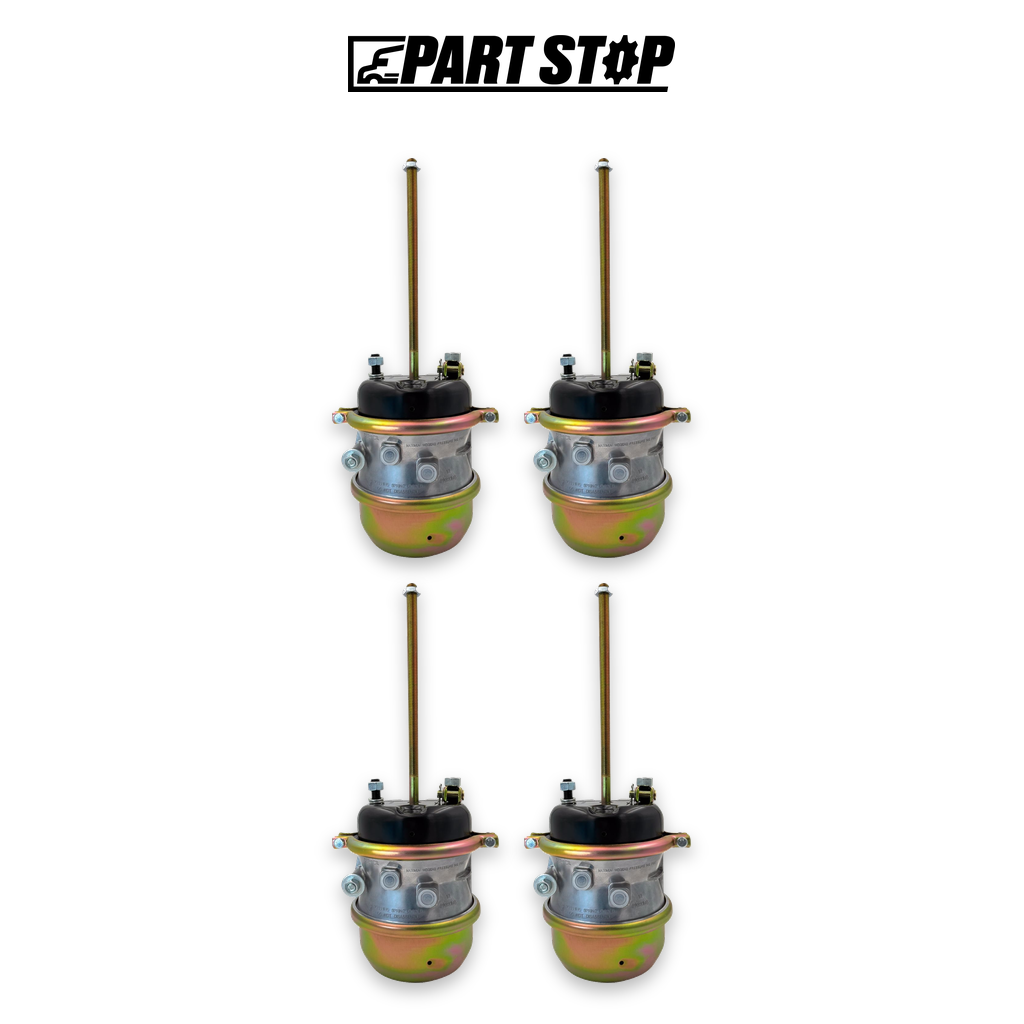
Buy the 4-PackSave 20%
NT3030ELS80 4-Pack Spring Air Brake Chamber Long for Freightliner FL112
$249.99$299.99
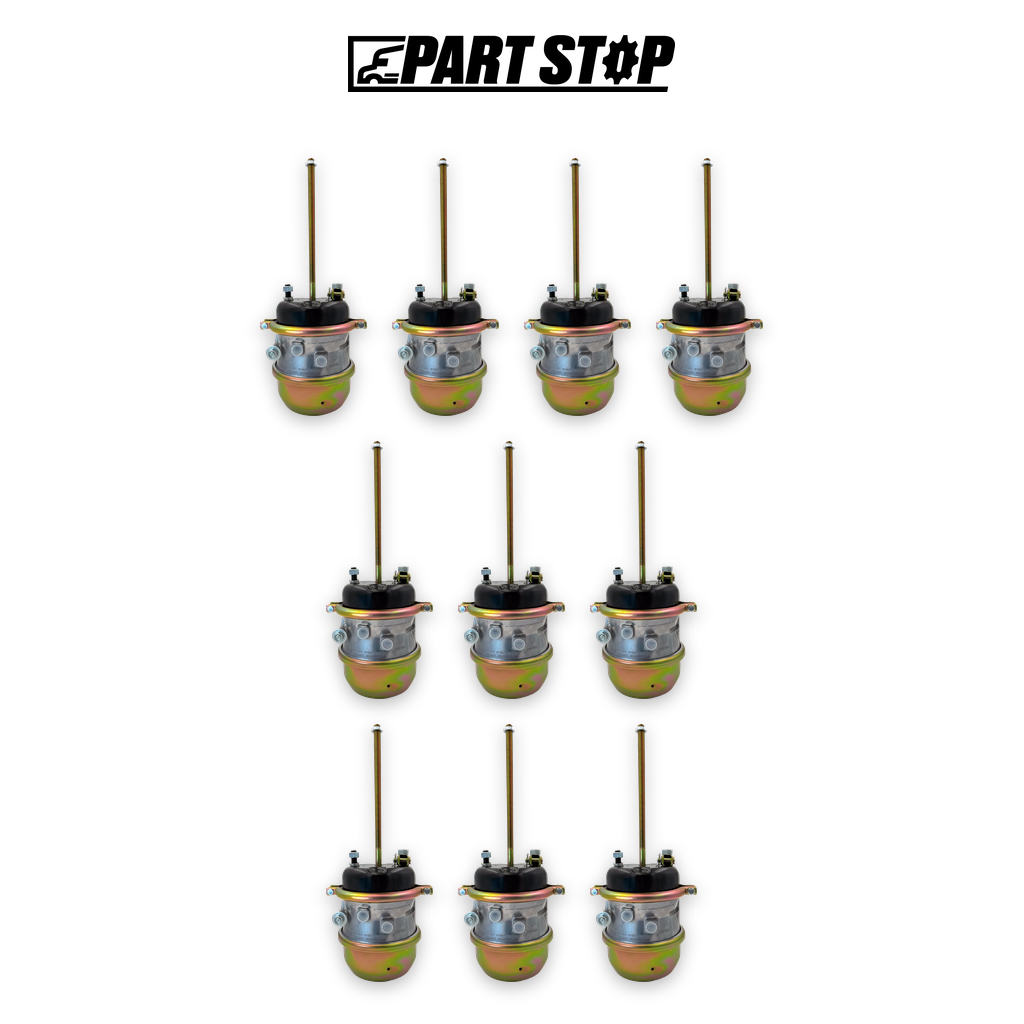
Buy the 10-PackSave 25%
NT3030ELS80 10-Pack Spring Air Brake Chamber Long for Freightliner FL112
$404.99$532.00
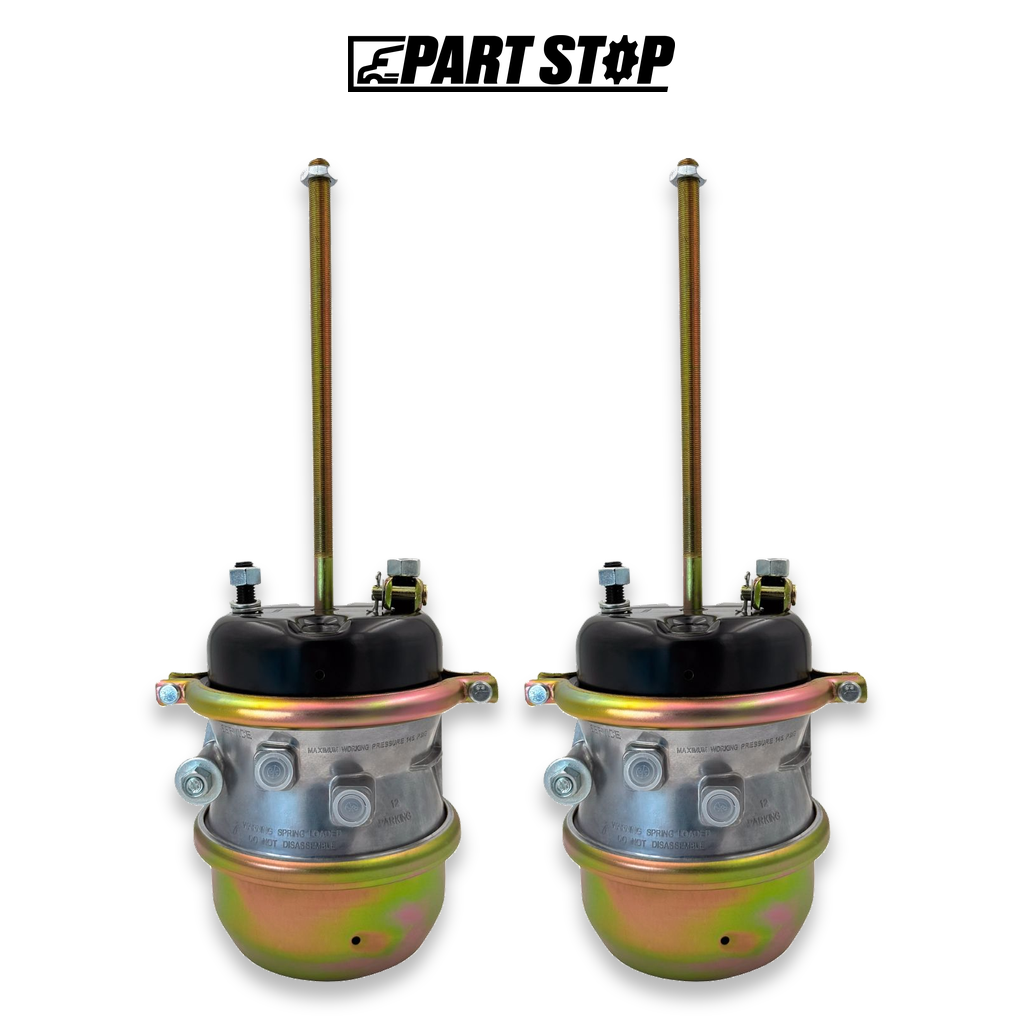
Buy the 2-PackSave 15%
T3030SHRT 2-Pack Air Brake Chamber Short Stroke for Freightliner FL112
$142.34
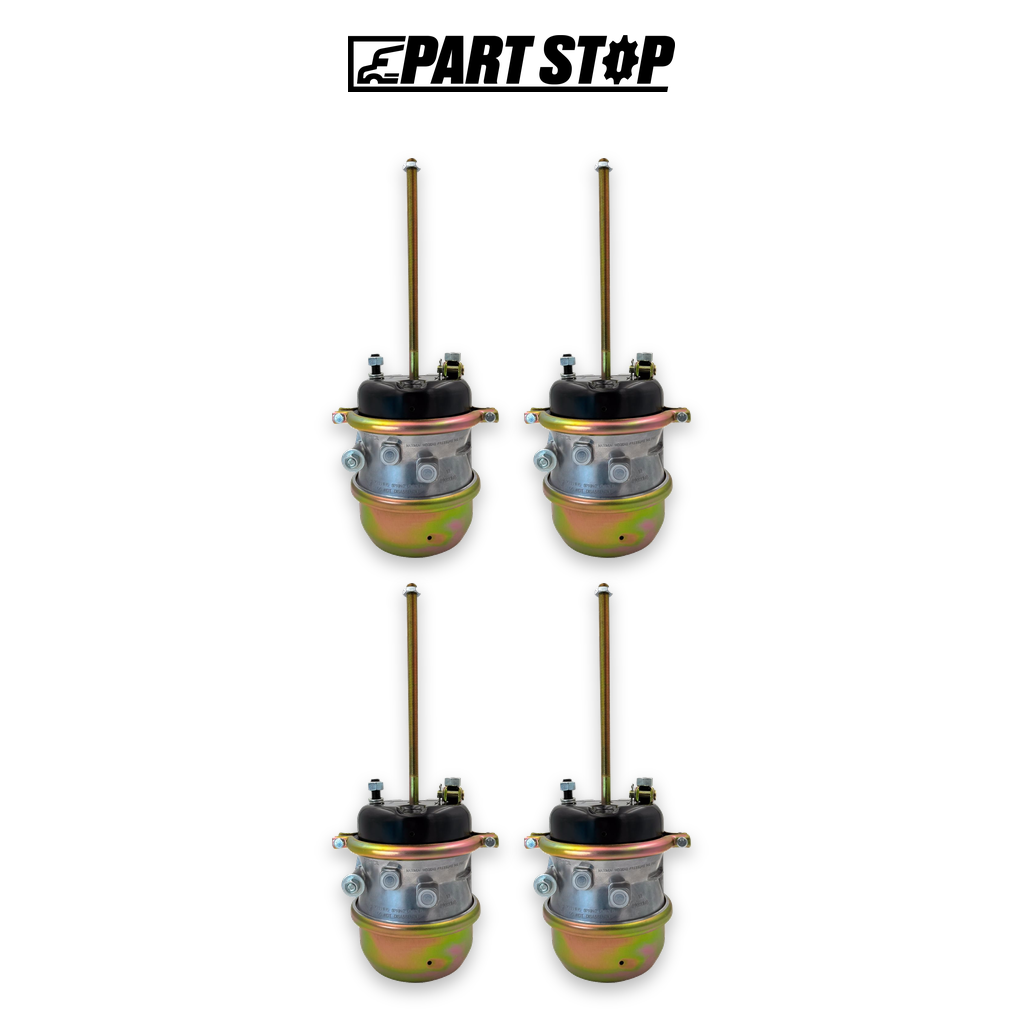
Buy the 4-PackSave 20%
T3030SHRT 4-Pack Air Brake Chamber Short Stroke for Freightliner FL112
$284.98$297.50
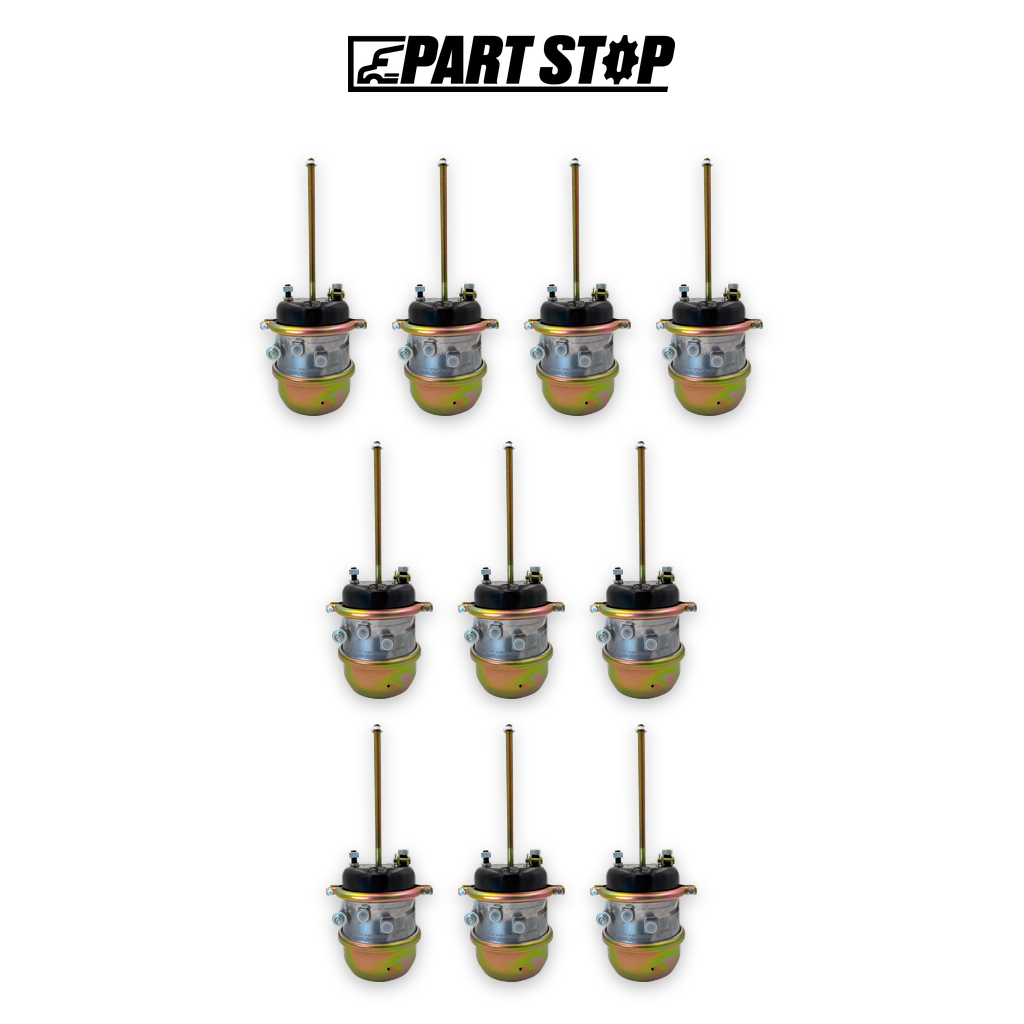
Buy the 10-PackSave 25%
T3030SHRT 10-Pack Air Brake Chamber Short Stroke for Freightliner FL112
$414.86$532.00
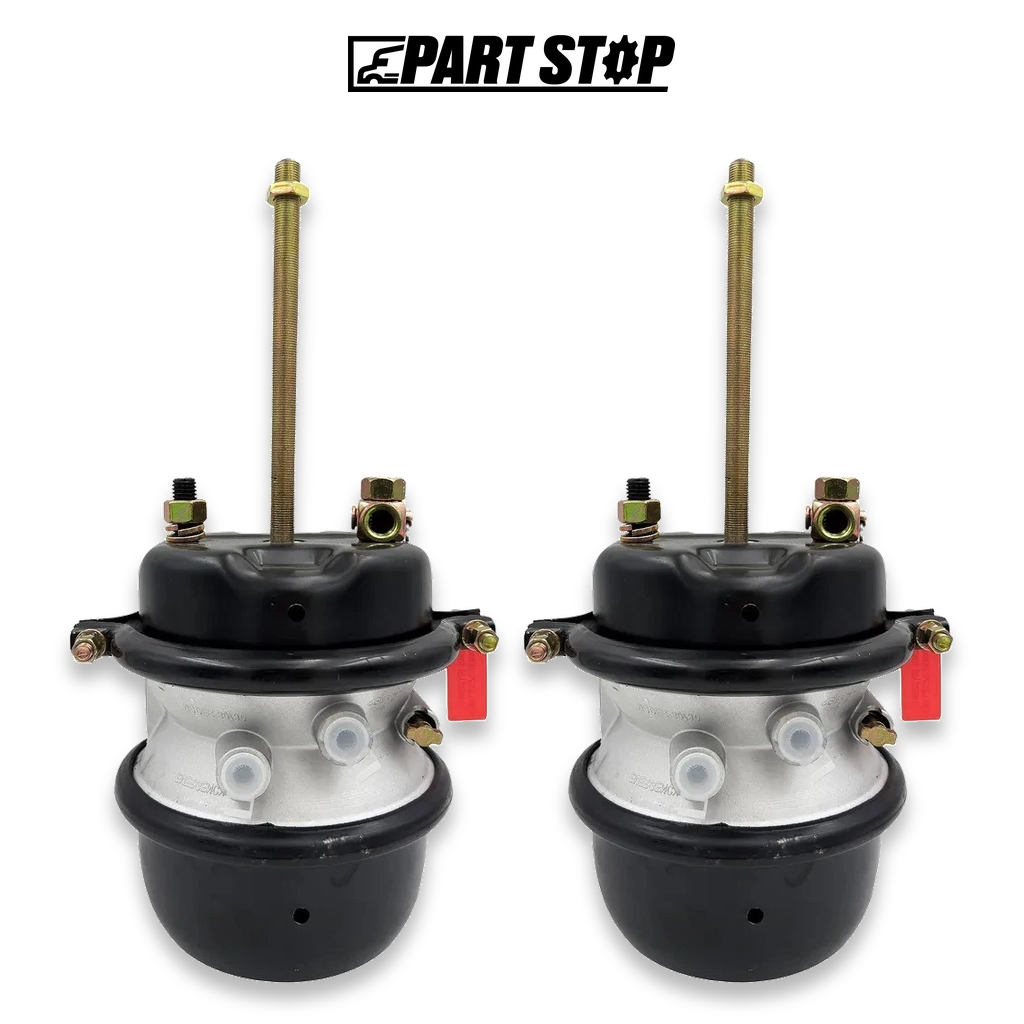
Buy the 2-PackSave 15%
T3030DD 2-Pack Bendix/Haldex Air Brake Chamber for Paccar Volvo Truck
$140.99$159.99
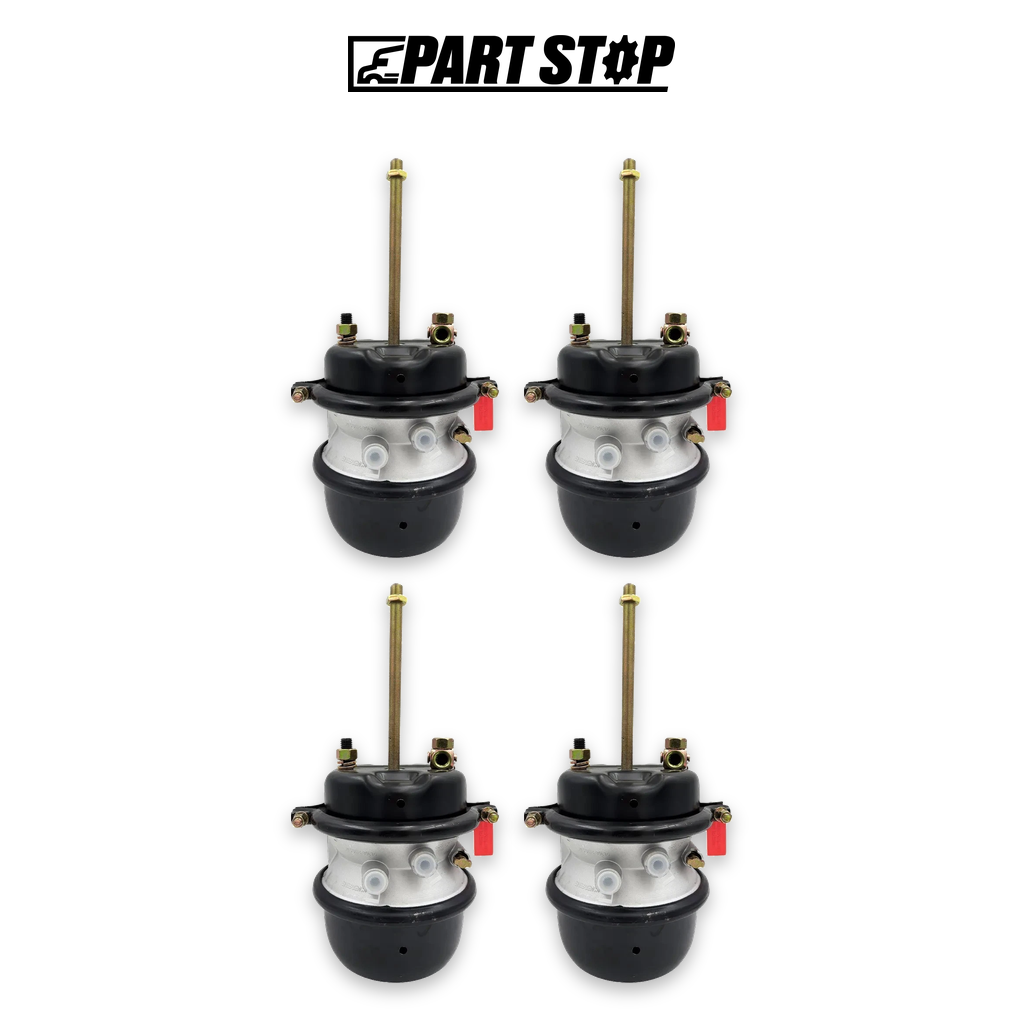
Buy the 4-PackSave 20%
T3030DD 4-Pack Bendix/Haldex Air Brake Chamber for Paccar Volvo Truck
$266.99$319.99
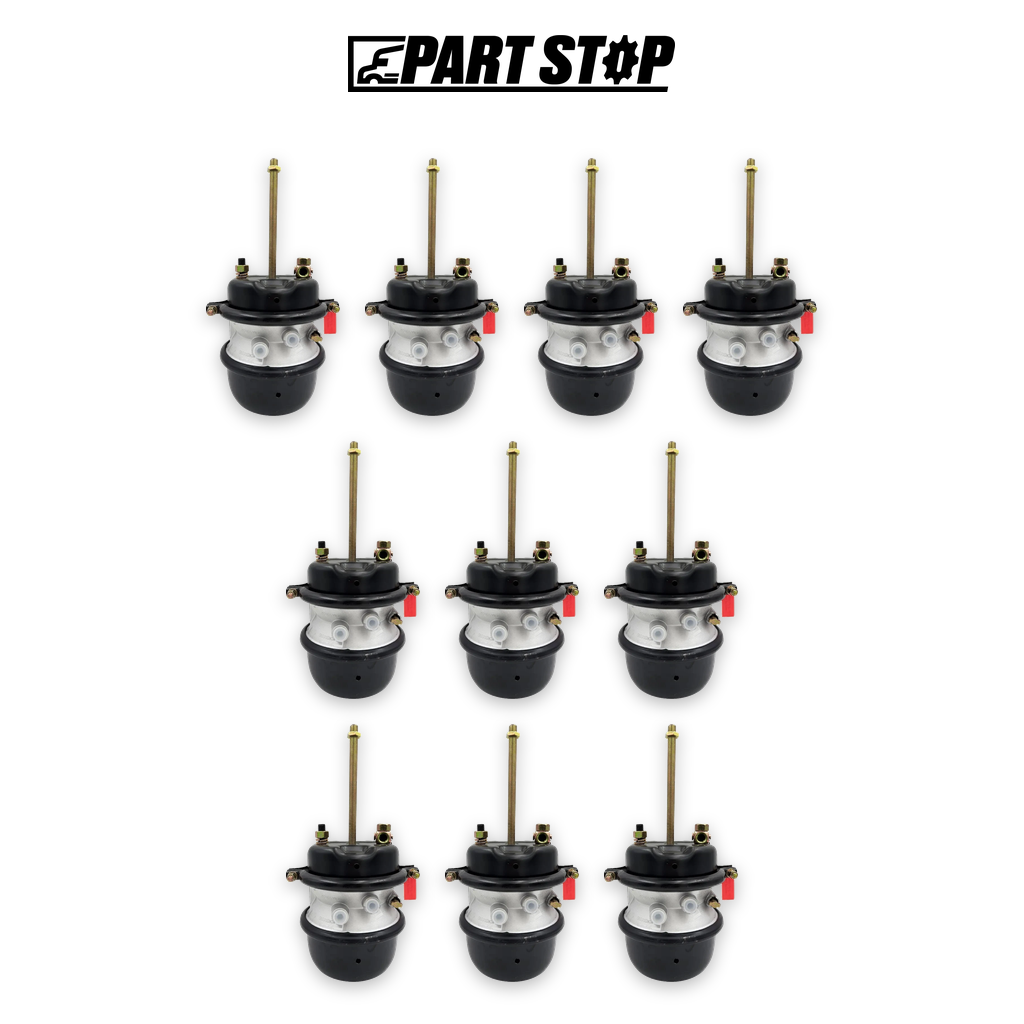
Buy the 10-PackSave 25%
T3030DD 10-Pack Bendix/Haldex Air Brake Chamber for Paccar Volvo Truck
$413.99$447.99
Shop related parts
Premium-quality aftermarket direct replacements — nationwide same-day shipping, 6+ month warranty.
Need the part, not just the reading?
Every part below is a Premium Quality aftermarket Direct Replacement with published OEM cross-reference numbers, a 6+ month warranty and same-business-day shipping from Tacoma, WA. Not sure it fits? Run your VIN — or call and a person who knows trucks will verify fitment before you pay.