
Quick answer
The clearest signs a truck air brake chamber is failing are an audible air leak at the chamber on apply or release, a longer or softer brake pedal, brakes that drag or a rig that pulls to one side, air pressure that bleeds off overnight, visible rust-through, and a pushrod stroke measuring past the adjustment limit at inspection. A torn spring-brake diaphragm can also keep the parking brake from releasing. Replace a failing chamber as a complete unit, in pairs on the same axle, and never open a spring brake.
A chamber almost never dies without warning. The trouble is the warnings are easy to drive past — until the day the brakes drag, the air bleeds off on a grade, or a diaphragm tears at the worst possible moment.
A brake chamber gives you a heads-up. Most people drive past it
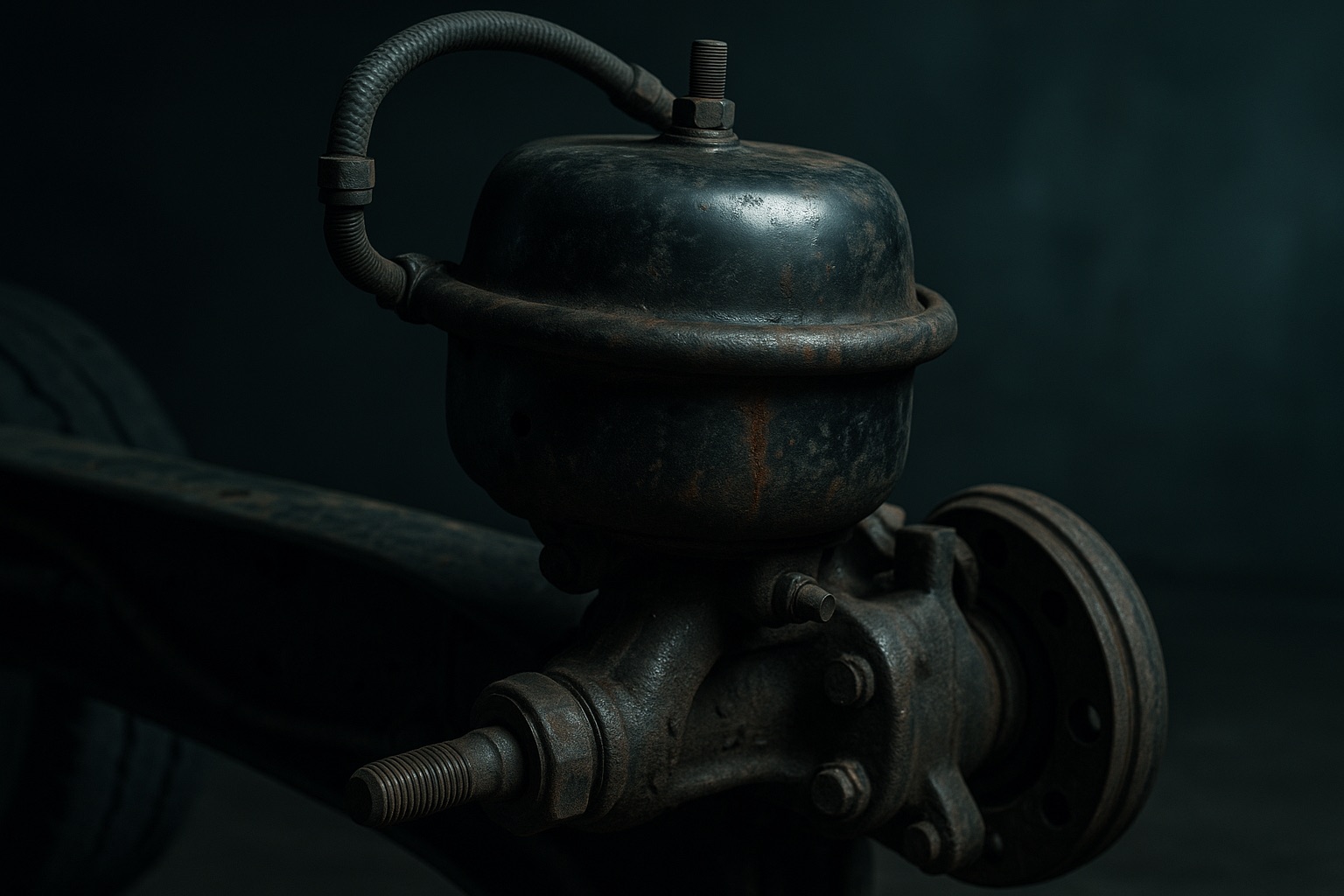
The chamber is the muscle of an air brake — air pushes the diaphragm, the pushrod swings the slack adjuster, the brakes clamp. It's a rubber diaphragm and a big steel spring doing that job thousands of times a day, in road salt, heat and grit. It wears. And unlike a headlight, when it starts to go it usually tells you first.
The problem is the early signs are quiet. A little longer pedal, a faint hiss, brakes that don't feel as sharp as last month. Easy to shrug off on a busy week. But a chamber is the one part where "I'll get to it" ends with a truck that won't stop the way you expected, and that's not a repair bill — that's a wreck.
The signs, in the order they usually show up
- Longer stopping distance or a soft, low pedal — the diaphragm isn't moving the pushrod like it used to.
- A hiss of air when you press or release the brake — a torn or cracked diaphragm leaking through the chamber.
- Brakes that drag, run hot, or a rig that pulls to one side — one chamber is out of adjustment or the spring is sticking.
- Air pressure that bleeds off overnight or won't build — a leaking chamber is a common culprit.
- The parking/spring brake won't fully release, or won't hold on a grade — the spring side is failing.
- Visible rust-through, a split boot, or grease and moisture weeping from the can — corrosion has gotten inside.
- A pushrod stroke that measures past the adjustment limit at the axle — the number a DOT inspector checks first.
By the numbers: why brakes are the violation that matters
This isn't a fringe worry. According to the Commercial Vehicle Safety Alliance (CVSA) — the body that runs North America's roadside inspections — brake-related problems are consistently the largest category of vehicle out-of-service violations found during its annual International Roadcheck. Brake systems and brake adjustment together put more trucks out of service than any other single vehicle issue.
That's why CVSA runs a dedicated Brake Safety Week every year and the ongoing Operation Airbrake program, where inspectors specifically check brake components and measure pushrod stroke. Out-of-adjustment brakes are one of the most frequently cited individual violations they find — and a worn or failing chamber is a common root cause. In other words, the cheap part in this article sits at the center of the most common reason trucks get pulled from service.
Why an out-of-adjustment chamber is the one that bites
Brakes are supposed to stay in adjustment on their own — that's what the automatic slack adjuster is for. When a chamber's diaphragm gets tired, the pushrod has to travel farther to do the same work, and eventually it travels past the point where the brake makes full contact. That's "out of adjustment," and it's the single most common brake violation written up at a roadside inspection.
Here's the part people miss: out-of-adjustment brakes on one axle don't just cost you that axle. They throw off the balance of the whole rig. The good brakes do more work, get hotter, fade sooner — and now a hard stop or a long downgrade is happening with less brake than the truck was designed to have. That's how a slow-failing $40 part turns into brake fade at the bottom of a hill.
What actually makes a chamber fail early
Age and cycles do most of it — a diaphragm folds and unfolds millions of times and eventually cracks at the fold. But plenty of chambers die young, and it's almost always one of these:
- Moisture in the air system — a wet tank rusts the chamber from the inside. A working air dryer is the cheapest brake insurance there is.
- Road salt and corrosion eating the housing and the clamp band from the outside.
- A torn or missing dust boot letting grit and water at the pushrod and the non-pressure side.
- Running the wrong stroke or type after a past repair, so the chamber was working out of its range from day one.
- Heat cycling from brakes that were already dragging — a failing chamber can cook its neighbor.
Never open a spring brake — and here's the honest reason
The double-diaphragm chambers on your drives and trailer axles have a big coil spring inside that sets the parking brake. That spring stores enough energy to put a steel cap through a person. Every year it hurts someone who tried to take one apart in a driveway.
So the rule is simple and it isn't negotiable: you don't cut one open and you don't rebuild it. You replace the complete assembly. Caging the spring to remove the unit is a controlled procedure with the right tool — if you're not set up for it, that's the line where you hand it to a shop.
Replace in pairs, and keep the spares on the shelf
The two chambers on an axle have lived the exact same miles. If one tore from old age, the other one is on the same clock — do both sides at once and the braking stays even. Chasing them one at a time gets you a second breakdown a month later and a truck that pulls in between.
Fleets that don't get caught out keep a couple of each chamber on the shelf. A diaphragm that lets go is a twenty-minute swap when the part is in the parts room, and a parked truck waiting on freight when it isn't.
Get the right one on the first order
A chamber is cheap for what it does, and every major brand crosses to the same type and stroke, so the only thing that matters is matching the number on the old can. Read us the stamp — a 30/30, long or short stroke — or send the VIN, and we'll match it. PartStop stocks all three chamber types as premium-quality aftermarket direct replacements, cross-referenced to Bendix, Haldex and Meritor, with a 6+ month warranty and same-day shipping from Tacoma. Buy them in 2-, 4- or 10-packs and the shelf stays stocked for less.
Frequently asked questions
How long do air brake chambers last?
It depends on duty and climate, not a fixed mileage — a linehaul tractor is easy on chambers while a stop-and-go or heavy-haul rig cycles them far more, and road salt and moisture shorten life. Inspect on every PM and replace on condition (stroke near the limit, any leak, rust, or a failed partner on the same axle) rather than by a set interval.
Should I replace both air brake chambers on an axle at once?
Yes. The two chambers on an axle have the same miles and age, so when one fails the other is close behind. Replacing both keeps the braking balanced and avoids a second breakdown a month later.
How fast does PartStop ship?
In-stock orders placed before the daily cutoff ship the same business day (Monday–Saturday) from Tacoma, WA. Standard delivery typically takes ~3 business days, free on orders over $100; overnight is available on most items as an expedite surcharge (2× the standard rate, or $50–$350 by order value when standard ships free).
In stock at PartStop
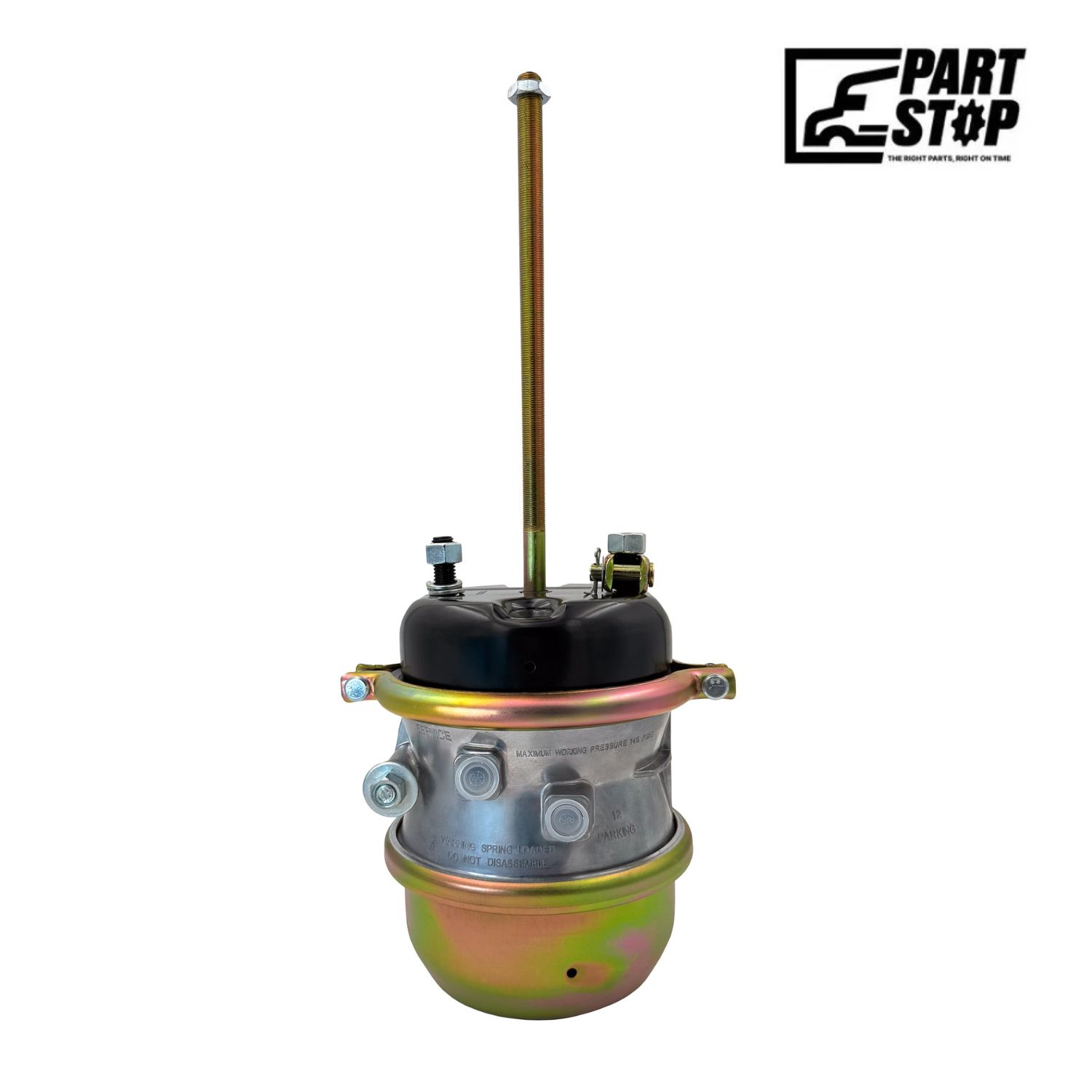
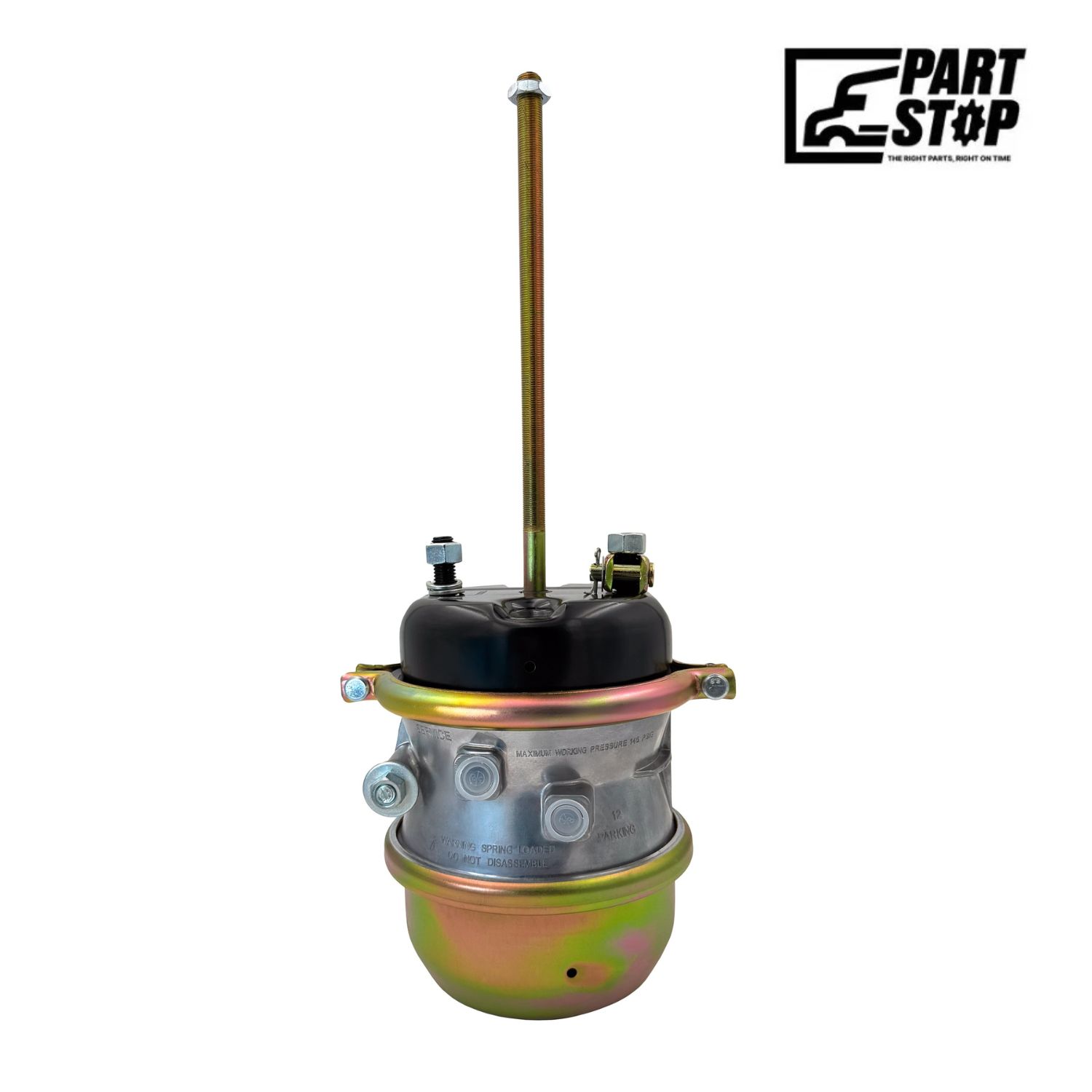
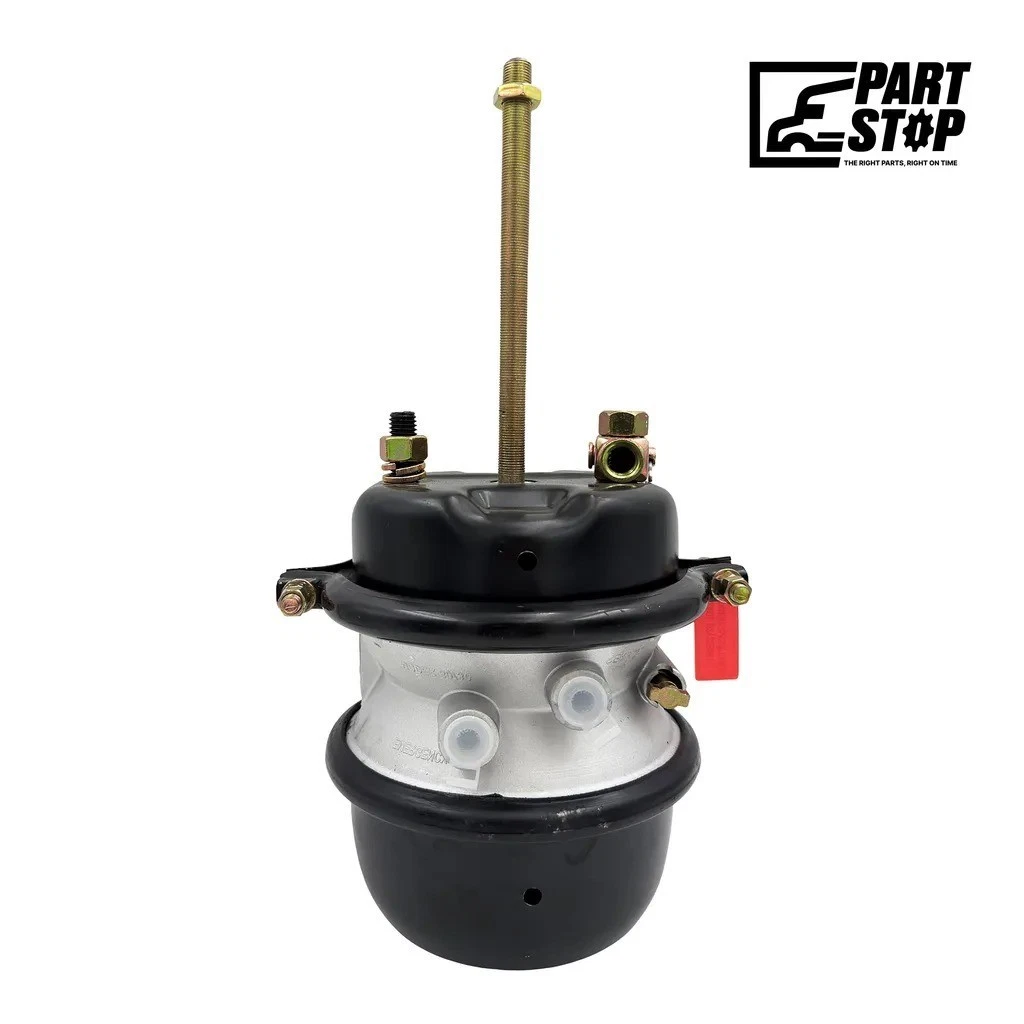
Shop these air brake chambers
Premium-quality aftermarket direct replacements — cross-referenced to Bendix, Haldex and Meritor. Same-day shipping from Tacoma, 6+ month warranty.
Fleet pricing
Running a fleet? Buy in packs and save
Chambers are a wear item — stock the shelf and a torn diaphragm is a quick swap, not a parked truck. 2-, 4- and 10-packs drop the per-unit price.
Also Available As a Deal
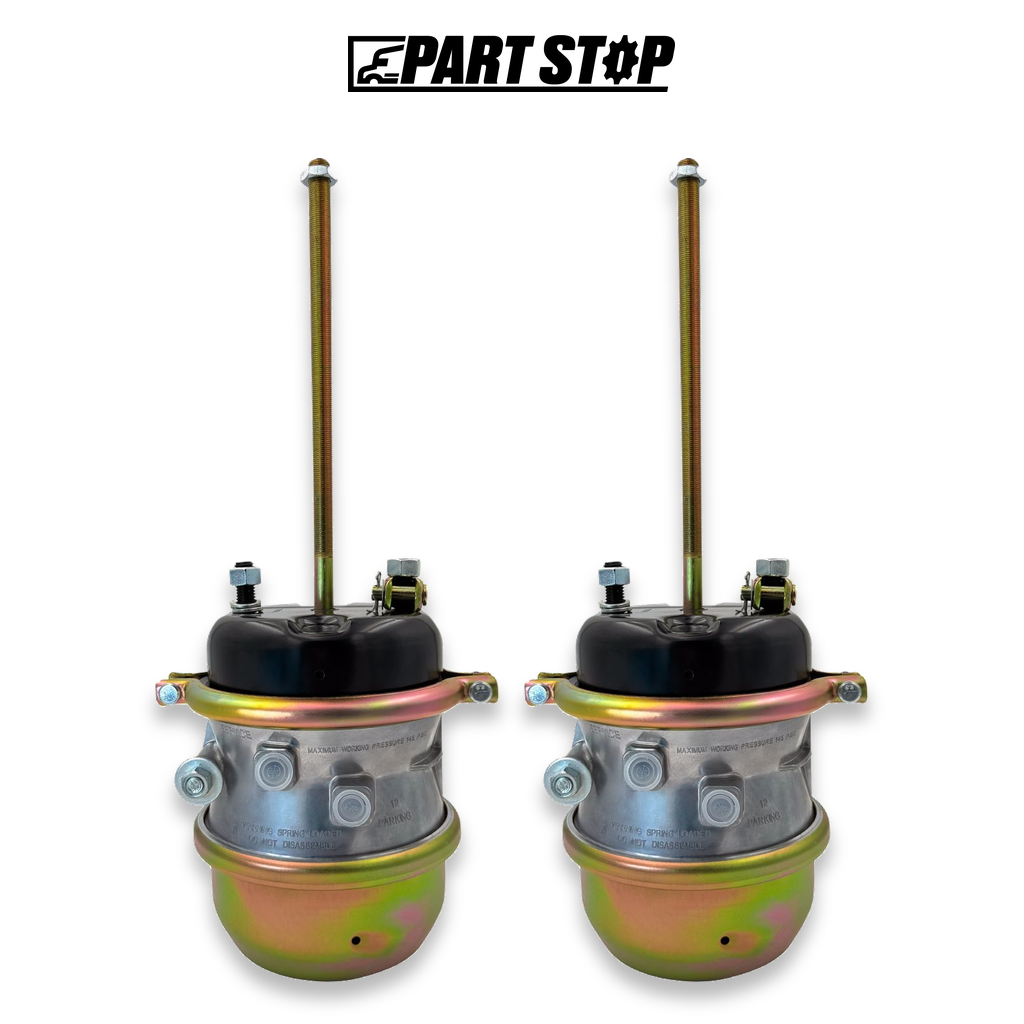
Buy the 2-PackSave 15%
NT3030ELS80 2-Pack Spring Air Brake Chamber Long for Freightliner FL112
$131.99$141.16
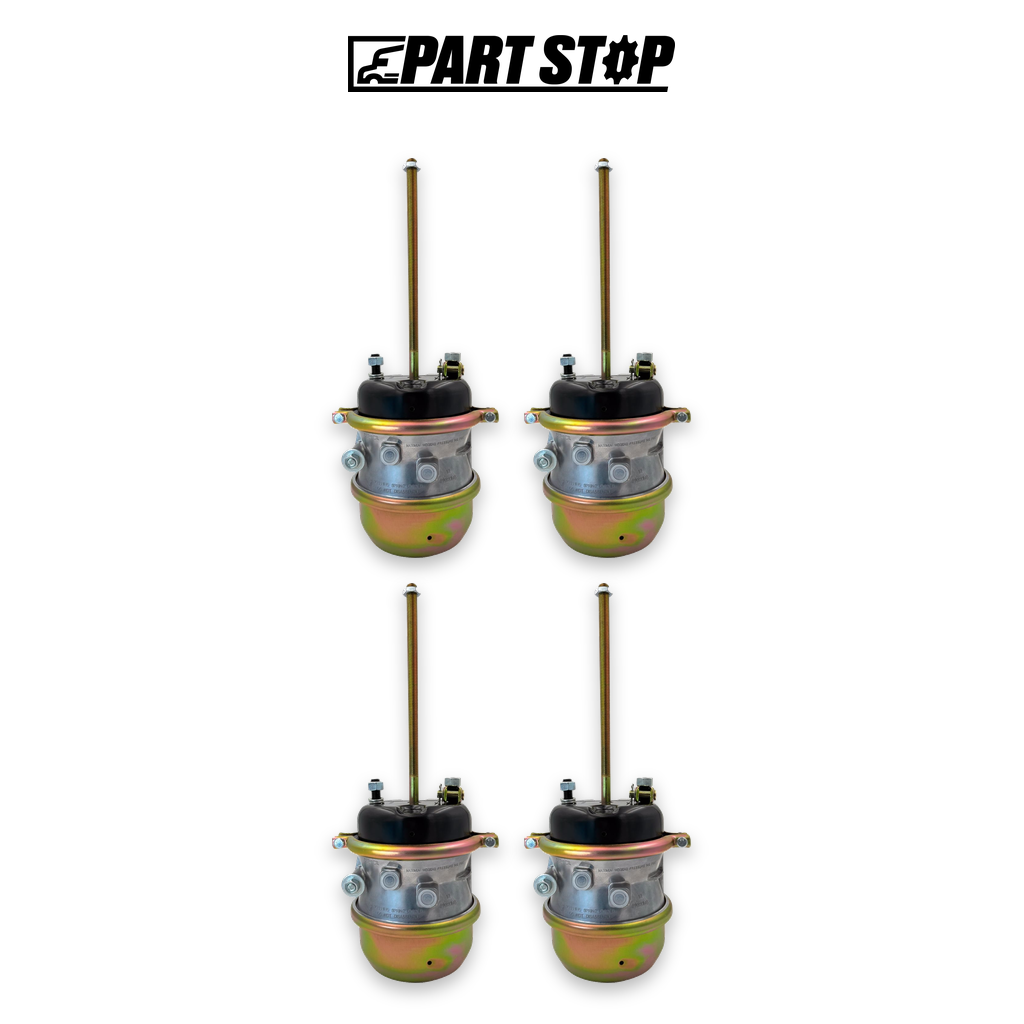
Buy the 4-PackSave 20%
NT3030ELS80 4-Pack Spring Air Brake Chamber Long for Freightliner FL112
$249.99$299.99
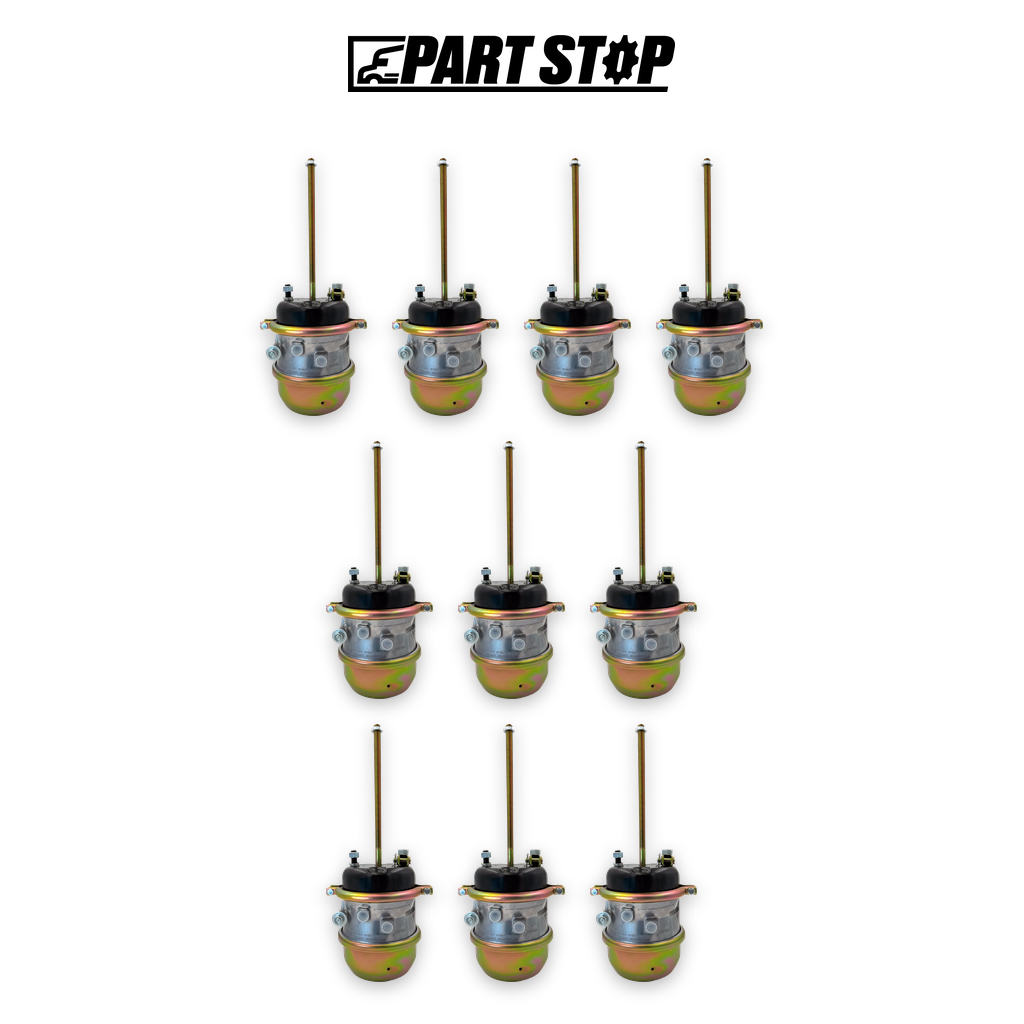
Buy the 10-PackSave 25%
NT3030ELS80 10-Pack Spring Air Brake Chamber Long for Freightliner FL112
$404.99$532.00
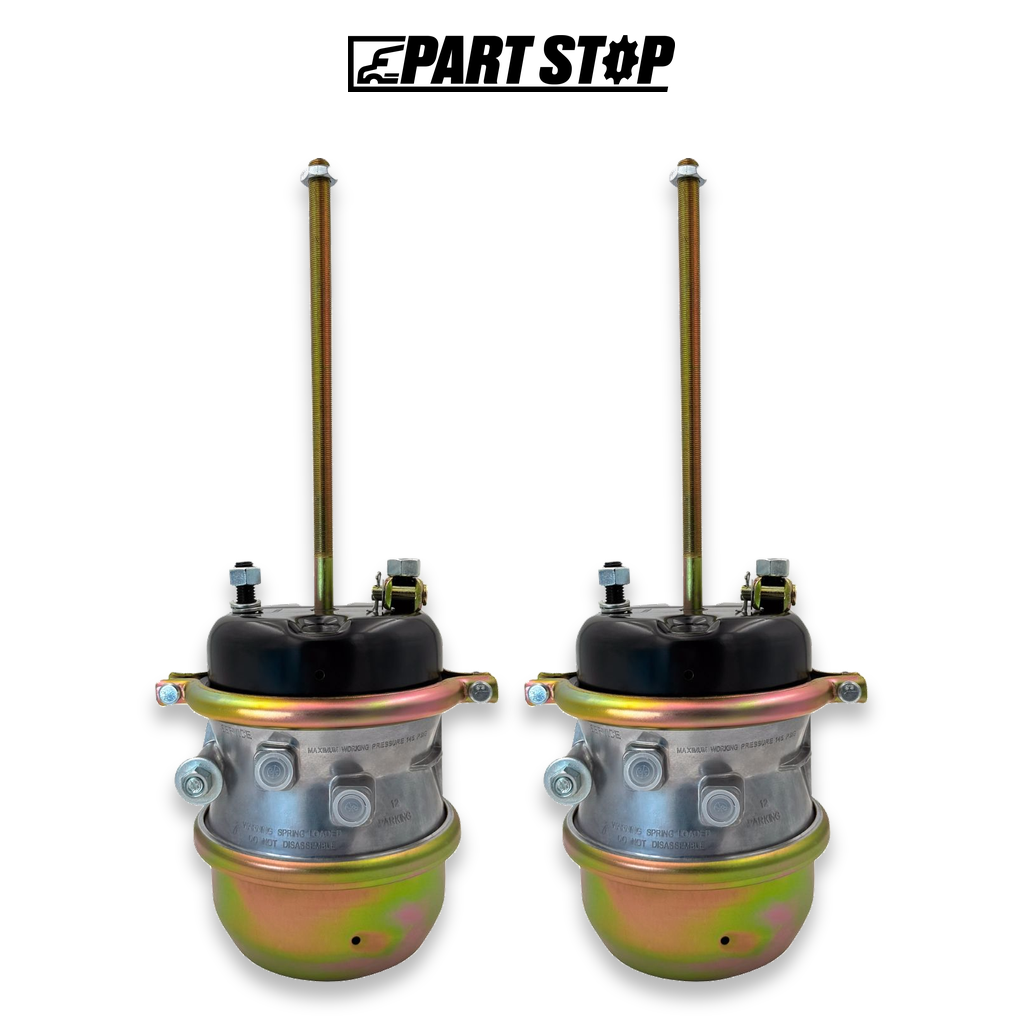
Buy the 2-PackSave 15%
T3030SHRT 2-Pack Air Brake Chamber Short Stroke for Freightliner FL112
$142.34
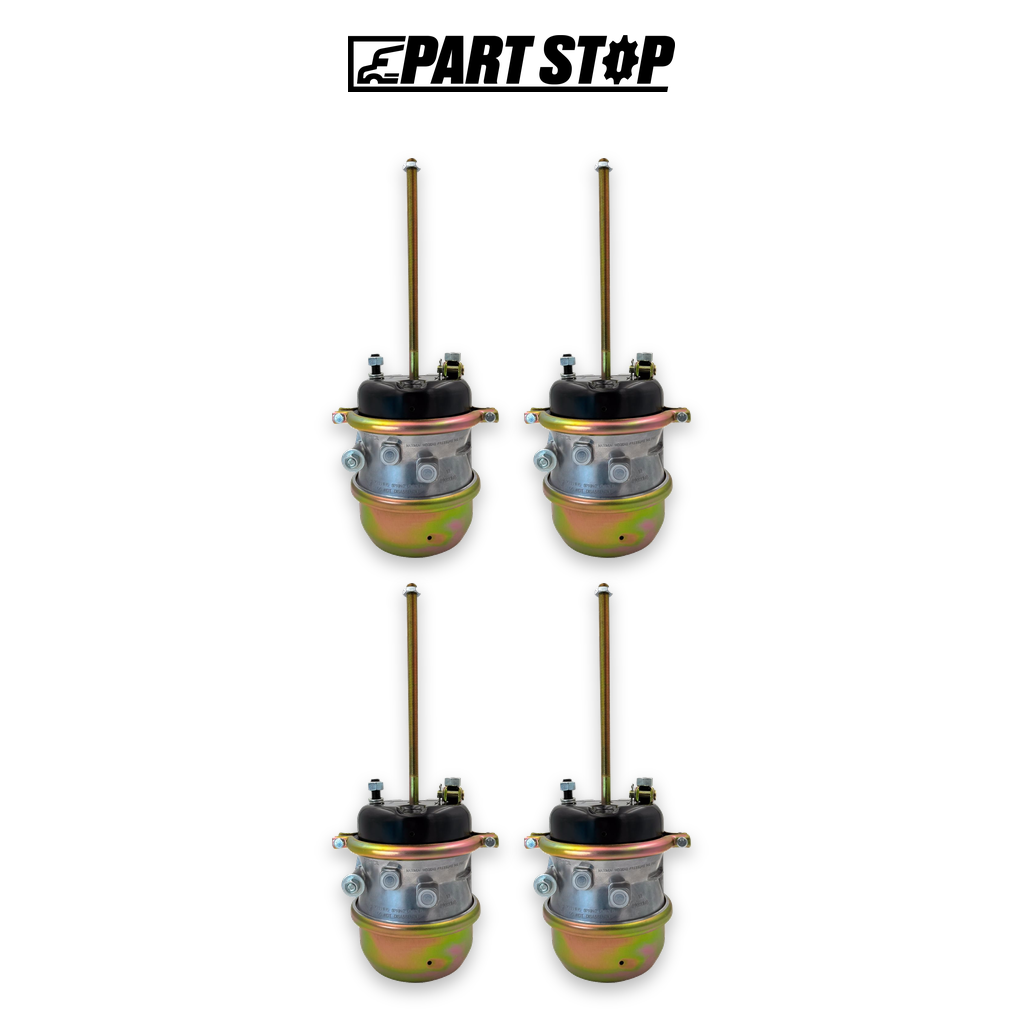
Buy the 4-PackSave 20%
T3030SHRT 4-Pack Air Brake Chamber Short Stroke for Freightliner FL112
$284.98$297.50
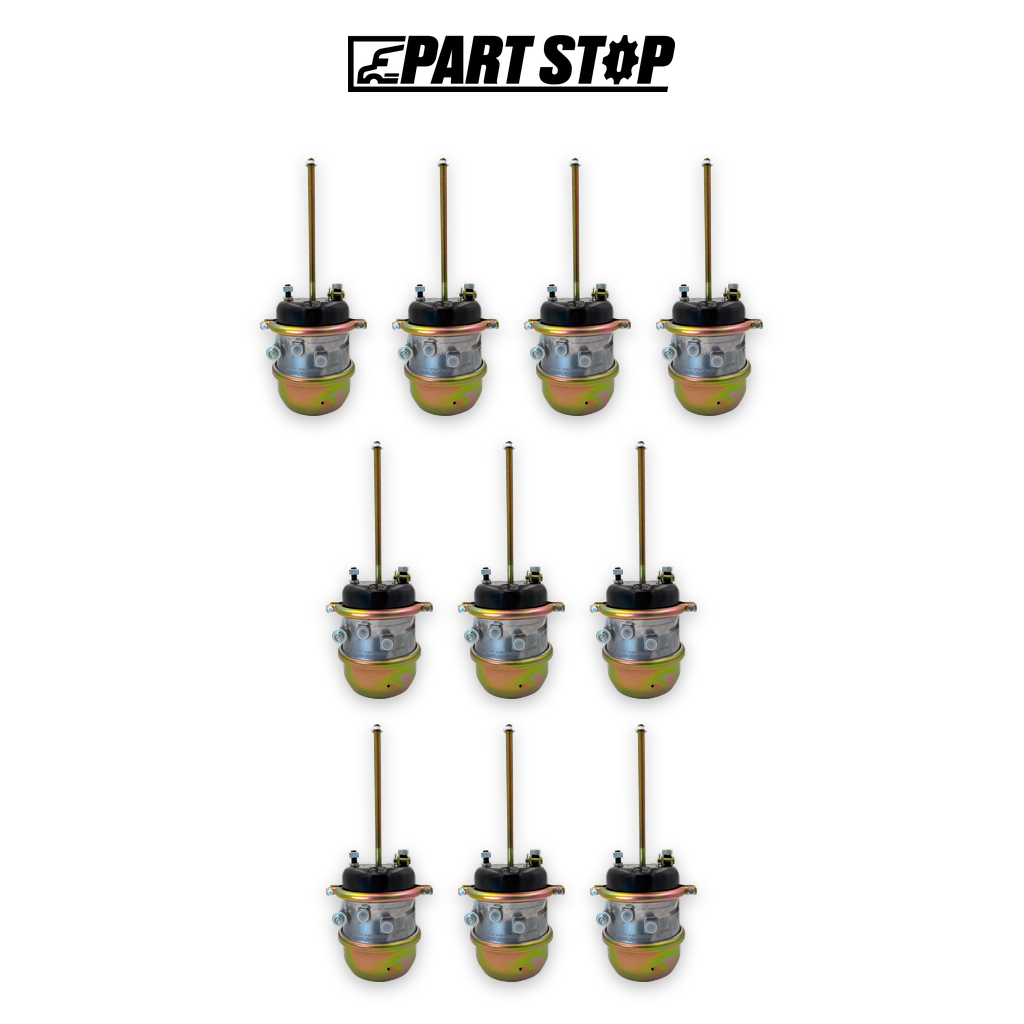
Buy the 10-PackSave 25%
T3030SHRT 10-Pack Air Brake Chamber Short Stroke for Freightliner FL112
$414.86$532.00
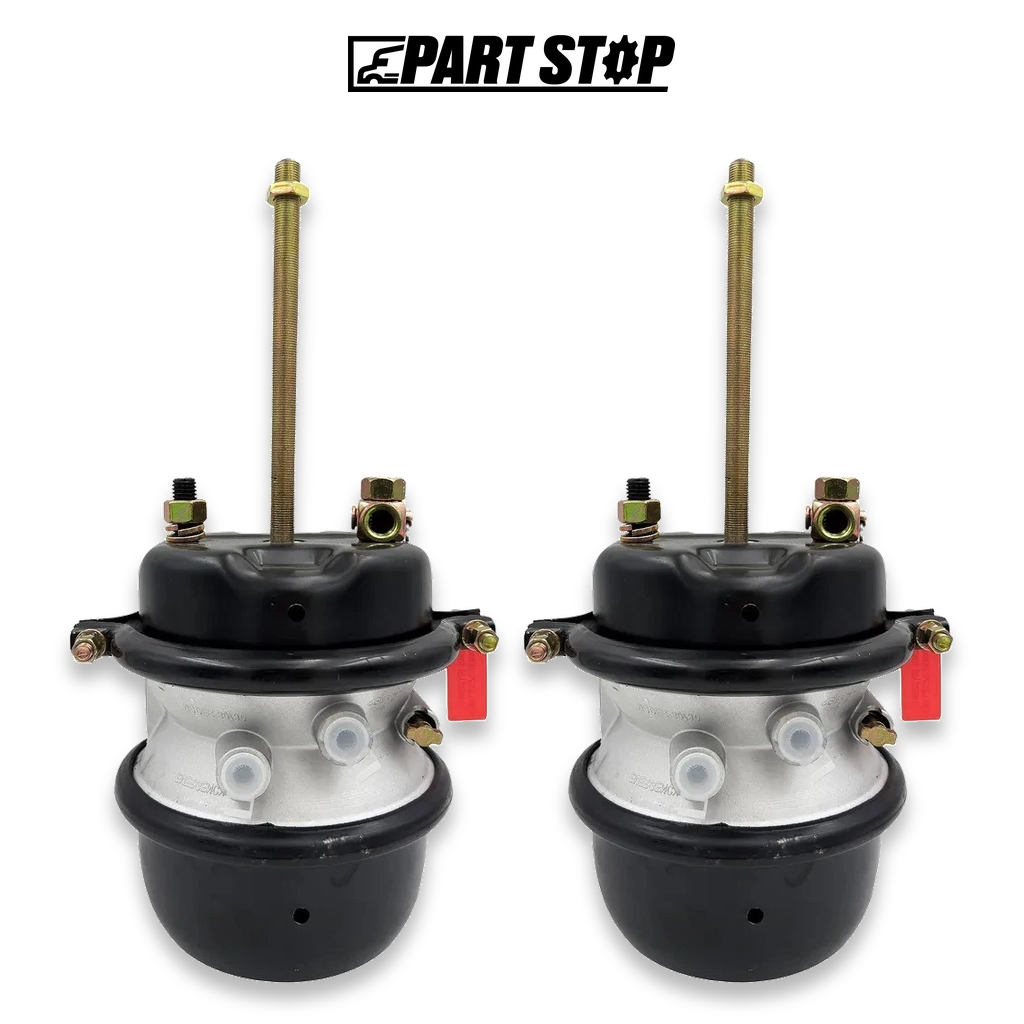
Buy the 2-PackSave 15%
T3030DD 2-Pack Bendix/Haldex Air Brake Chamber for Paccar Volvo Truck
$140.99$159.99
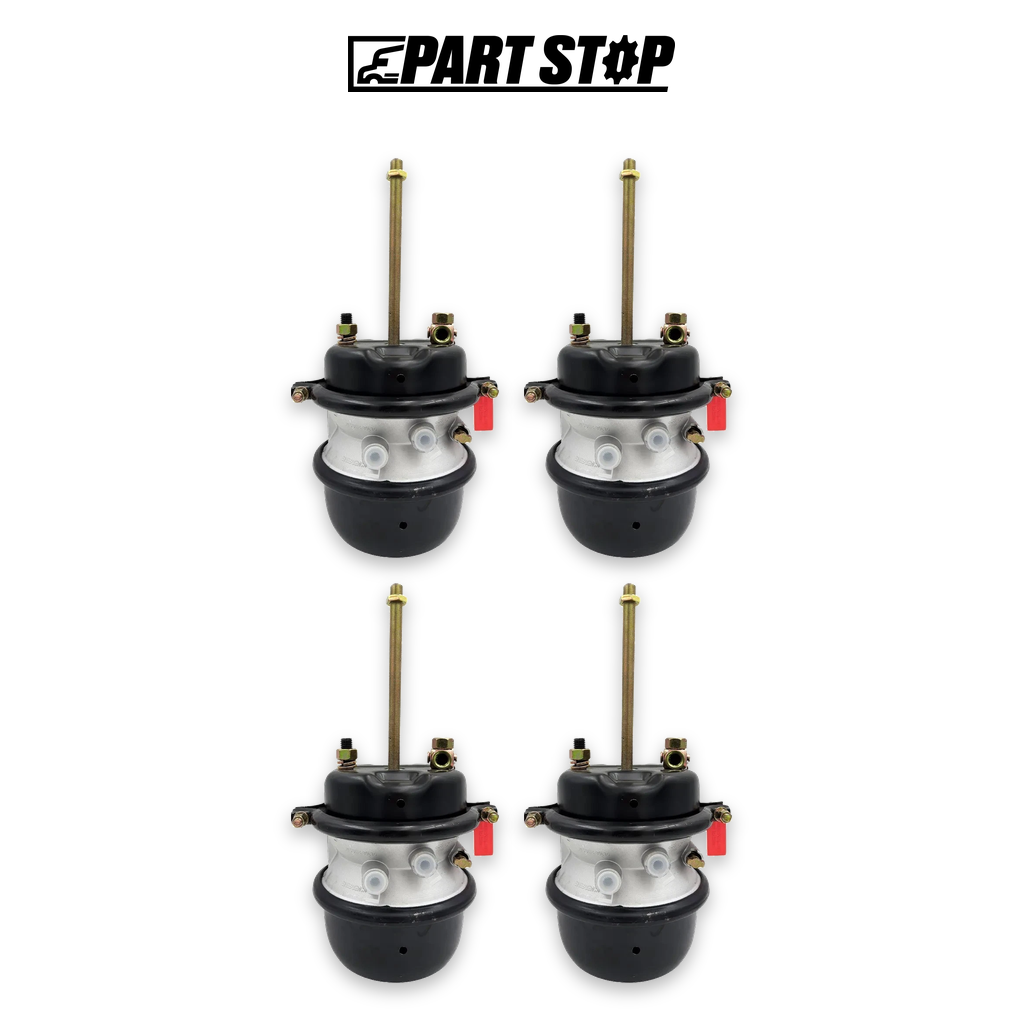
Buy the 4-PackSave 20%
T3030DD 4-Pack Bendix/Haldex Air Brake Chamber for Paccar Volvo Truck
$266.99$319.99
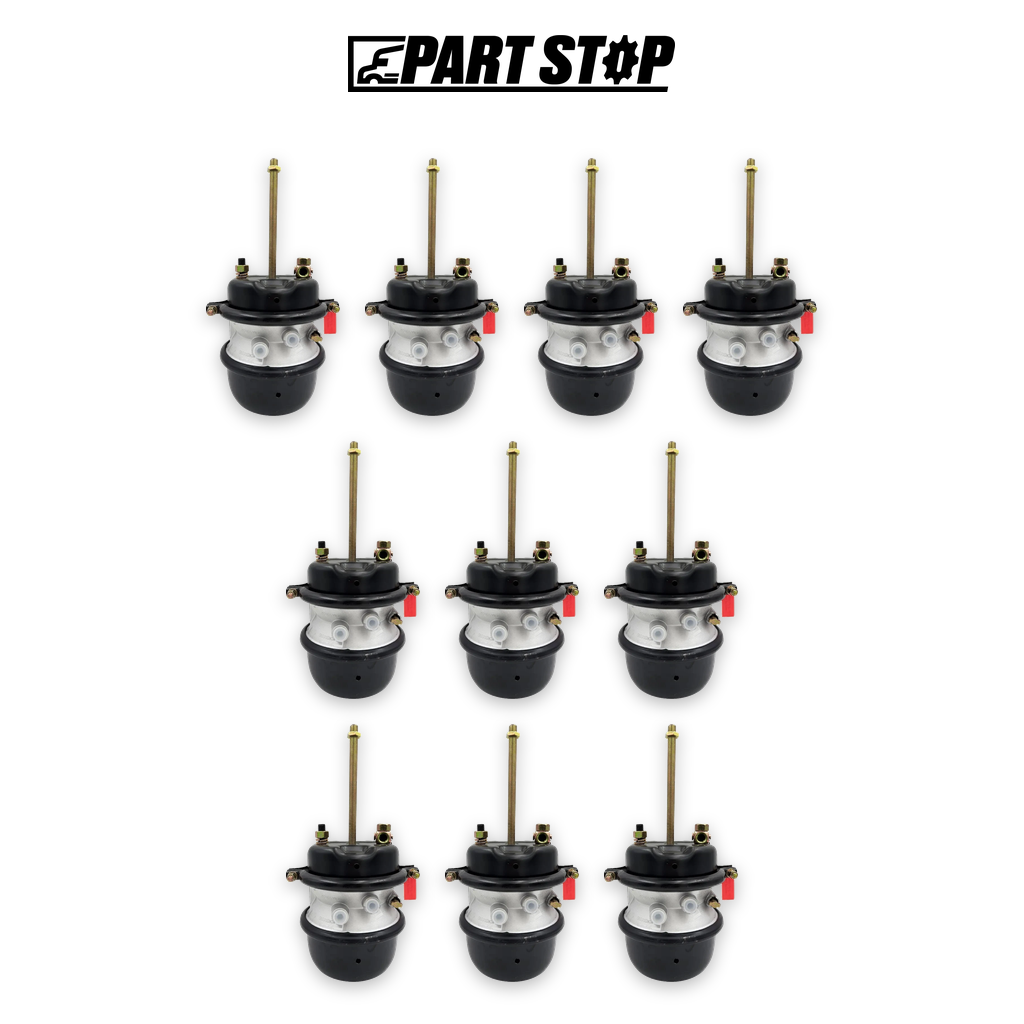
Buy the 10-PackSave 25%
T3030DD 10-Pack Bendix/Haldex Air Brake Chamber for Paccar Volvo Truck
$413.99$447.99
Shop related parts
Premium-quality aftermarket direct replacements — nationwide same-day shipping, 6+ month warranty.
Need the part, not just the reading?
Every part below is a Premium Quality aftermarket Direct Replacement with published OEM cross-reference numbers, a 6+ month warranty and same-business-day shipping from Tacoma, WA. Not sure it fits? Run your VIN — or call and a person who knows trucks will verify fitment before you pay.