
Quick answer
There is no fixed mileage for replacing air brake chambers — replace on condition, not a schedule. A linehaul tractor is easy on chambers while stop-and-go, heavy-haul, and salt/moisture shorten their life. Inspect on every PM and replace when pushrod stroke creeps toward the adjustment limit, any air leak appears, the housing rusts through, the boot tears, or one chamber on an axle fails (its partner has the same miles). Fleets stock a small spare inventory of their most-used chambers so a failure is a shelf swap, not a road call.
Waiting for a chamber to fail is a roadside call and a bad day. Replacing on a plan is a shelf swap at the yard. Here's how to think about chamber life and build a schedule that fits your miles.
There's no single mileage number — and that's the point
People want a clean answer like "replace at 300,000 miles," and there isn't one. A chamber's life depends on how the truck is worked: a linehaul tractor that mostly cruises is easy on its chambers; a stop-and-go regional or a heavy-haul rig cycles them far more. Climate matters too — road salt and moisture age a chamber faster than dry miles do.
So the right answer isn't a number, it's a habit: inspect on every PM, replace on condition, and stage the predictable ones so you're never caught with a torn diaphragm and an empty shelf.
What actually tells you it's time
- Pushrod stroke creeping toward the adjustment limit even after the slack adjuster does its job.
- Any air leak from the chamber on apply or release — a diaphragm starting to go.
- Visible rust-through, a weeping clamp band, or a torn dust boot.
- One chamber on an axle failed — its partner has the same miles and is next.
- The truck's coming up on a major brake job anyway — do the chambers while it's apart.
Replace in pairs and in batches
Two chambers on the same axle lived the same life. When one goes from age, do both — it keeps the braking balanced and saves you a second teardown a month later. And if you run a fleet of similar trucks, they wear on a similar curve. When one truck starts eating chambers, the others in that class aren't far behind. Batch the parts order and you get pack pricing and a stocked shelf at the same time.
Build the shelf around your failure pattern
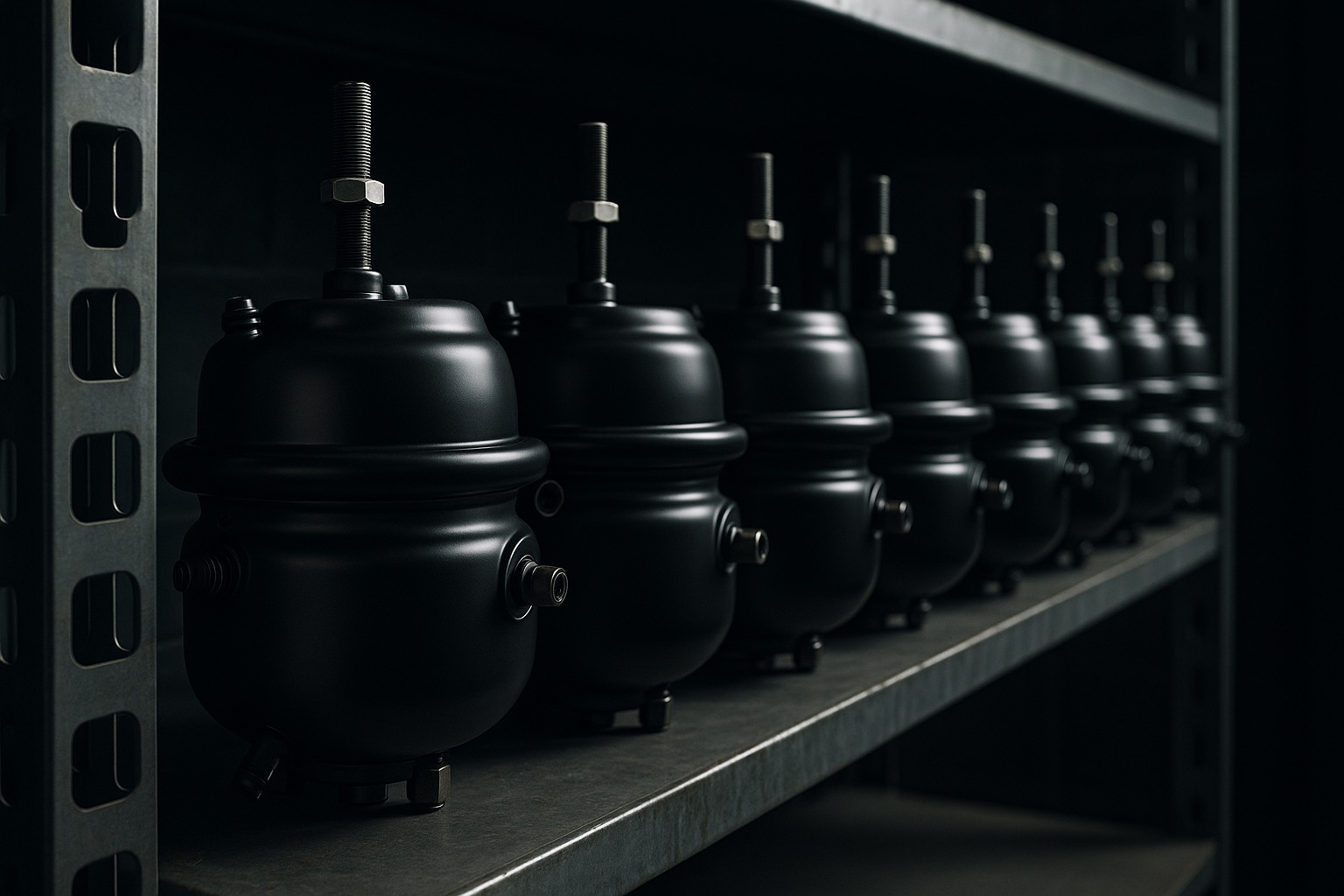
The cheapest chamber replacement is the one that's already in the parts room. Track which chambers your fleet actually burns — usually the drive-axle 30/30 long stroke and the trailer 30/30 — and keep a small stock of each. A torn diaphragm becomes a twenty-minute swap at the yard instead of a truck parked hundreds of miles out waiting on freight. That gap is the whole cost argument for preventive stocking.
Stock smart with PartStop
PartStop stocks long stroke, short stroke and double-diaphragm chambers as premium-quality aftermarket direct replacements — cross-referenced to Bendix, Haldex and Meritor, matched to the number on your old can or your VIN, 6+ month warranty, same-day shipping from Tacoma. The 2-, 4- and 10-packs are built for exactly this: keeping the fleet's most-used chambers on the shelf for less per unit.
Frequently asked questions
How often should air brake chambers be replaced?
On condition, not a set interval. Inspect at every PM and replace when stroke approaches the adjustment limit, the chamber leaks or rusts, or its axle partner fails. Duty cycle and climate drive the timing far more than mileage does.
Should I replace brake chambers in pairs?
Yes. The two chambers on an axle share the same miles and age, so when one fails from wear the other is close behind. Doing both keeps the braking balanced and avoids a second teardown soon after.
In stock at PartStop
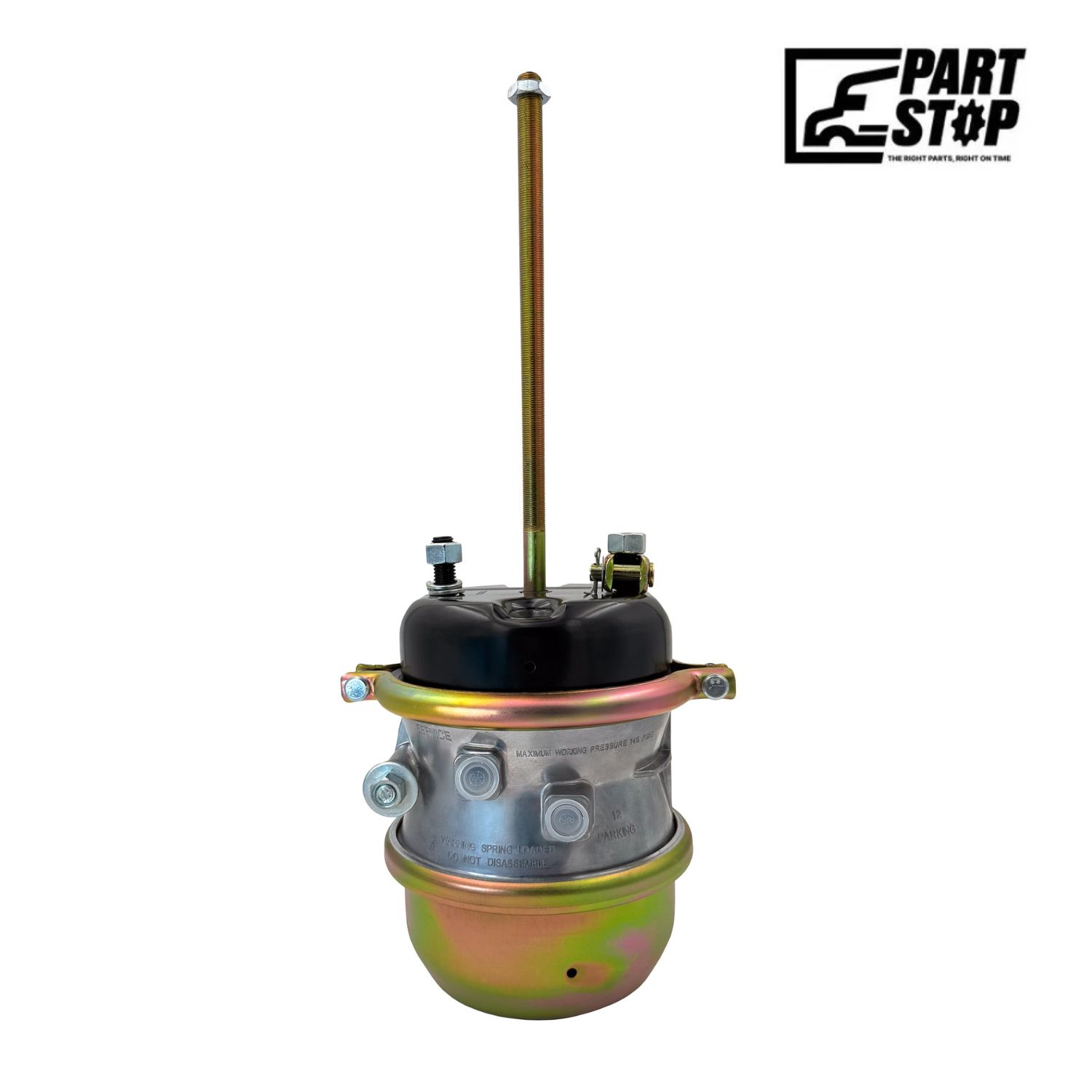
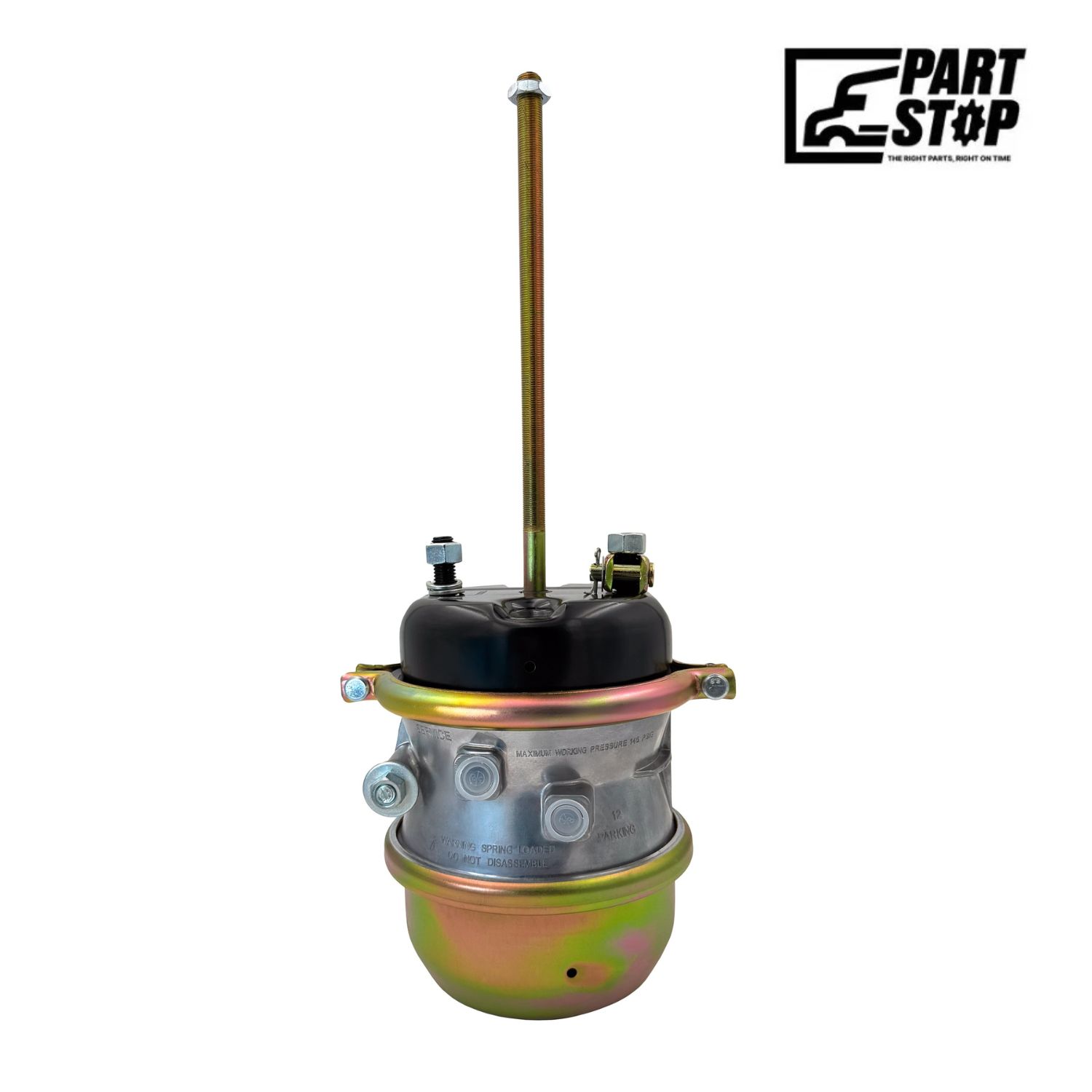
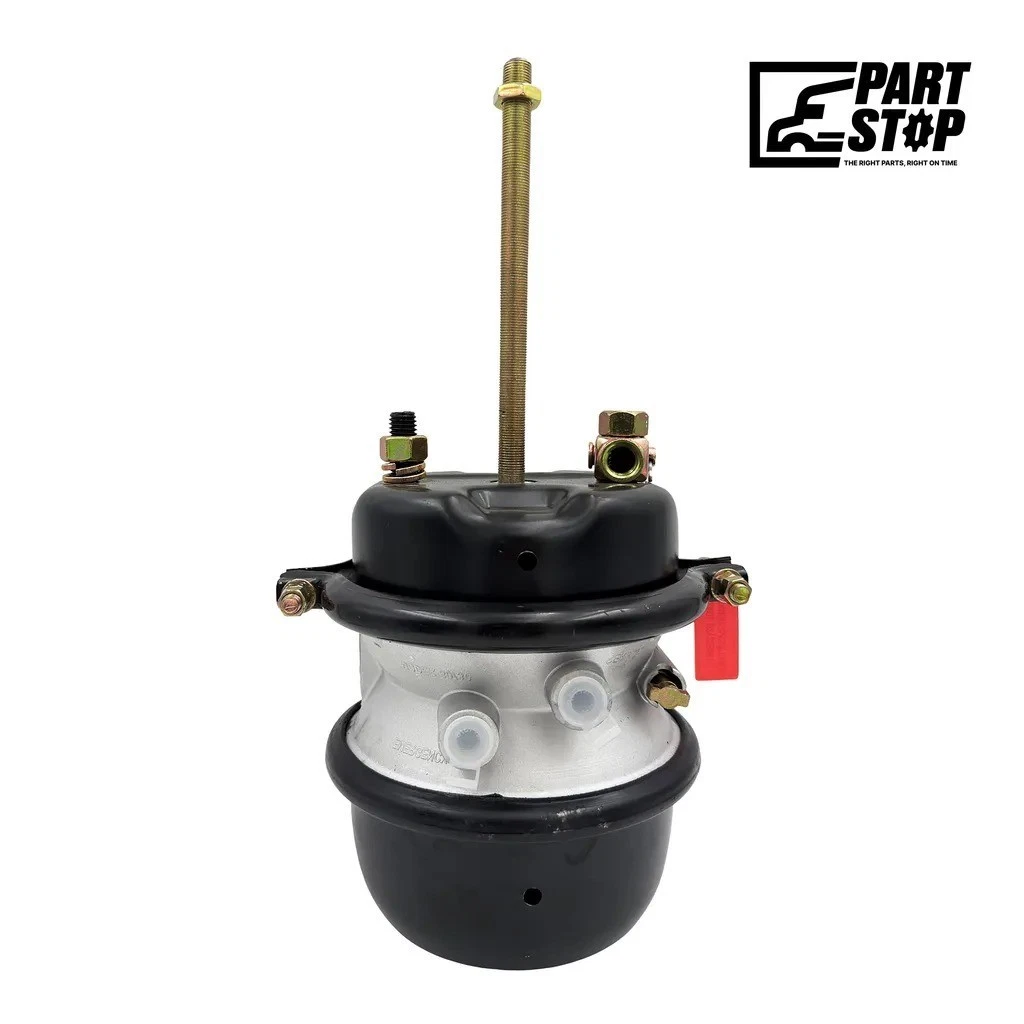
Shop these air brake chambers
Premium-quality aftermarket direct replacements — cross-referenced to Bendix, Haldex and Meritor. Same-day shipping from Tacoma, 6+ month warranty.
Fleet pricing
Running a fleet? Buy in packs and save
Chambers are a wear item — stock the shelf and a torn diaphragm is a quick swap, not a parked truck. 2-, 4- and 10-packs drop the per-unit price.
Also Available As a Deal
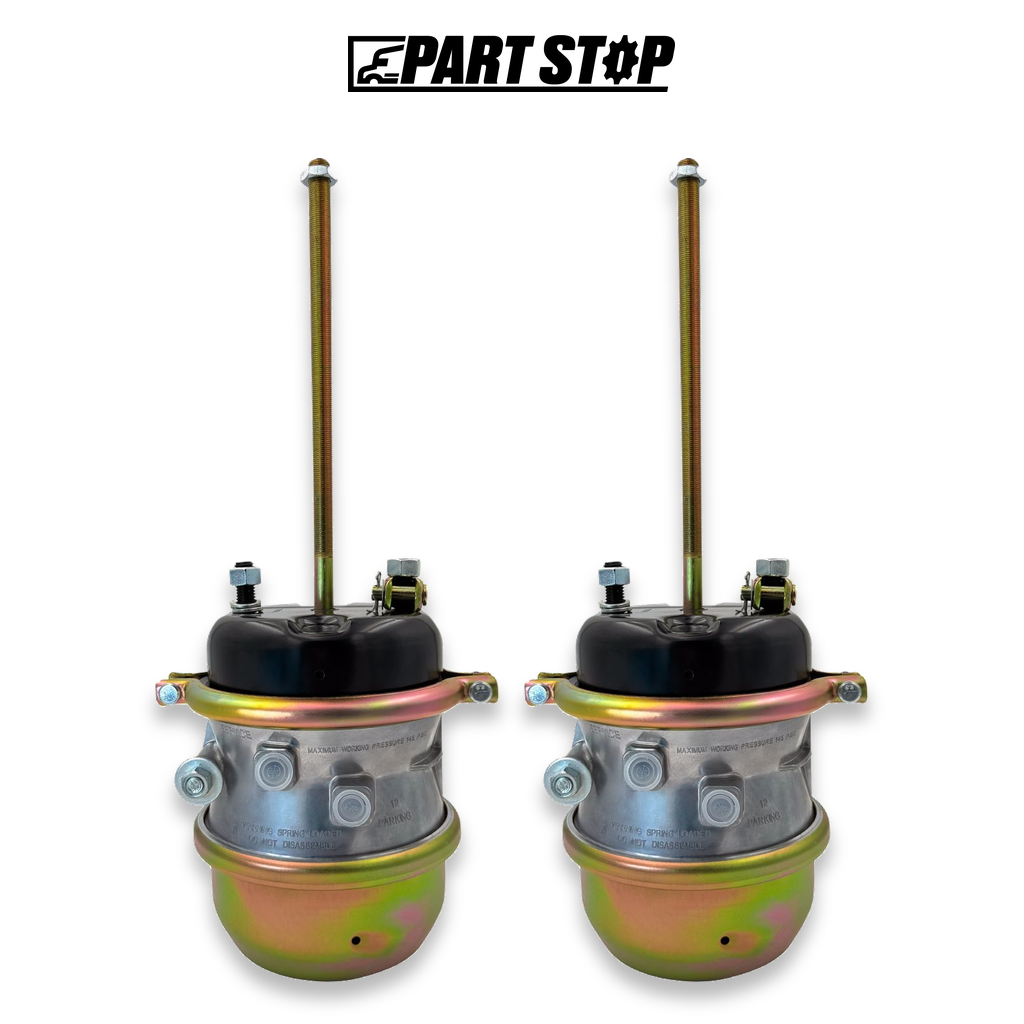
Buy the 2-PackSave 15%
NT3030ELS80 2-Pack Spring Air Brake Chamber Long for Freightliner FL112
$131.99$141.16
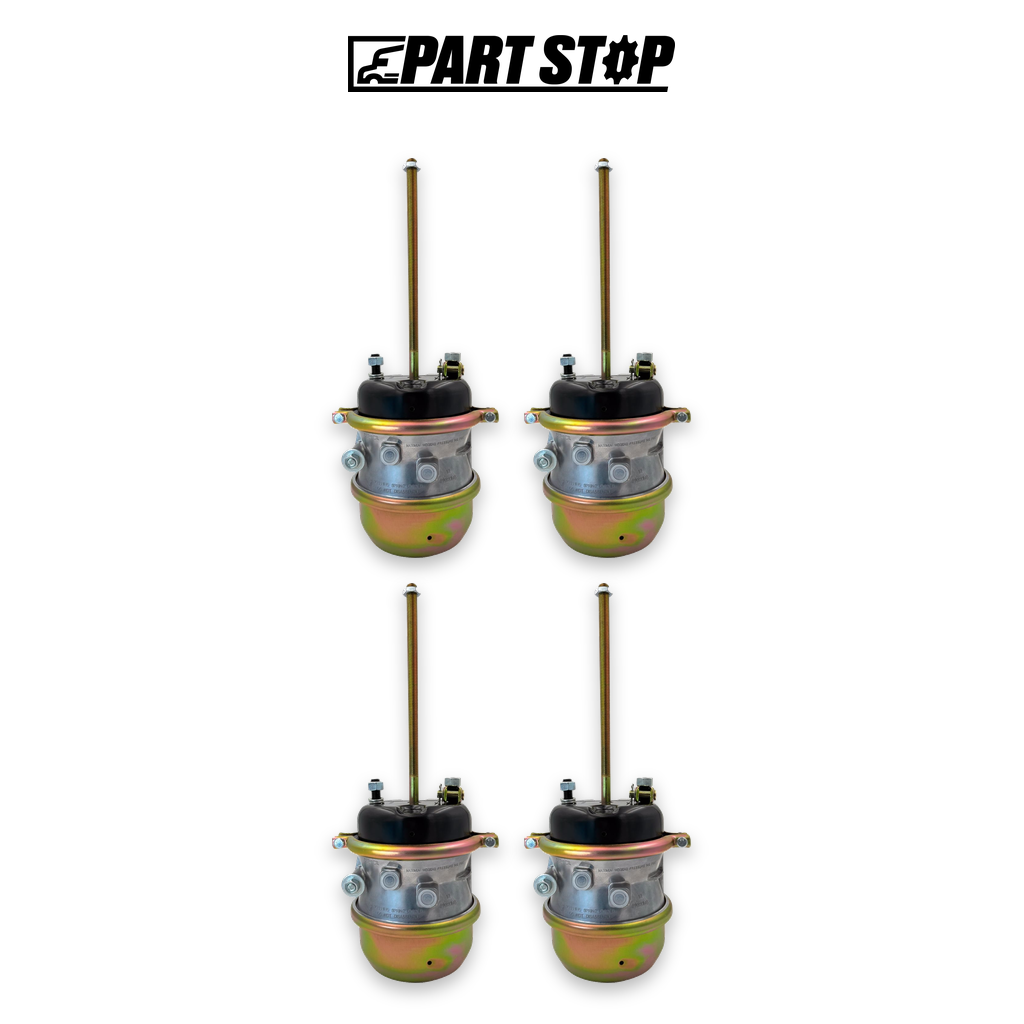
Buy the 4-PackSave 20%
NT3030ELS80 4-Pack Spring Air Brake Chamber Long for Freightliner FL112
$249.99$299.99
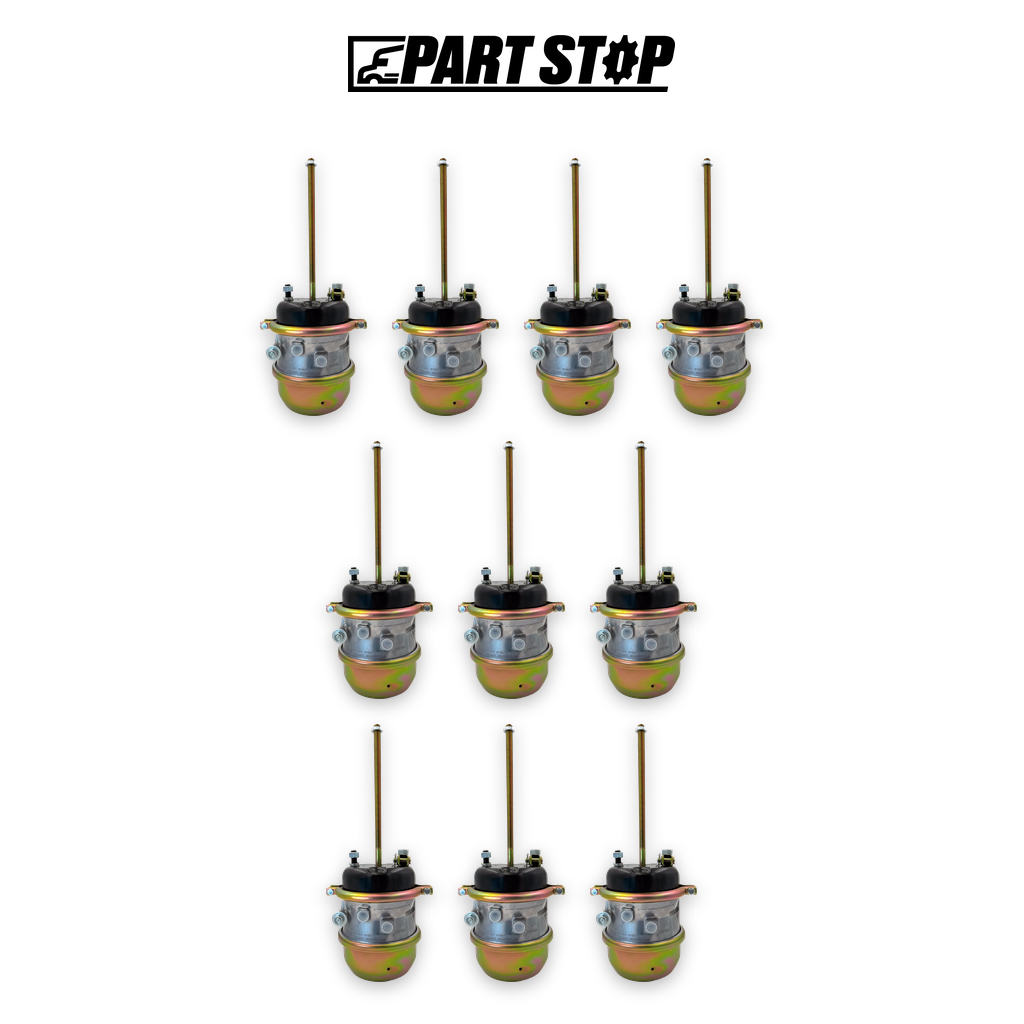
Buy the 10-PackSave 25%
NT3030ELS80 10-Pack Spring Air Brake Chamber Long for Freightliner FL112
$404.99$532.00
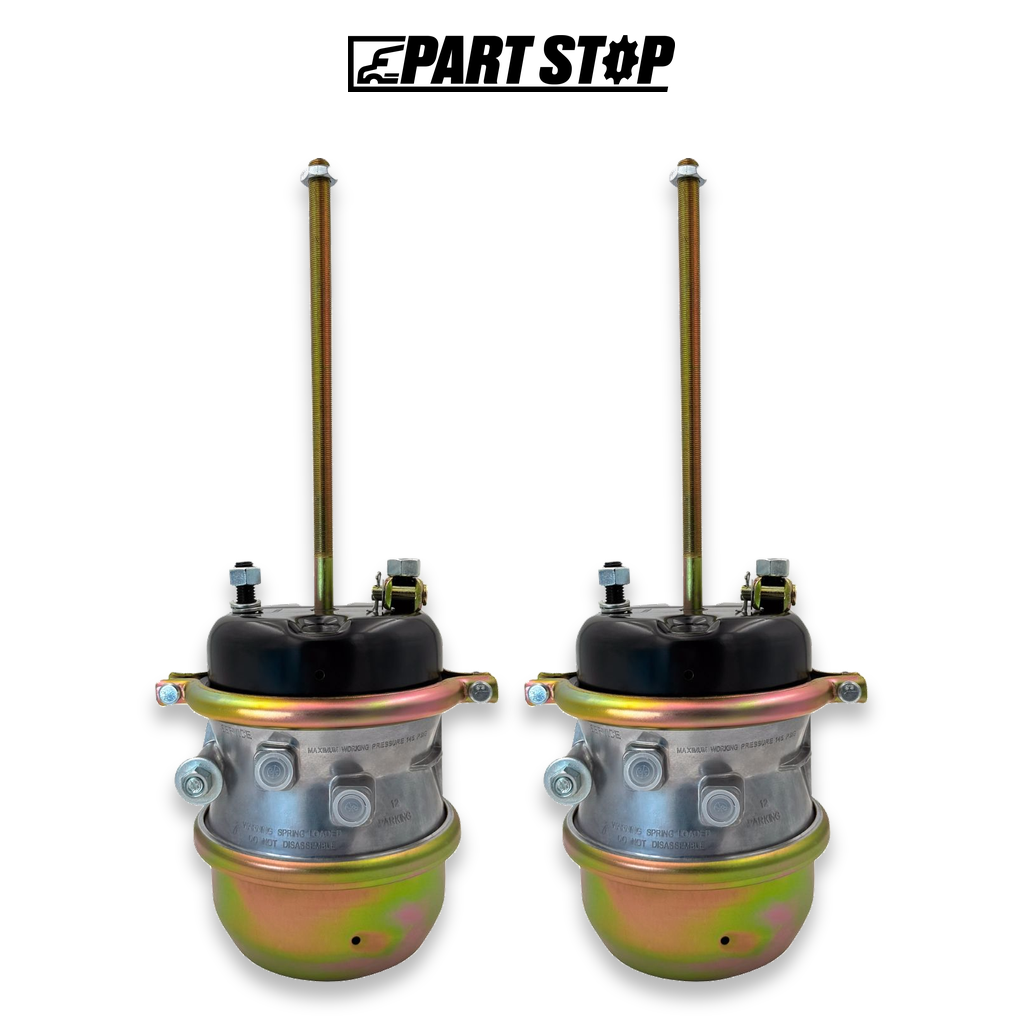
Buy the 2-PackSave 15%
T3030SHRT 2-Pack Air Brake Chamber Short Stroke for Freightliner FL112
$142.34
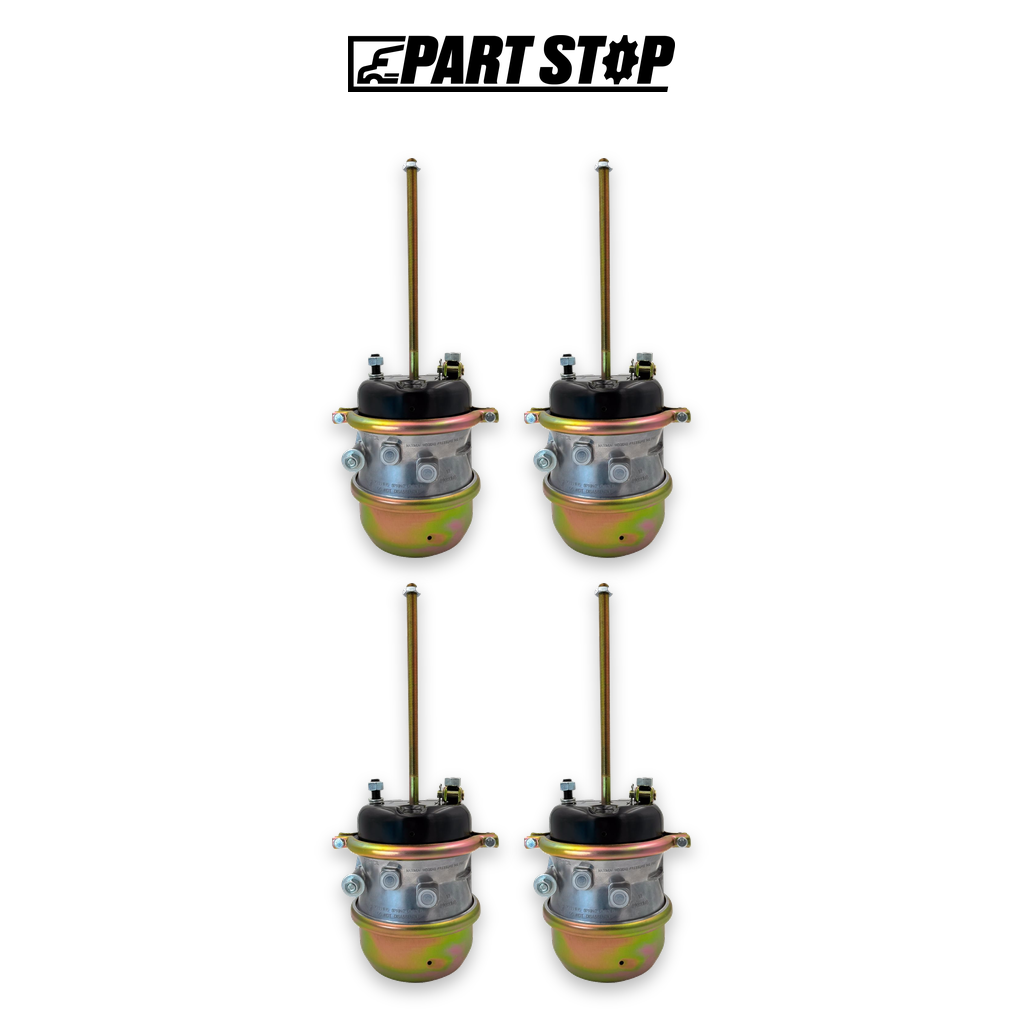
Buy the 4-PackSave 20%
T3030SHRT 4-Pack Air Brake Chamber Short Stroke for Freightliner FL112
$284.98$297.50
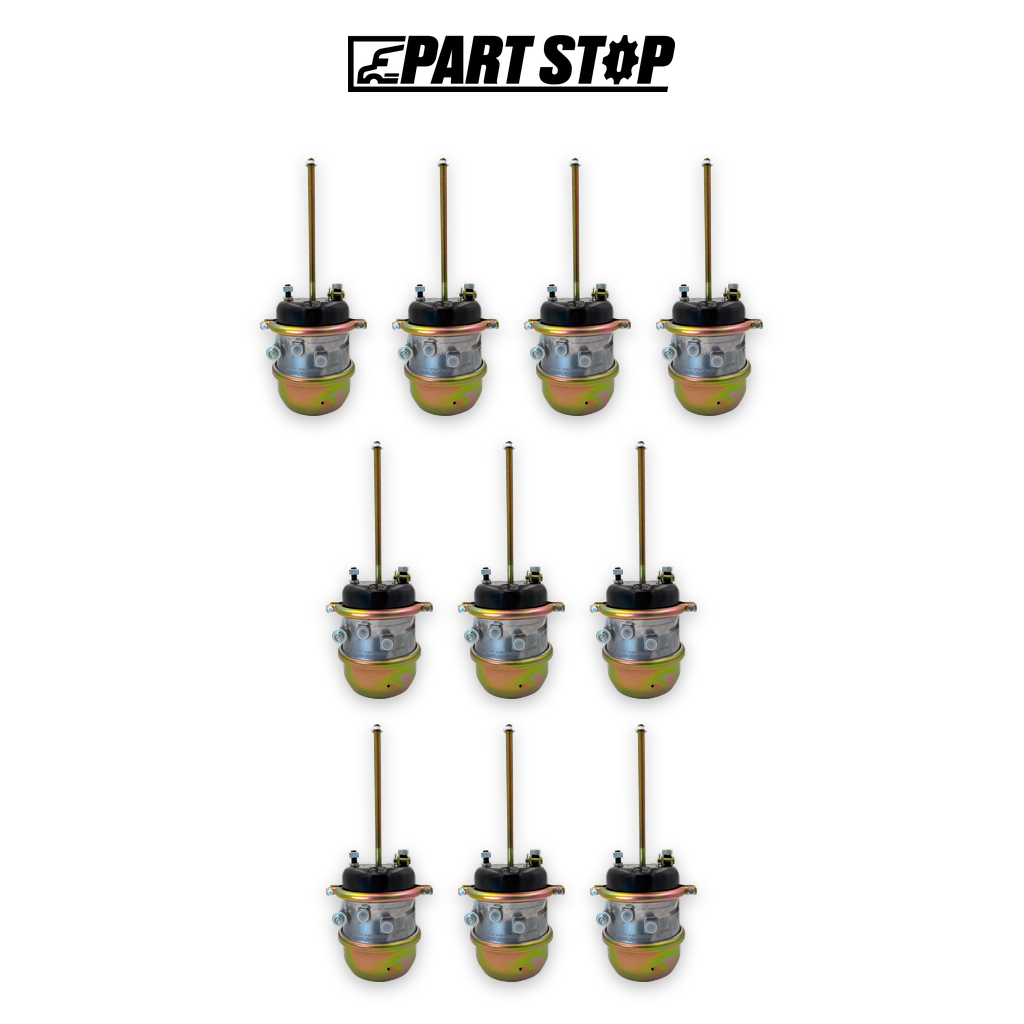
Buy the 10-PackSave 25%
T3030SHRT 10-Pack Air Brake Chamber Short Stroke for Freightliner FL112
$414.86$532.00
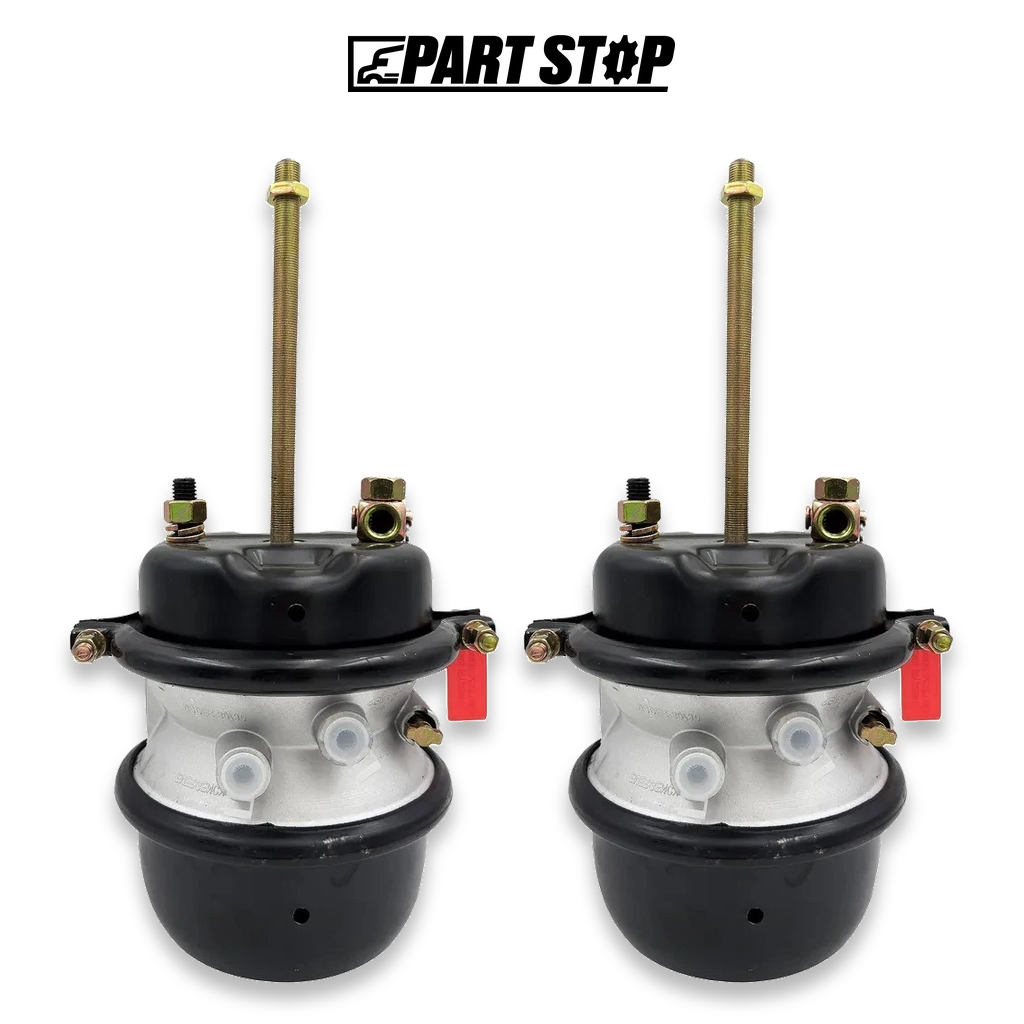
Buy the 2-PackSave 15%
T3030DD 2-Pack Bendix/Haldex Air Brake Chamber for Paccar Volvo Truck
$140.99$159.99
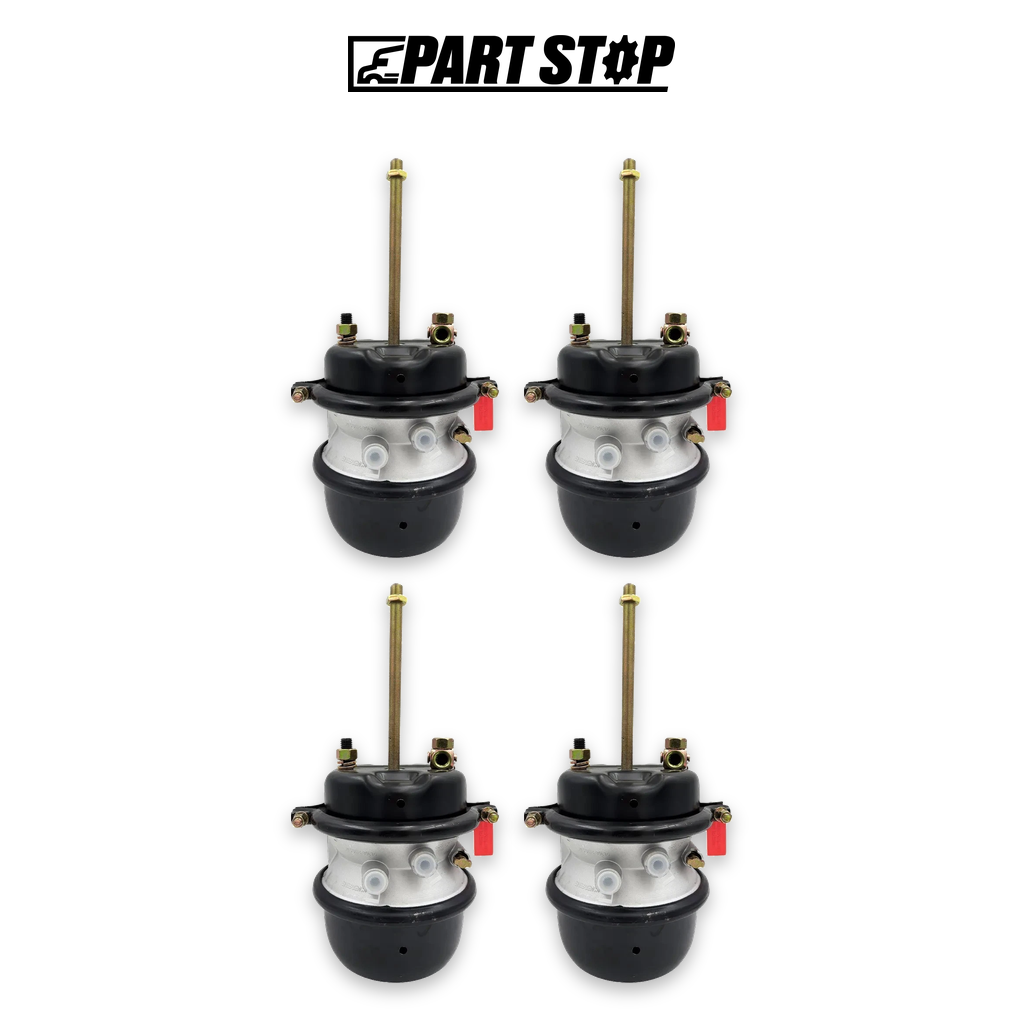
Buy the 4-PackSave 20%
T3030DD 4-Pack Bendix/Haldex Air Brake Chamber for Paccar Volvo Truck
$266.99$319.99
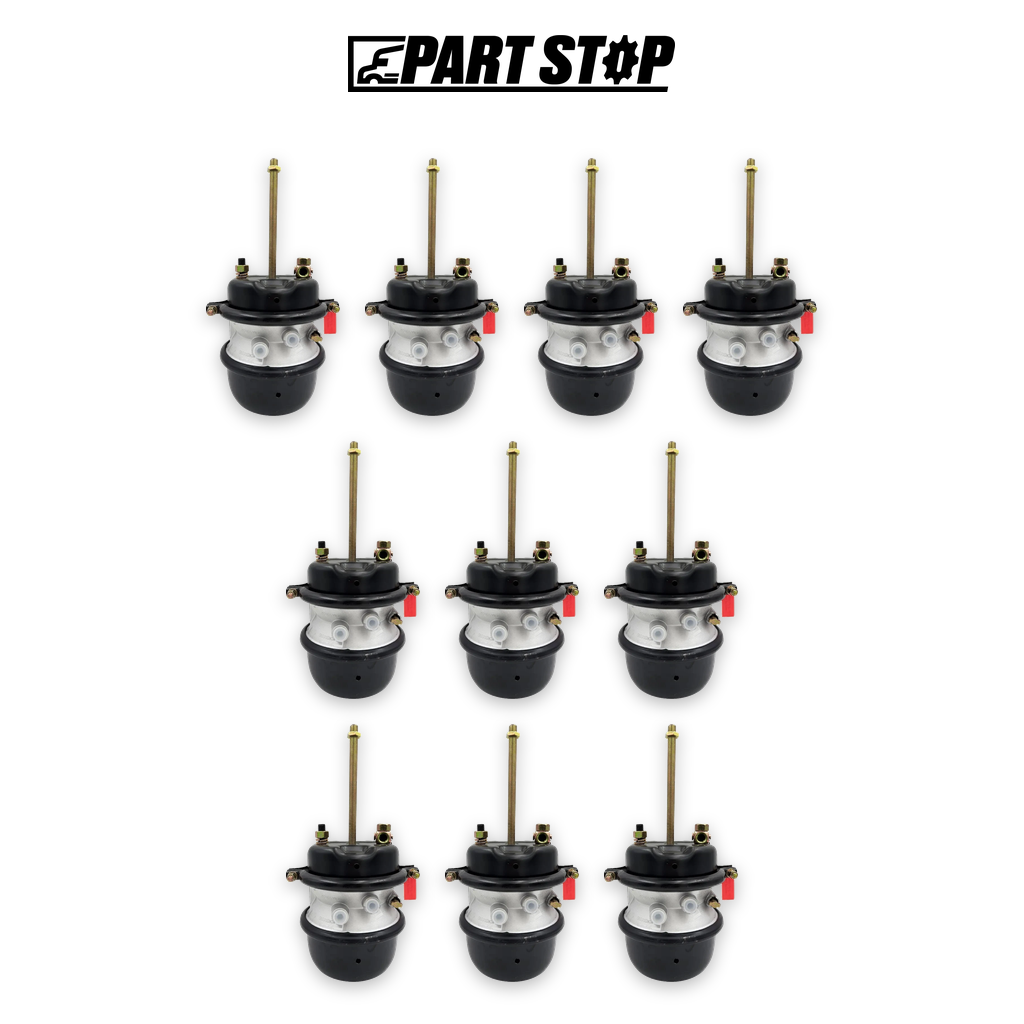
Buy the 10-PackSave 25%
T3030DD 10-Pack Bendix/Haldex Air Brake Chamber for Paccar Volvo Truck
$413.99$447.99
Shop related parts
Premium-quality aftermarket direct replacements — nationwide same-day shipping, 6+ month warranty.
Need the part, not just the reading?
Every part below is a Premium Quality aftermarket Direct Replacement with published OEM cross-reference numbers, a 6+ month warranty and same-business-day shipping from Tacoma, WA. Not sure it fits? Run your VIN — or call and a person who knows trucks will verify fitment before you pay.